What Does It Cost to Delay a Foundation Repair?
September 6, 2026
Introduction
A hairline crack in a foundation wall rarely feels like an emergency. It's easy to tell yourself you'll deal with it next season, once the budget loosens up, or after a bigger house project wraps.
But foundations don't wait on your schedule. In Charlotte, NC, where expansive clay soils shift with every wet and dry cycle, a small settling crack left unaddressed for a year can turn into a five-figure repair.
The real cost of delaying foundation repair isn't just the extra dollars. It's the compounding damage that spreads to floors, walls, plumbing, and eventually the resale value of the home itself.
Foundations move slowly, which is exactly what makes delay so deceptive. A crack that measures an eighth of an inch this spring might widen to a quarter inch by fall, and that widening is a sign the soil beneath the footing is still shifting or that water has found a way in.
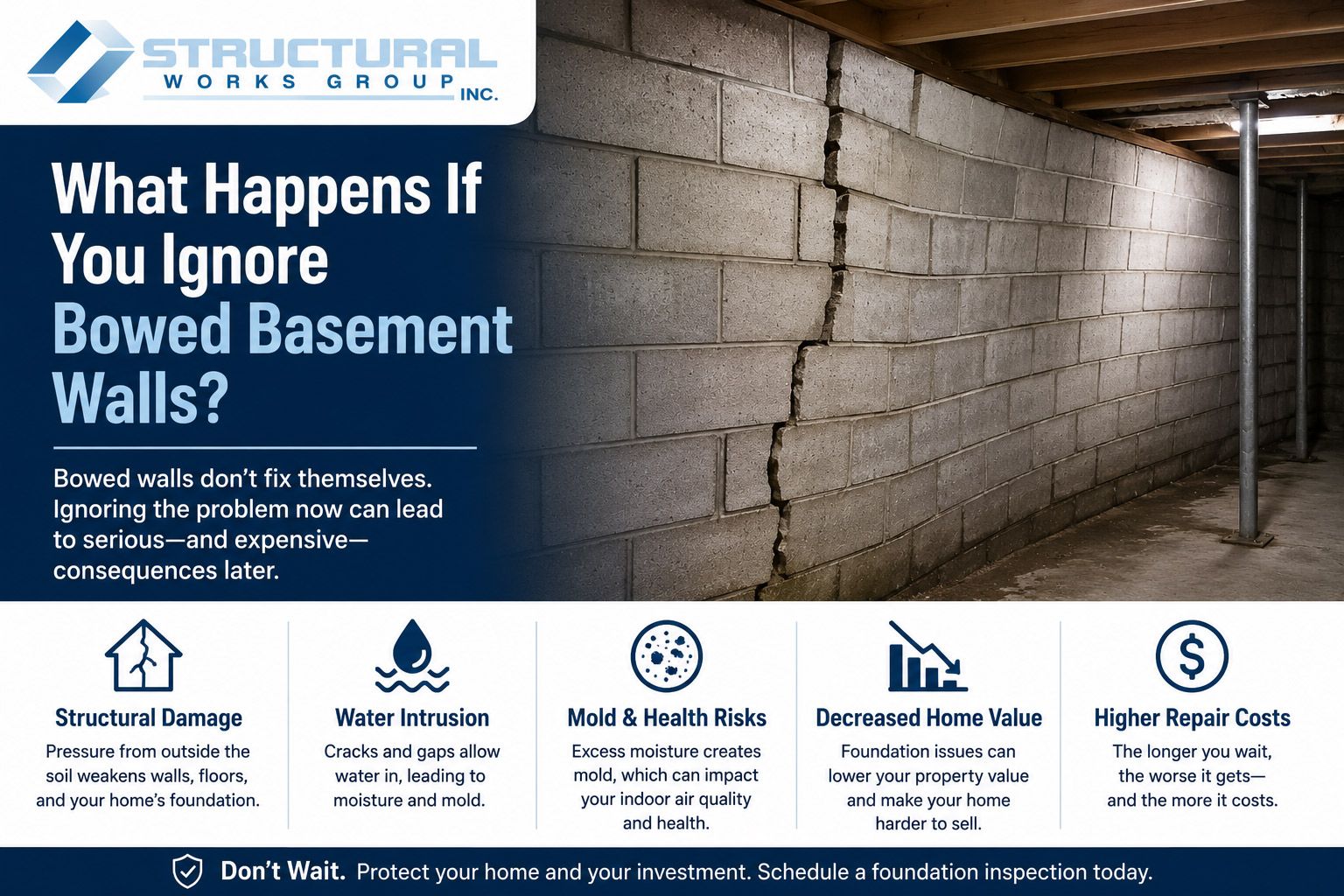
Once water finds a path through a foundation crack, it rarely stops at the concrete. It travels into wood framing, insulation, and finished living space, creating damage that has everything to do with how long the crack sat unrepaired.
The Escalation Curve: How a Minor Issue Becomes a Major One
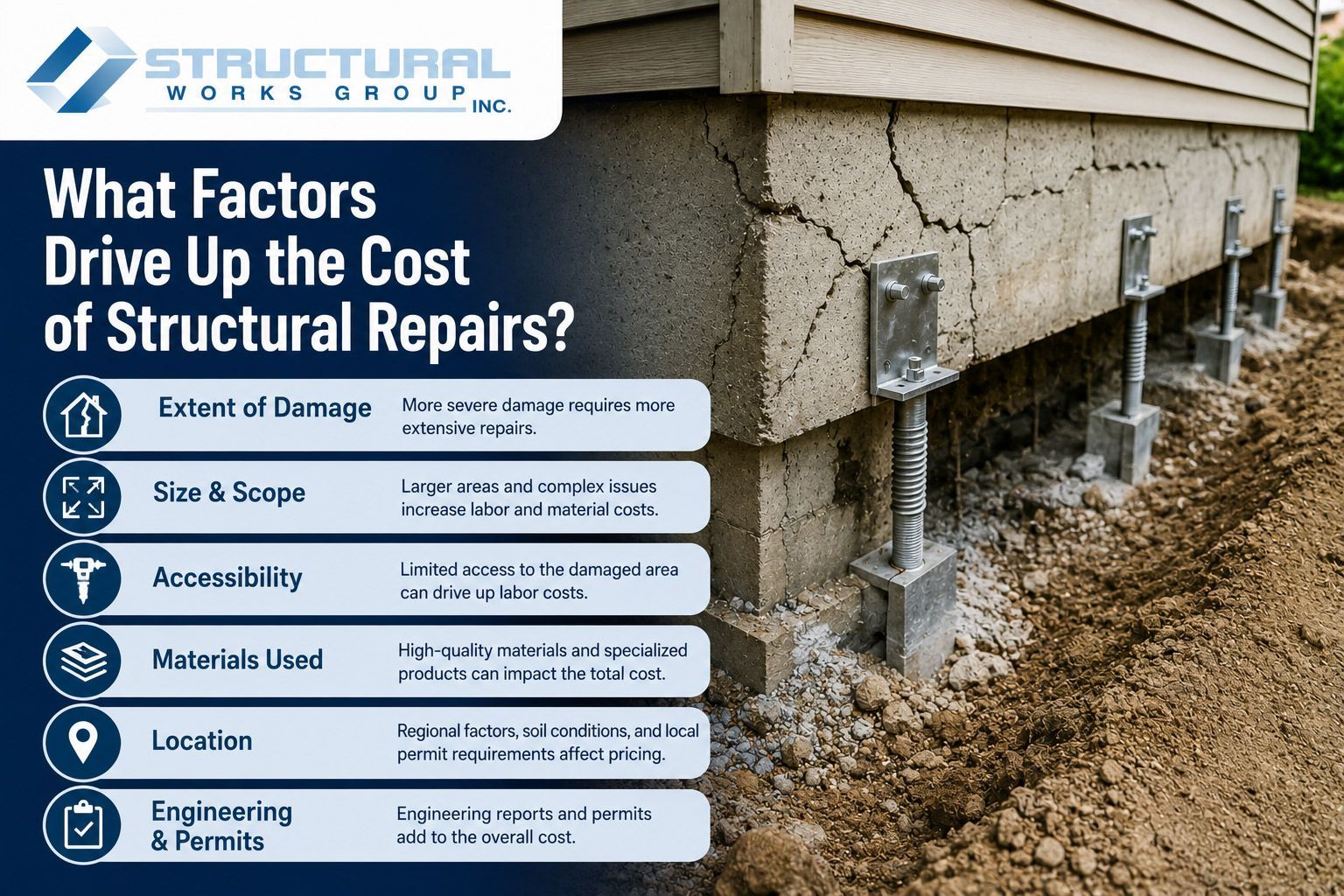
Structural damage rarely grows at a steady pace. It accelerates, and the stages below show how a repair typically grows in scope and cost the longer it's ignored.
- Zero to six months: a hairline crack or minor settling is often repairable with a single carbon fiber strap or sealant injection, the least expensive fix available.
- Six to eighteen months: water intrusion begins, and the crack widens enough to require wall anchors or additional reinforcement, roughly doubling material costs.
- Eighteen months to three years: adjacent framing, subfloor, or drywall shows secondary damage, adding carpentry and finish work to what was once a purely structural repair
- Three-plus years: full pier systems, wall replacement, or major excavation may be needed, often costing five to ten times the original estimate.
Hidden Costs Beyond the Repair Bill
The repair itself is rarely the only expense that shows up once a foundation problem has been left alone. A delayed repair tends to drag several other costs along with it.
- Mold remediation, if moisture has been entering through the crack for an extended period.
- Flooring and drywall replacement in areas affected by shifting or water damage.
- Plumbing repairs, since misaligned or burst pipes are a common side effect of foundation movement.
- Reduced appraisal and resale value if the issue surfaces during a future home inspection.
How Charlotte, NC Soil and Climate Accelerate Delay Costs
The Piedmont region's red clay soil is notorious among structural contractors for a reason: it swells dramatically when it absorbs water and shrinks just as dramatically when it dries out.
In Charlotte, NC, that swing happens multiple times a year, and each cycle pushes and pulls on a foundation that's already under stress. Homes on sloped lots or with poor grading see this effect even more, since water tends to pool against the foundation instead of draining away.
A foundation issue that might stay stable for years in a drier climate can progress noticeably within a single Charlotte, NC rainy season, which is part of why local contractors discourage a wait-and-see approach.
Homes built before modern grading standards were common are especially exposed to this cycle, since older lots in Charlotte, NC were rarely engineered with the same drainage slope away from the foundation that newer construction requires.
The Real Cost of Wait and See
When you add together the accelerating repair scope, the secondary damage to finishes and systems, and the risk to resale value, delaying a foundation repair is rarely a cost-saving decision. It's a cost-deferring one.
A homeowner who acts on a small crack today typically spends a fraction of what a homeowner facing the same issue three years later will pay, and avoids tearing out finished space to reach the damage.
There's also a quieter cost homeowners in Charlotte, NC rarely factor in: the stress of watching a door stick a little more each month, or noticing a new hairline crack every time you pass the same corner of the basement.
Acting early doesn't just limit the physical scope of damage. It also gives you more control over scheduling, contractor selection, and financing, instead of facing an urgent repair with fewer choices available.
Material costs and contractor availability also shift over time, and a project that could be scheduled quickly today may face a longer wait a year from now simply due to rising demand for structural repair across the region.
Common Triggers That Start the Delay Clock
Delay doesn't always come from ignoring an obvious problem. It often starts quietly, for reasons that feel reasonable in the moment.
- Assuming a small crack is just normal settling that every older home experiences.
- Waiting for a bigger renovation project to bundle the repair with other work.
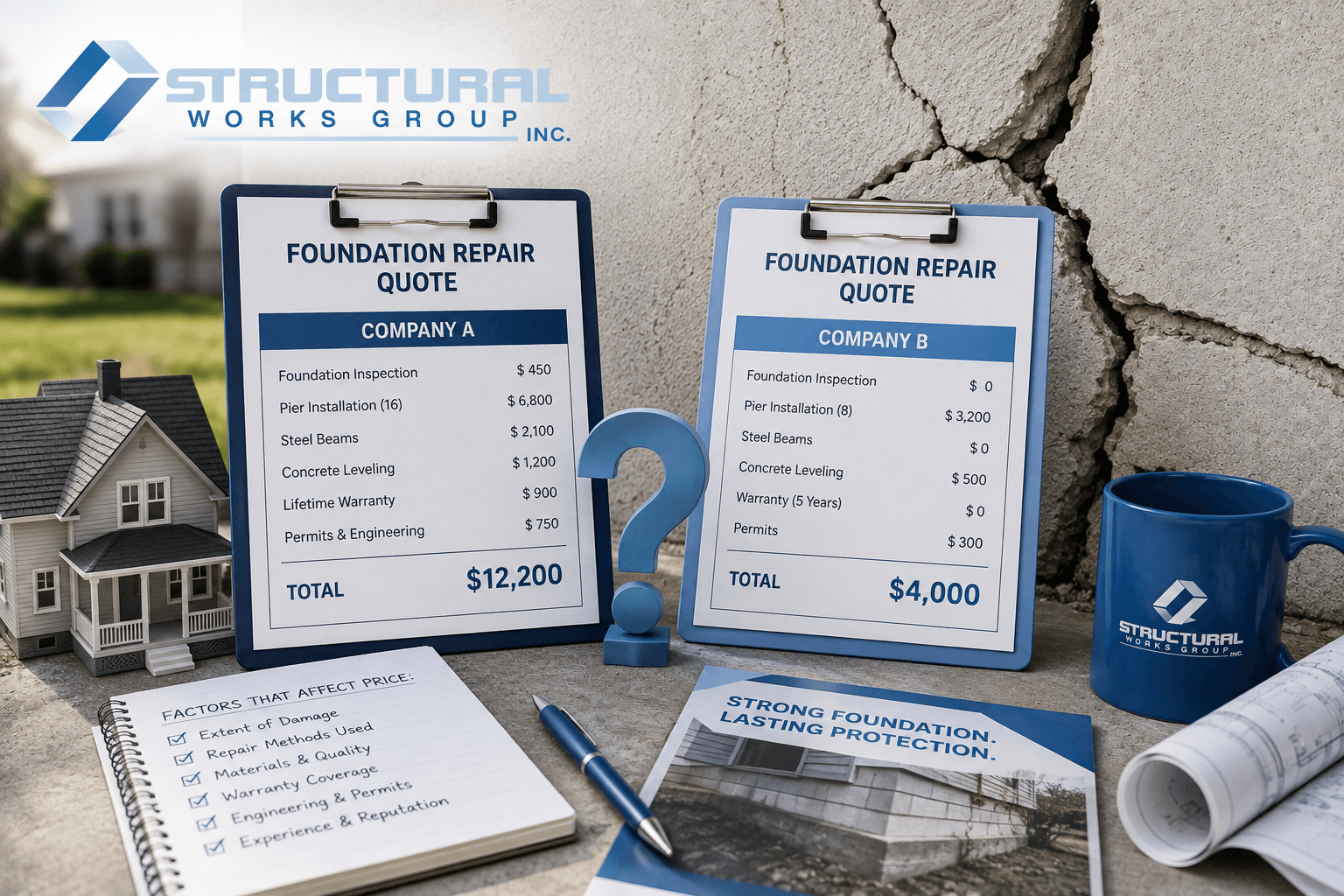
- Getting one high estimate and pausing the search instead of comparing options.
- Not realizing a sticking door or uneven floor is connected to the foundation at all.
Frequently Asked Questions
How long can I safely wait after noticing a foundation crack?
There's no universal safe window, since it depends on the crack's size, location, and whether water is entering. Any crack wider than an eighth of an inch, or one that's actively growing, should be evaluated within a few weeks rather than left through another season.
Does homeowners insurance cover damage caused by delaying a repair?
Typically not. Most policies exclude damage that results from gradual settling, wear, or a known issue the homeowner failed to address, which is one more reason early repair matters.
Will delaying repair void a manufacturer or contractor warranty?
It can. Many structural repair warranties require prompt reporting of new issues, and letting a related problem worsen without notifying the contractor may affect coverage on connected work.
Can I get a professional opinion before committing to a full repair?
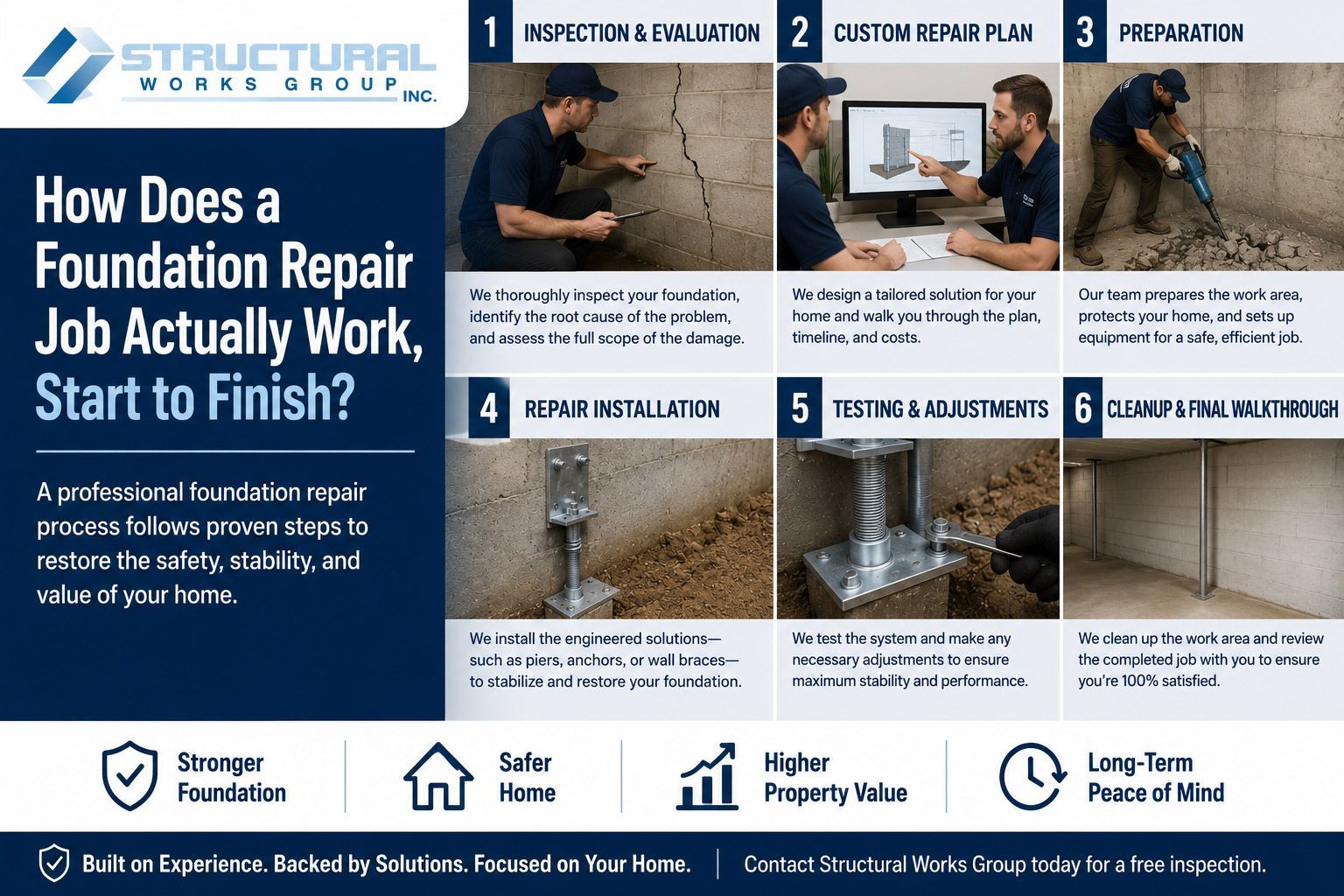
Yes. A written evaluation and estimate lets you understand the scope and urgency of the issue without obligating you to any specific repair method or timeline.
Does an unresolved foundation issue affect my ability to refinance?
It can. Many lenders require a clear inspection or an engineer's letter before approving a refinance if a known structural issue appears in property records or a recent appraisal.
Conclusion
Foundation problems are one of the few home repairs that reliably get more expensive the longer they wait, and Charlotte, NC's soil and climate make that timeline shorter than homeowners often expect.
Recognizing the early triggers, understanding the escalation curve, and getting a professional opinion sooner rather than later are the most reliable ways to keep a foundation repair simple, affordable, and on your own terms.
Structural Works Group offers a free foundation evaluation and estimate so you can understand exactly what you're dealing with before it grows into something bigger. If you've noticed a crack, a sticking door, or an uneven floor, call
980-522-7581 to get ahead of it while the fix is still simple.