Foundation Repair vs Replacement: Which One Do You Actually Need?
May 31, 2026
When a contractor tells you your foundation has a serious problem, your mind immediately goes to worst-case scenarios. Does this mean the whole thing needs to come out? Are you looking at a repair that patches over the issue, or a full replacement that actually solves it? The distinction between foundation repair and foundation replacement is one of the most consequential decisions a homeowner can face, and unfortunately, it is also one of the most misunderstood. Getting the right answer depends on an accurate assessment of the damage type, severity, and underlying cause — not on a general rule of thumb. This guide walks through what separates a repairable foundation from one that genuinely needs replacement, so you can approach this decision with clarity.
What Foundation Repair Actually Involves
Foundation repair is not a single technique — it is a collection of targeted methods applied to specific types of damage. When a foundation is structurally sound overall but has localized or correctable problems, repair is usually the appropriate and cost-effective solution. Common repair methods include:
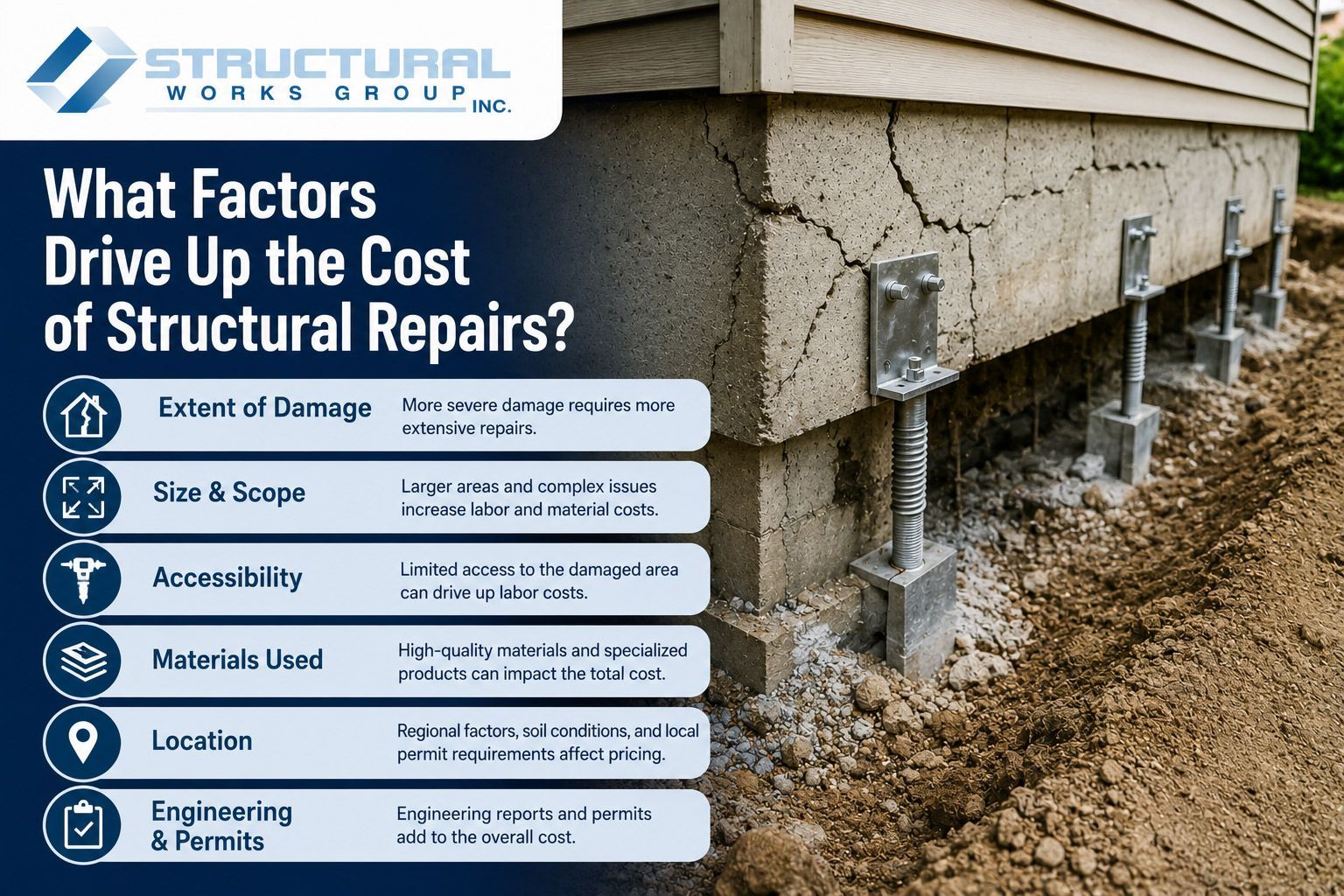
- Piering and underpinning — steel piers or helical piers are driven deep into stable soil to lift and stabilize a settling foundation
- Wall anchors and carbon fiber straps — used to stabilize bowing or inward-leaning basement walls without excavation
- Crack injection — epoxy or polyurethane is injected into cracks to restore structural integrity and prevent water infiltration
- Slabjacking or foam lifting — injecting material beneath a sunken concrete slab to raise it back to grade
- Drainage correction — addressing the root cause of hydrostatic pressure that is causing wall movement or cracking
In Charlotte, NC and the surrounding Piedmont region, piering and wall anchors are among the most frequently used repair methods because of how common soil-related settling and water pressure are in this area. These techniques are well-established, carry strong track records, and in most cases, provide a permanent solution when the underlying soil or drainage issue is also addressed.
When Replacement Becomes Necessary
True foundation replacement — removing and rebuilding the foundation entirely — is reserved for situations where the existing structure can no longer be reliably stabilized or repaired. This is genuinely uncommon, but it does occur. The scenarios that most often warrant replacement include:
- Widespread, severe cracking that has compromised the entire foundation structure rather than isolated sections
- Advanced deterioration of the foundation material itself — particularly in very old poured concrete or stone foundations that have lost structural integrity throughout
- Catastrophic failure or collapse of a significant section of the foundation
- Chronic, recurring failure after multiple repair attempts have not held over time
- Situations where building code compliance requires a full rebuild to bring the property up to current standards
For most homeowners in Charlotte, NC, replacement is not the outcome. It tends to apply to older homes — those built before World War II — with original stone or brick foundations, or to properties where severe neglect has allowed damage to progress unchecked for many years. A modern poured concrete foundation with localized damage is almost always a repair candidate.
How Professionals Assess the Decision
A qualified structural engineer or experienced foundation contractor evaluates several factors before recommending repair versus replacement. The assessment is not purely visual — it involves understanding what is happening beneath the surface:
- Damage mapping — identifying every crack, bow, lean, or settlement point and noting its location, direction, width, and whether it is active or dormant
- Soil analysis — understanding the soil type and behavior beneath the foundation, since clay-heavy soils in the Carolinas behave very differently than sandy or loam-based soils
- Water and drainage assessment — identifying whether hydrostatic pressure, poor grading, or groundwater is contributing to the damage
- Structural load review — evaluating whether the foundation is adequately supporting the loads above it or whether settling has shifted load distribution
- Historical comparison — reviewing whether previous repairs have been attempted and how the foundation has responded over time
This thorough process is what separates a trustworthy recommendation from a surface-level guess. In Charlotte, NC, homeowners should be cautious of any contractor who recommends full foundation replacement without first conducting this type of methodical assessment.
Side-by-Side: Repair vs. Replacement at a Glance
The following comparison summarizes the key differences between foundation repair and replacement across the most important decision factors:
| Factor | Foundation Repair | Foundation Replacement |
|---|---|---|
| Typical Cost | $3,000 – $15,000+ | $30,000 – $100,000+ |
| Project Duration | 1–5 days | 2–6 weeks |
| When Appropriate | Localized or correctable damage | Widespread failure or irreparable deterioration |
| Disruption to Home | Minimal to moderate | Major — home may need temporary support |
| Permanence | Long-lasting with proper methods | Complete reset of foundation structure |
| Frequency in Practice | Very common | Rare |
Frequently Asked Questions
Can a repaired foundation last as long as an original one?
Yes, when the repair method is appropriate for the type of damage and the underlying cause is also addressed. Steel pier systems, for example, carry lifetime transferable warranties from many manufacturers. A foundation repair that simply patches cosmetic cracks without addressing soil movement or water pressure, however, is not likely to hold long-term.
Is foundation replacement covered by homeowners insurance?
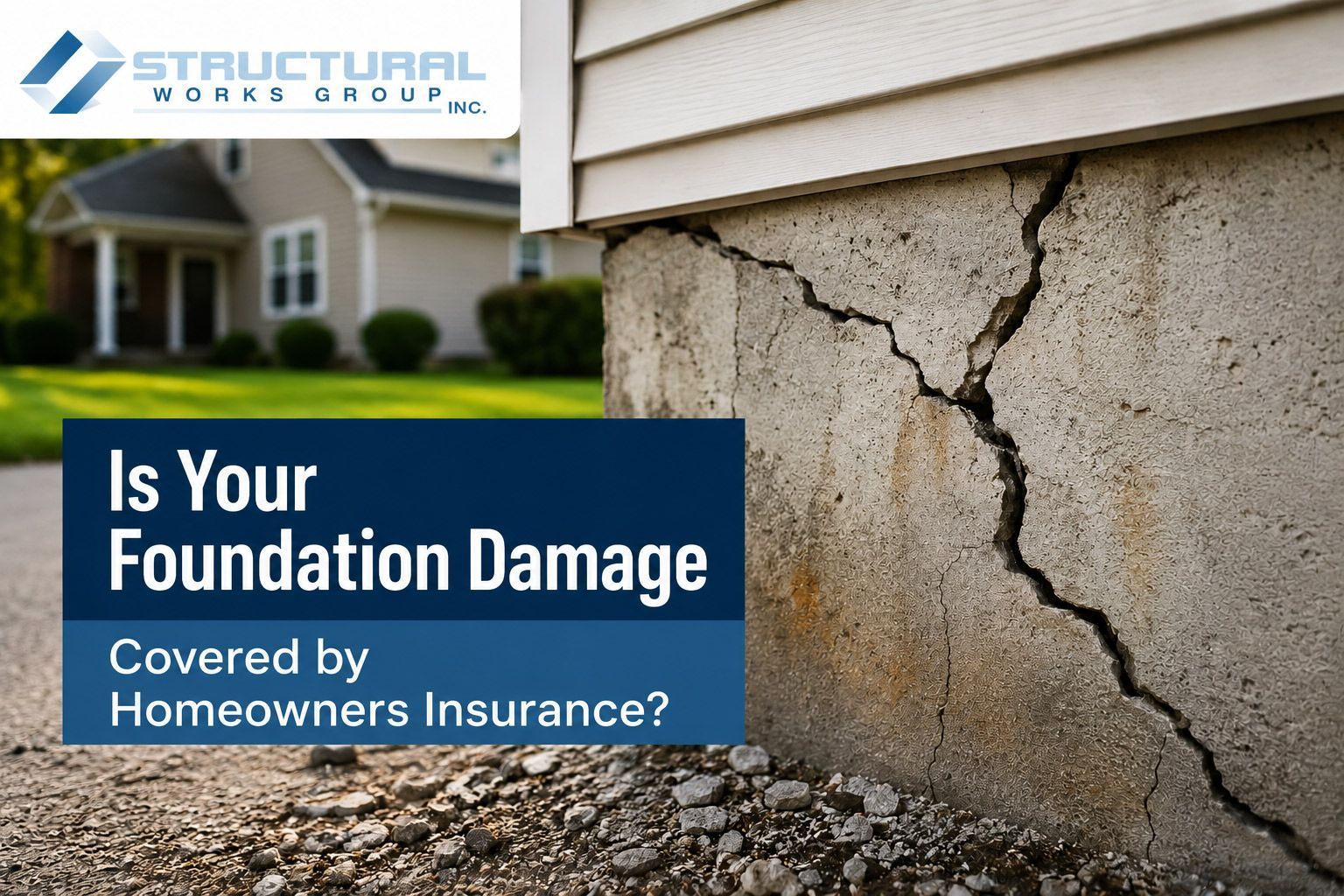
This depends entirely on the cause of the failure. Replacement caused by a sudden covered event — like a plumbing burst that erodes the soil beneath your foundation — may be partially covered. Replacement due to gradual deterioration, poor soil, or lack of maintenance is typically excluded. An independent structural assessment and documentation of the cause are essential before filing any claim.
Can I sell a home that has had foundation repair?
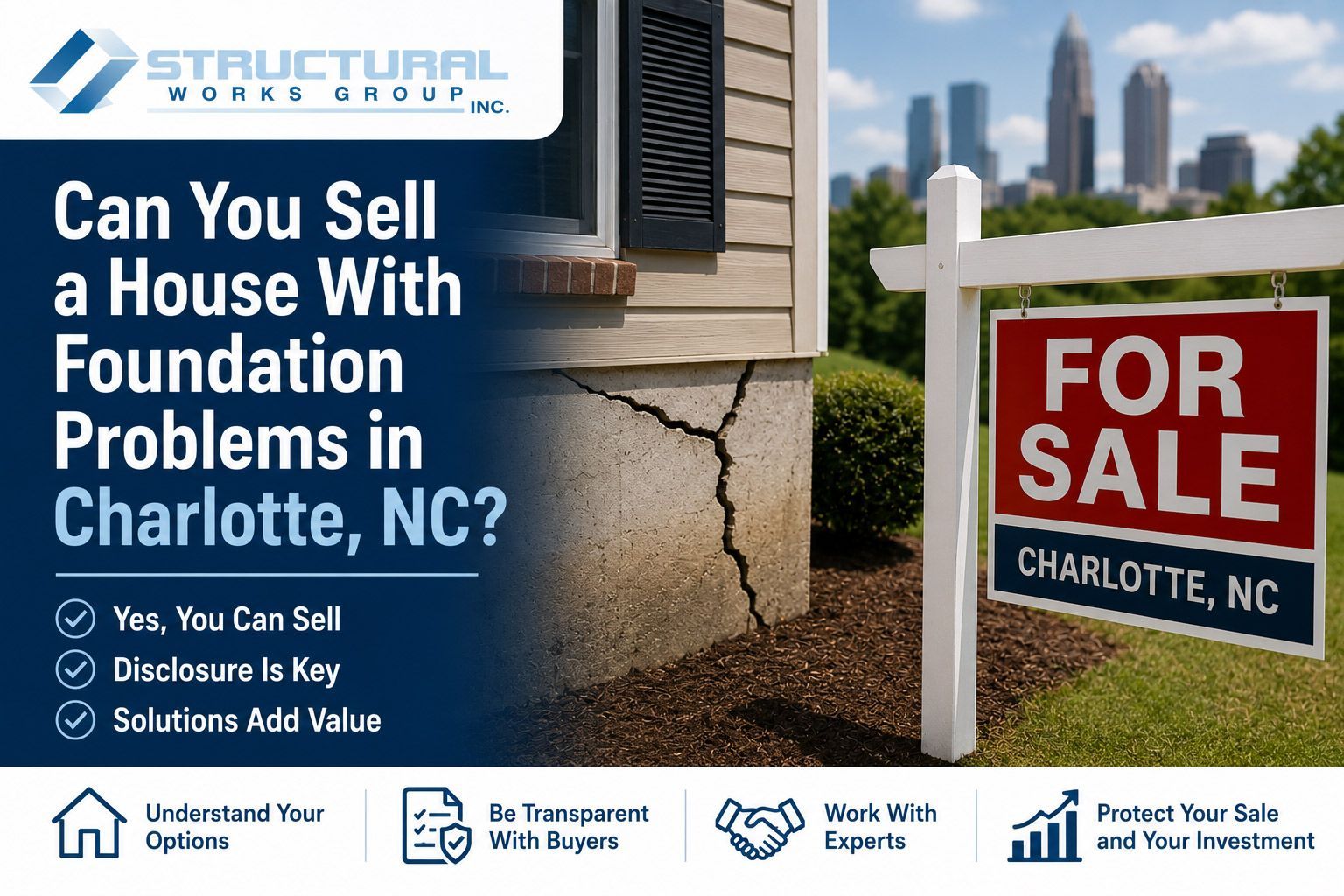
Yes, and often with full disclosure requirements satisfied. Many buyers are more comfortable purchasing a home with a documented, warranted foundation repair than one with unaddressed structural concerns. Transferable warranties from reputable contractors add value and reduce buyer anxiety during the inspection and negotiation process.
How do I know if a contractor is recommending replacement to upsell me?
Ask for a written structural assessment that documents specific evidence for why repair is insufficient. A reputable contractor should be able to point to precise damage indicators that make repair impractical. If you are uncertain, getting a second opinion from an independent structural engineer — not affiliated with any repair company — is always a wise investment.
What happens if I repair only part of the foundation?
Partial repairs can be appropriate when only a section of the foundation is affected and the remainder is in good condition. However, if underlying issues like soil movement or drainage problems are not corrected, the unrepaired sections may develop damage over time. A comprehensive plan that addresses both the structural symptoms and their root causes is always preferable to a piecemeal approach.
Conclusion
For the vast majority of homeowners, foundation repair — not replacement — is the correct solution. Modern repair techniques are highly effective, long-lasting, and far less disruptive and expensive than full reconstruction. The key is getting an accurate, honest assessment from a qualified professional who can distinguish between damage that can be corrected and damage that genuinely requires rebuilding. Structural Works Group has been helping homeowners throughout Charlotte, NC navigate this decision with transparency and expertise. If you have concerns about your foundation, call us at
980-522-7581 for a free evaluation and a recommendation you can trust.