How Much Does Crawlspace Remediation Cost in the Carolinas?
May 25, 2026
Moisture problems in a crawlspace rarely stay quiet. A damp crawlspace almost always leads to bigger issues — wood rot, mold growth, pest infestations, and in serious cases, structural damage to the joists and beams that support your home's floors. When homeowners in the Carolinas start noticing musty smells, sagging floors, or higher-than-expected energy bills, the crawlspace is often the root cause. The next question is always the same: what is this going to cost? The honest answer is that crawlspace remediation cost varies considerably depending on the size of the space, the severity of the problem, and which solutions are needed. This guide breaks down what you should expect to pay and why.
The Wide Range: Why Crawlspace Costs Vary So Much
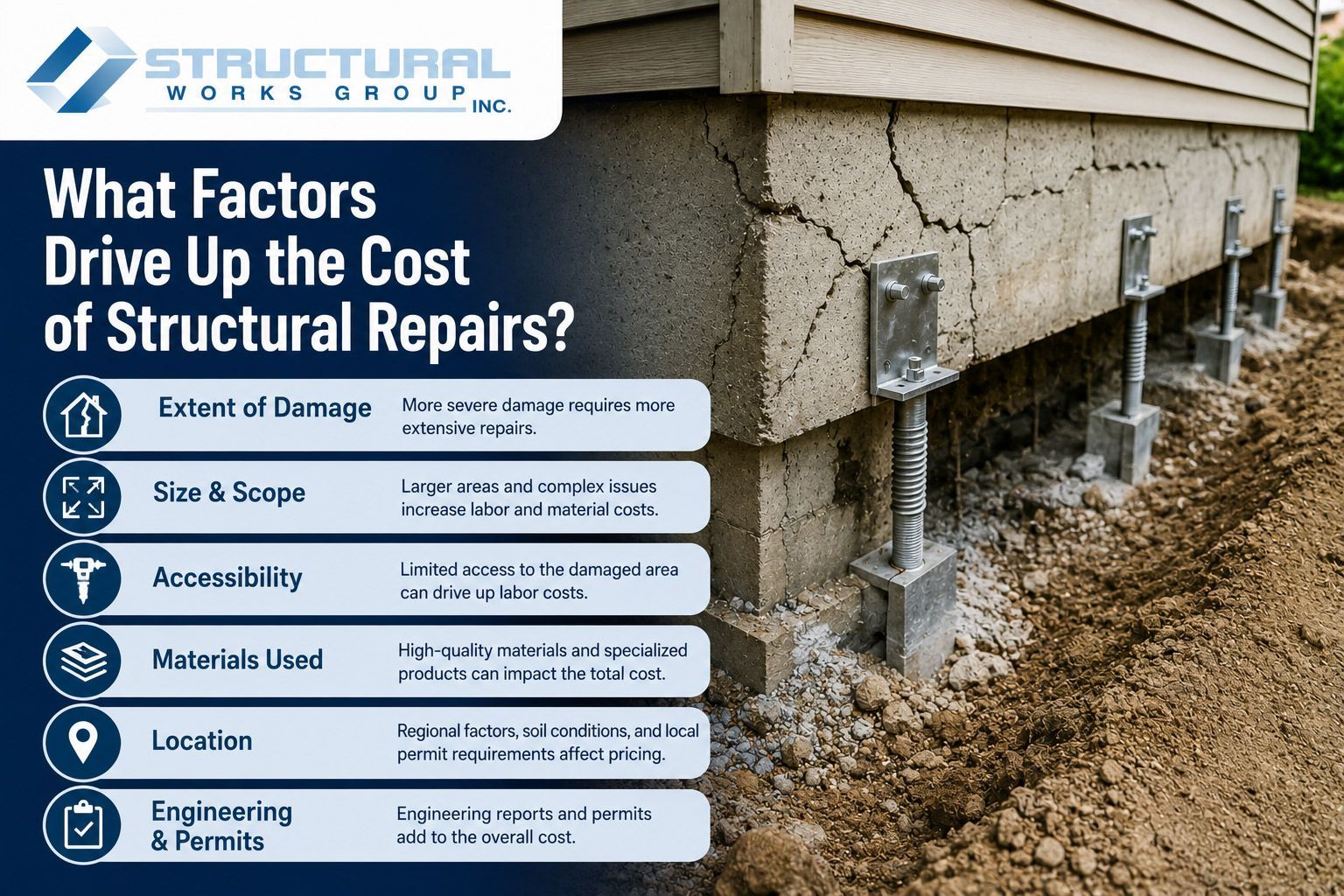
Crawlspace remediation is not a single service — it is a category of related repairs and improvements, and homeowners often need more than one of them at the same time. In Charlotte, NC and throughout the Carolinas, costs can range from under a thousand dollars for a basic vapor barrier installation to well over fifteen thousand dollars for a full encapsulation system combined with structural repairs and a commercial-grade dehumidifier. Several factors determine where your project lands within that range:
- The square footage of your crawlspace — larger spaces require more material and more labor hours
- The moisture level and extent of existing damage — active mold or wood rot requires remediation before other work can begin
- Whether existing insulation needs removal and replacement
- The type of vapor barrier or encapsulation system selected
- Whether a sump pump or dehumidifier is required to maintain dryness long-term
- Accessibility — tight or low-clearance crawlspaces take longer to work in and increase labor costs
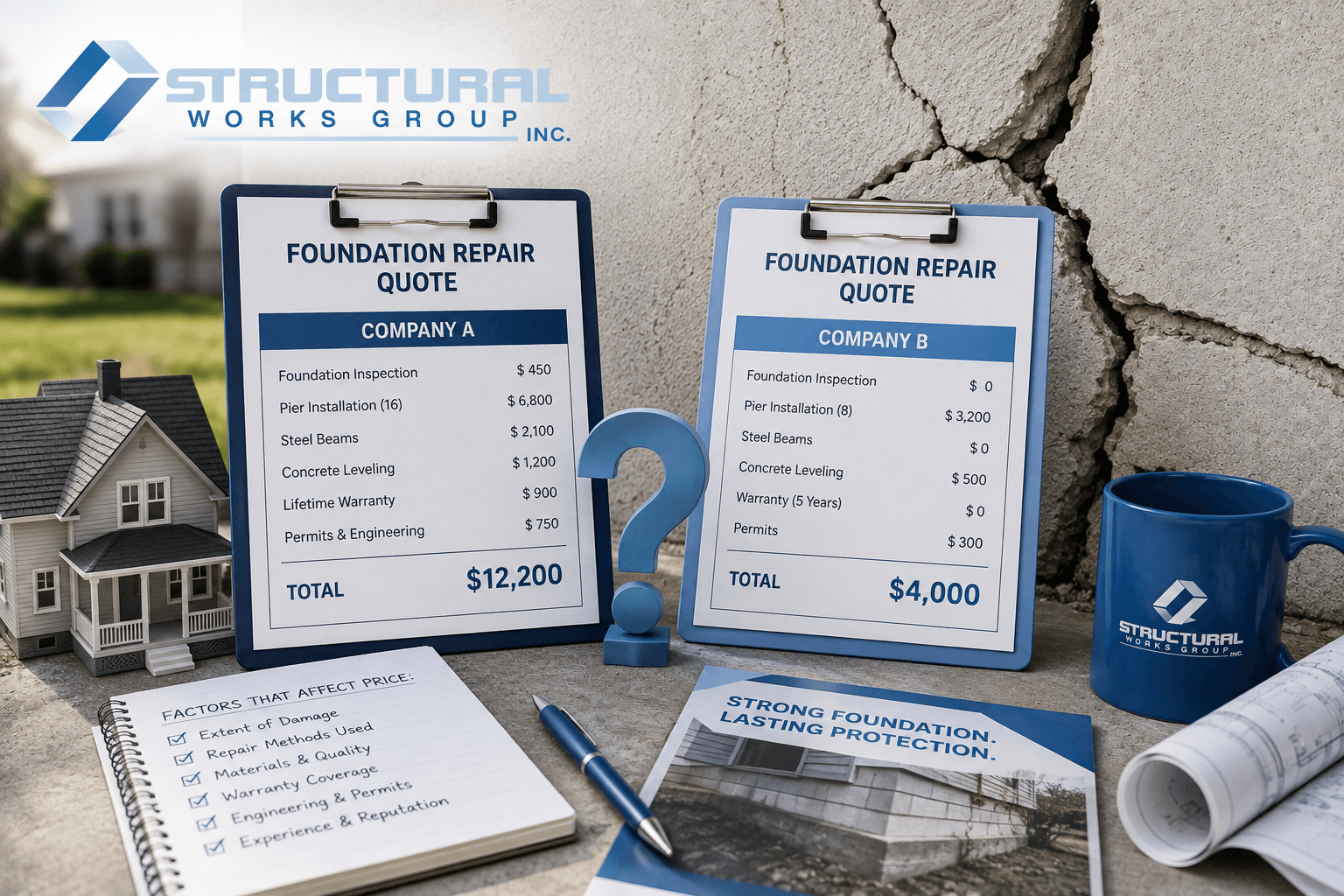
Homeowners across Charlotte, NC and the broader Carolinas region should be cautious of any quote that does not account for all of these variables. A low initial bid that omits necessary components often results in a higher total cost once the work is underway and the full scope becomes clear.
Typical Cost Ranges by Service Type
Understanding individual cost components helps you evaluate quotes and plan your budget. The following ranges reflect common pricing for crawlspace remediation services across the Carolinas:
- Vapor barrier installation (basic 6-mil poly): $1,200 – $3,500 depending on square footage
- Full crawlspace encapsulation (20-mil reinforced liner, sealed walls and floor): $5,000 – $12,000+
- Mold remediation: $1,500 – $4,500 depending on extent of growth and affected materials
- Crawlspace dehumidifier installation: $1,200 – $2,500 for a commercial-grade unit with drainage
- Insulation removal and replacement: $1,000 – $3,000
- Structural wood repair (rotted joists or beams): $1,500 – $6,000+ depending on the damage
- Sump pump installation: $800 – $2,500
Many projects combine several of these services. A comprehensive crawlspace remediation for an average 1,500-square-foot home in Charlotte, NC with moderate moisture damage and no major structural issues might run between $6,000 and $10,000 when encapsulation, a dehumidifier, and insulation replacement are all included.
What Drives Costs Higher in the Carolinas
The Carolinas present specific environmental conditions that affect both the severity of crawlspace problems and the cost of fixing them. High humidity throughout spring and summer creates ideal conditions for mold growth and wood rot. Clay-heavy soils common in the Piedmont region retain moisture and swell during rain, increasing ground-level vapor pressure beneath homes. Homeowners in Charlotte, NC and surrounding communities often discover that their crawlspace problems are more advanced than they appeared on the surface because of how aggressively moisture accumulates in this climate. When a contractor uncovers rotted wood or active mold that was not visible during an initial inspection, the scope of work — and the cost — expands accordingly. This is not a sign of dishonesty; it is the nature of working in a concealed, moisture-prone environment.
Is Crawlspace Encapsulation Worth the Investment?
Full encapsulation consistently delivers a strong return on investment for homeowners in the Carolinas, even though it carries the highest upfront cost. The benefits extend well beyond simply keeping the crawlspace dry. A properly encapsulated crawlspace can reduce whole-home energy bills by 15 to 25 percent by eliminating cold air infiltration in winter and humid air infiltration in summer. It removes the conditions that support mold and wood rot, protecting the structural integrity of your home over the long term. Many homeowners in Charlotte, NC also find that encapsulation increases their home's market value and makes it easier to pass home inspection during a sale. When you compare the cost of encapsulation against the cumulative cost of repeated moisture repairs, deferred structural damage, and elevated energy bills, encapsulation typically pays for itself within five to seven years.
Frequently Asked Questions
Does homeowners insurance cover crawlspace remediation?
Most standard homeowners policies exclude crawlspace moisture damage because it is considered a gradual condition rather than sudden damage from a covered peril. Some policies may cover remediation if the moisture resulted from a sudden plumbing failure or other covered event, but coverage for chronic humidity and vapor issues is rarely included. Check your specific policy and consult your agent.
How long does a crawlspace remediation project take?
A basic vapor barrier installation can be completed in one to two days. A full encapsulation with structural repairs, dehumidifier installation, and insulation replacement may take three to five days depending on the size and complexity of the space. Mold remediation, if needed, adds additional time and must be completed before encapsulation begins.
Will encapsulation eliminate pest problems in my crawlspace?
Encapsulation significantly reduces conditions that attract pests — moisture, mold, and rotting wood are primary draws for termites, ants, and rodents. While encapsulation alone is not a pest control treatment, it removes the conditions pests rely on and makes the crawlspace inhospitable for most common invaders. Many homeowners pair encapsulation with a pest inspection and treatment for comprehensive protection.
Can I do crawlspace remediation myself to save money?
Basic tasks like removing old insulation or laying a simple poly vapor barrier are within reach of determined DIYers. However, full encapsulation — especially when mold remediation, structural repairs, or mechanical systems are involved — requires professional equipment, training, and in some cases, licensing. Improper installation can void manufacturer warranties and fail to address the root moisture source, leading to recurring problems.
How do I know if my crawlspace needs remediation or just a dehumidifier?
A professional inspection is the most reliable way to assess what your crawlspace needs. Visible mold, rotting wood, sagging insulation, efflorescence on foundation walls, or standing water are all signs that more than a dehumidifier is necessary. A dehumidifier alone manages symptoms; remediation addresses the underlying moisture source and protects the structure.
Conclusion
Crawlspace remediation is one of the most impactful home improvement investments a homeowner in the Carolinas can make. While costs range widely based on scope and severity, understanding what drives those costs helps you make an informed decision and evaluate quotes accurately. Whether you are dealing with minor moisture concerns or significant wood rot and mold, acting before problems worsen will always be less expensive than waiting. Structural Works Group serves homeowners throughout Charlotte, NC and the surrounding Carolinas region with professional crawlspace inspections, remediation, and encapsulation services. Contact us today at
980-522-7581 for a free evaluation and a clear, honest estimate.