Are FHA Foundation Repairs More Expensive Than Standard Fixes?
August 30, 2026
If you are buying or selling a home with foundation issues and an FHA, VA, or HUD loan is involved, you have probably heard that government-backed financing comes with stricter property requirements. What you may not know is exactly how those requirements affect the cost and process of foundation repair — and whether the work is genuinely more expensive than what a conventional buyer would require. The short answer is: sometimes, but not always, and the reasons are more nuanced than most people realize. Understanding the specific requirements and how they affect your situation can help you plan and budget accurately whether you are a buyer, seller, or real estate professional.
What Makes FHA Foundation Requirements Different
The Federal Housing Administration does not technically have its own set of structural repair standards — what it has is an appraisal process. FHA-approved appraisers are required to flag any conditions that pose a threat to the health, safety, or structural integrity of the home. Foundation issues that an FHA appraiser will flag include:
- Evidence of settlement or differential movement — sloped floors, racked door frames, visible displacement
- Cracks indicating active structural movement — horizontal cracks in basement walls, step cracks in masonry, cracks with differential displacement
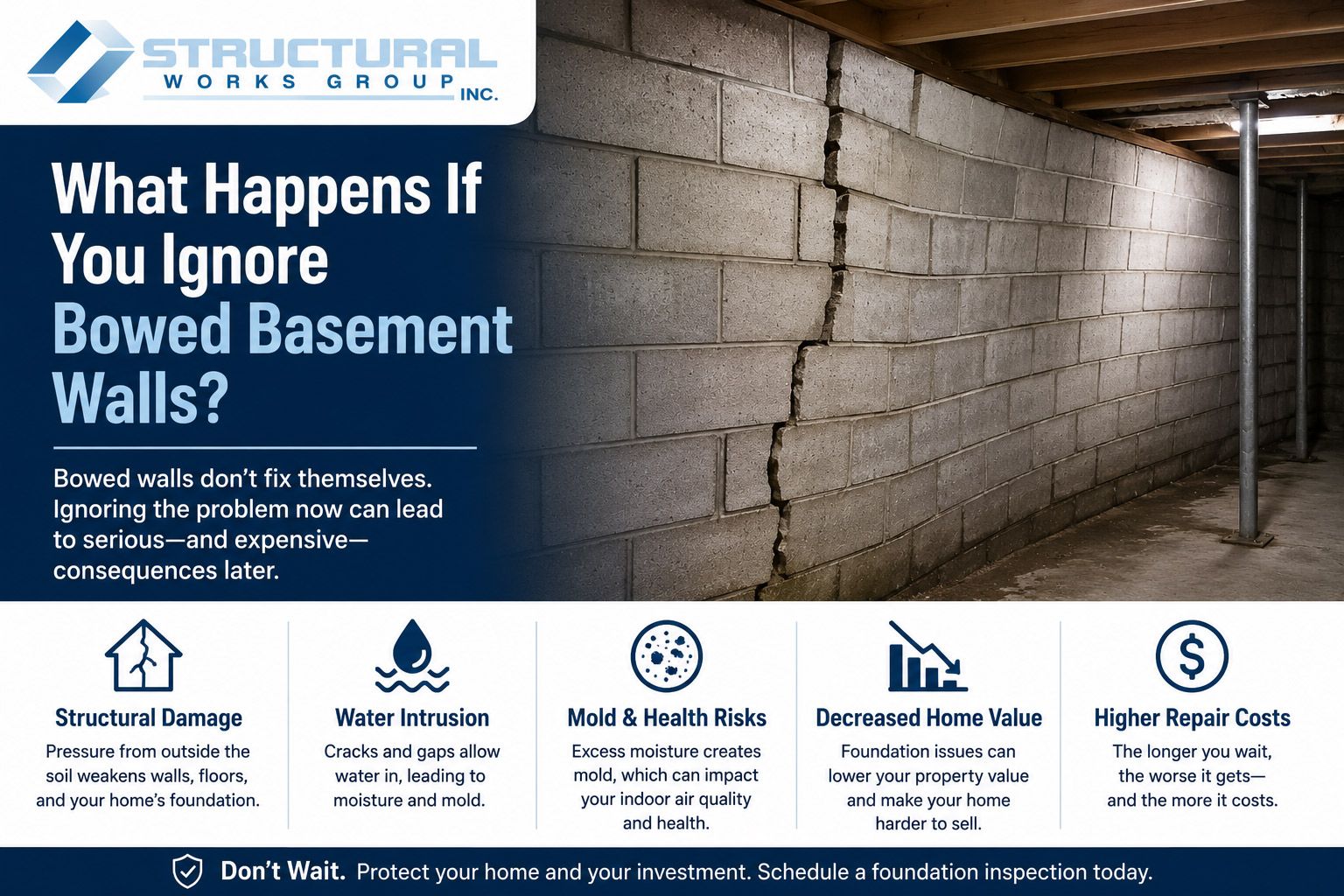
- Bowed or leaning foundation walls
- Evidence of water intrusion related to foundation failure
- Missing or deteriorated structural components that affect the foundation or load-bearing system
For homeowners and sellers in Charlotte, NC navigating FHA transactions, the key insight is that an FHA appraisal is more systematic about identifying structural conditions than a conventional appraisal. Cosmetic cracking that a conventional appraiser might note without requiring repair may be flagged as a required condition in an FHA appraisal, depending on the appraiser's assessment of its significance.
When FHA Repairs Cost the Same as Standard Repairs
In many cases, the foundation repair work required to satisfy an FHA appraisal condition is exactly the same work that a knowledgeable conventional buyer would require. If an FHA appraiser calls for stabilization of a bowing wall, the repair method — carbon fiber straps, wall anchors, or excavation and waterproofing — is determined by the damage type, not the loan program. The pier systems, wall anchors, and encapsulation products used for FHA repairs are the same products used in standard repairs. Material costs are identical. Labor costs are identical. If the repair scope called for by the FHA appraisal matches what the damage actually requires, there is no premium for FHA compliance. The repair simply costs what it costs.
In Charlotte, NC, where FHA loans are a meaningful portion of the residential transaction market, experienced structural repair contractors are thoroughly familiar with FHA documentation requirements. The completion certificate, engineer letter, or permit documentation that an FHA lender requires is part of standard professional practice — not an additional service tier that adds significant cost.
Where FHA Repairs Can Cost More
There are specific situations where FHA, VA, or HUD financing requirements genuinely increase the cost of foundation repair. These scenarios are worth understanding if you are planning around a government-backed transaction in Charlotte, NC or the Carolinas:
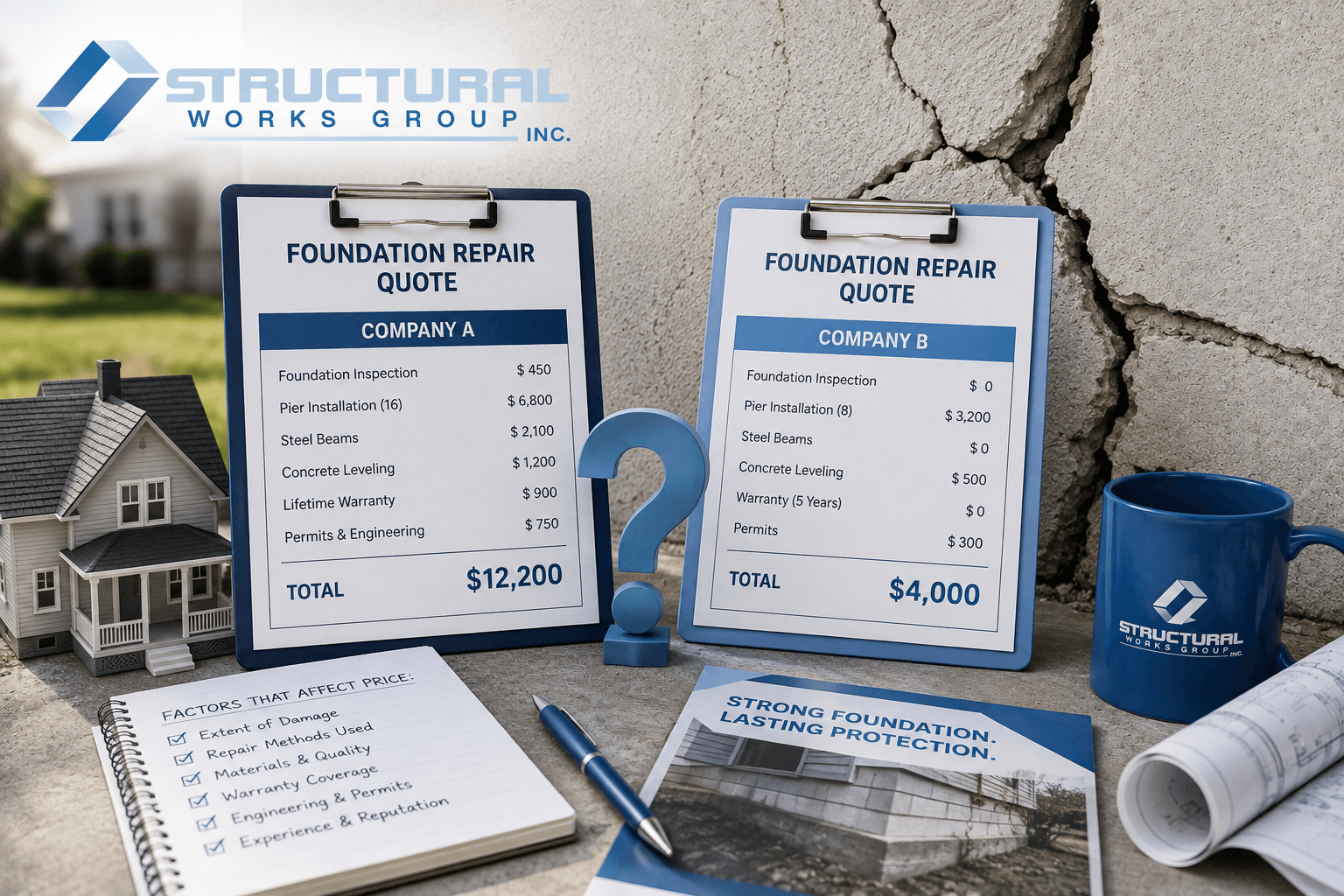
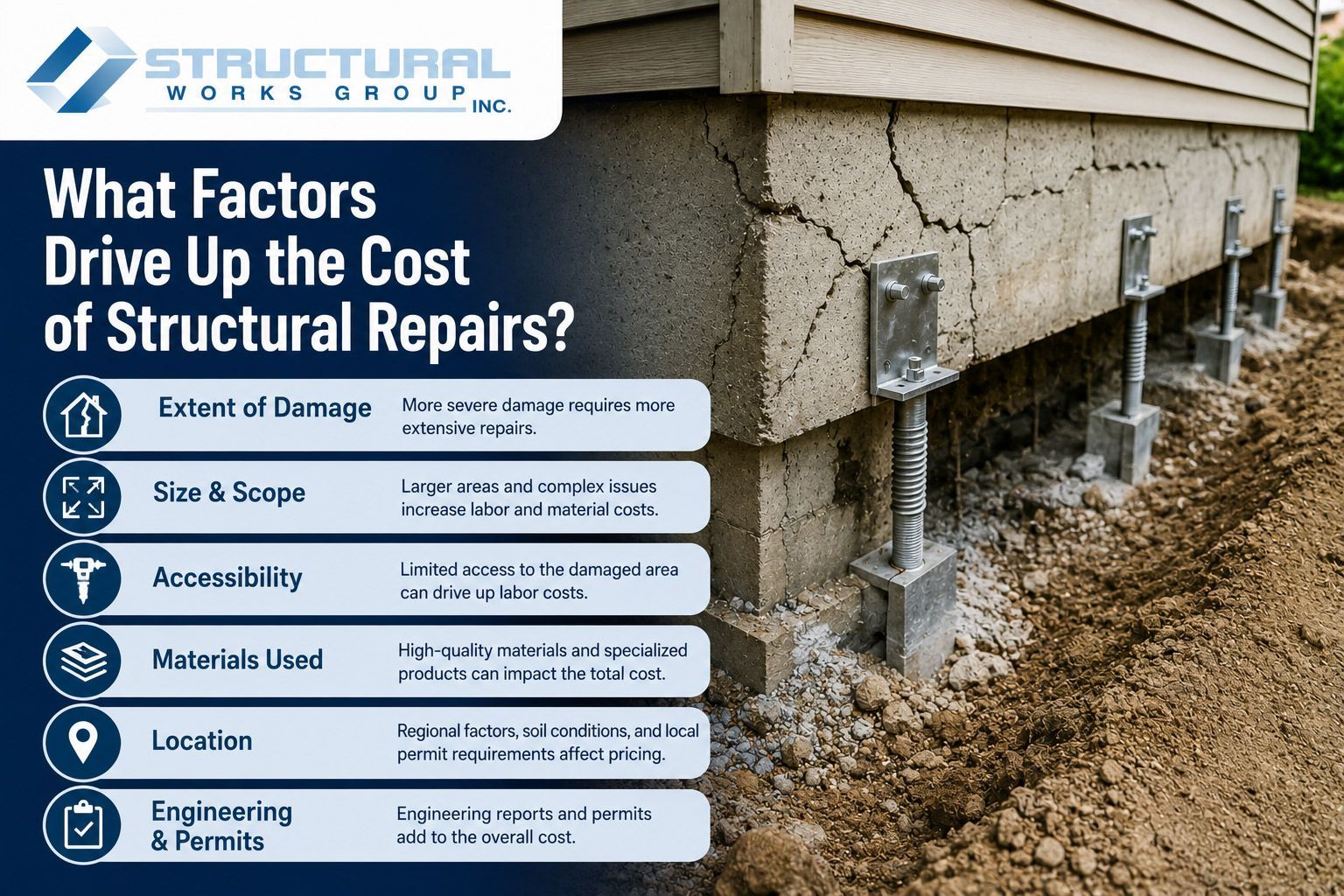
- Engineer involvement — some FHA conditions require a licensed structural engineer to inspect the damage, specify the repair, and certify the completed work. Engineering fees typically run $300 to $800 for a residential inspection and letter, and this cost is not typically incurred in standard residential repairs
- Permit requirements — FHA lenders may require a building permit for the repair and a final inspection sign-off, adding permit fees and potentially extending the timeline
- Code upgrade requirements — if a flagged foundation condition is related to a component that no longer meets current building code, the lender may require that the repair bring the home into code compliance, which can expand the scope beyond what the damage alone would require
- Scope escalation — FHA appraisers sometimes flag items that are technically borderline, resulting in a broader required scope than a conventional buyer might have negotiated
The most significant of these is typically the engineer requirement. When a structural engineer must specify, oversee, and certify the repair in addition to the contractor completing the work, the total project cost is higher — but the documentation and oversight that engineering involvement provides is also more robust and more defensible.
How to Approach Foundation Repair in an FHA Transaction
Whether you are the seller making repairs to satisfy an FHA condition or the buyer using FHA financing to purchase a home requiring foundation work, a clear, organized approach makes the process faster and less stressful. The following steps apply to most FHA foundation repair situations in Charlotte, NC:
- Obtain the specific written condition from the FHA appraisal — understand exactly what was flagged and what documentation the lender requires for clearance
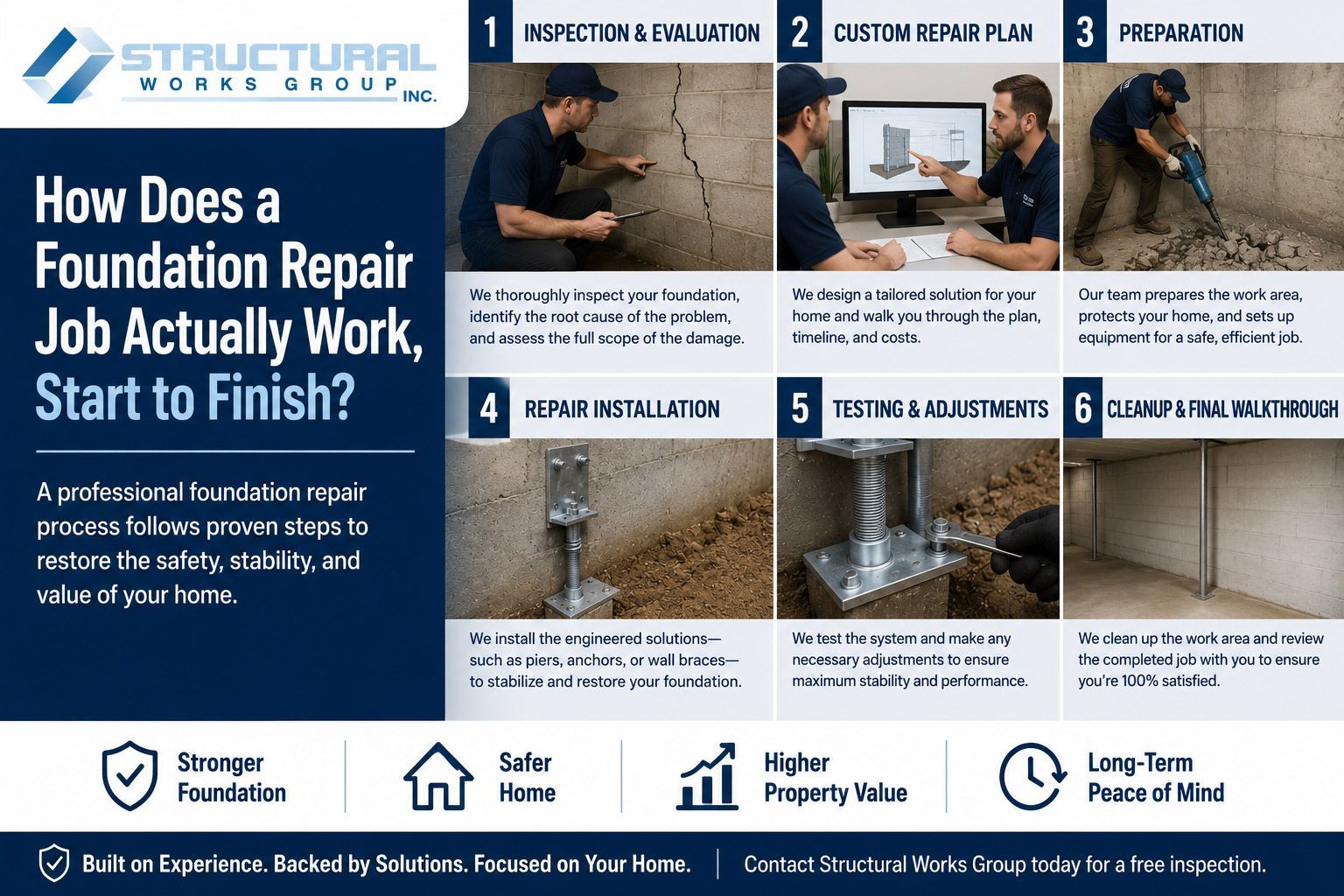
- Get a structural inspection and written scope of work from a qualified contractor before committing to any repairs — this prevents scope creep and ensures the repair addresses the flagged condition
- Confirm with the lender what documentation is required for condition clearance — engineer letter, permit, completion certificate, or some combination
- Select a contractor experienced with FHA documentation requirements who can provide the necessary paperwork as part of the project
- Ensure the completed work is documented in writing and the required clearance documents are submitted to the lender promptly to avoid transaction delays
Working with a contractor who is unfamiliar with FHA documentation requirements can create significant delays at closing, even when the physical repair is competently done. In Charlotte, NC, choosing a contractor with a track record of FHA, VA, and HUD compliance documentation saves time and frustration.
Frequently Asked Questions
Can a seller refuse to make foundation repairs required by an FHA appraisal?
Yes, a seller can refuse to make repairs — but doing so typically ends the transaction if the buyer is using FHA financing, since the loan cannot close with an unresolved appraisal condition. The parties can negotiate who pays for repairs, or the seller can request that the appraiser reconsider the condition if there is a legitimate basis for doing so. In practice, sellers who want to complete the sale usually make the required repairs.
Who pays for FHA-required foundation repairs — buyer or seller?
This is a negotiable point in the purchase contract. Most commonly, the seller makes and pays for repairs required to clear appraisal conditions, since the property must meet FHA standards for the loan to fund. However, buyers can sometimes negotiate a price reduction instead of requesting repairs, then use the savings to address the issues after closing — though this approach requires lender approval and careful coordination.
How long does it take to get FHA condition clearance after foundation repairs?
Once repairs are complete and required documentation is submitted to the lender, condition clearance typically takes three to seven business days, depending on the lender's workload and the appraiser's availability for any required re-inspection. Engineering letters and permit sign-offs must be in hand before submission, so coordinating these concurrent with the repair completion is important for minimizing delays.
Are VA foundation repair requirements the same as FHA?
VA and FHA appraisal requirements are similar in many respects but are not identical. VA appraisers use VA-specific minimum property requirements (MPRs) that address structural integrity, and like FHA, they are required to flag conditions that threaten safety or structural soundness. VA requirements tend to be somewhat stricter regarding roofing and mechanical systems but are broadly similar to FHA for foundation and structural issues. If your transaction involves a VA loan, confirm the specific documentation requirements with the VA-approved lender.
Does the FHA repair requirement affect the sale price of the home?
Indirectly, yes. When a seller must make foundation repairs to satisfy an FHA condition, the cost of those repairs effectively reduces the net proceeds from the sale. Buyers and sellers often negotiate the repair cost as part of purchase price or closing cost concessions. In Charlotte, NC, where FHA transactions are common, buyers and their agents are generally familiar with how repair conditions factor into negotiations and pricing.
Conclusion
FHA foundation repairs are not categorically more expensive than standard repairs — in many cases, the physical work is identical. Where cost differences do arise, they are typically tied to engineering oversight, permitting, and documentation requirements that come with government-backed financing. Understanding these factors in advance allows sellers, buyers, and real estate professionals to budget accurately and plan for realistic timelines. Structural Works Group is certified to perform FHA, VA, and HUD foundation repairs in Charlotte, NC and throughout the Carolinas, and our team handles all required documentation as a standard part of every project. Call
980-522-7581 to schedule your free evaluation and get the answers you need to move your transaction forward.