Can Financing Make Structural Repairs More Affordable?
September 27, 2026
Introduction
Few homeowners have five figures sitting in savings earmarked for foundation repair, which is exactly the position many people in Charlotte, NC find themselves in after an inspection turns up a structural issue.
The repair isn't optional, but paying for it all at once can feel impossible. This is where financing enters the conversation, not as a way to make the repair cheaper, but as a way to make an unavoidable expense fit into a household budget.
It helps to be clear about what financing does and doesn't do. Spreading a repair cost over months or years does not reduce the underlying price of the work, and in most cases it adds interest on top of it.
What financing does provide is flexibility: the ability to address a safety or stability issue right away, rather than delaying it while damage continues to spread and the eventual repair grows larger and more expensive.
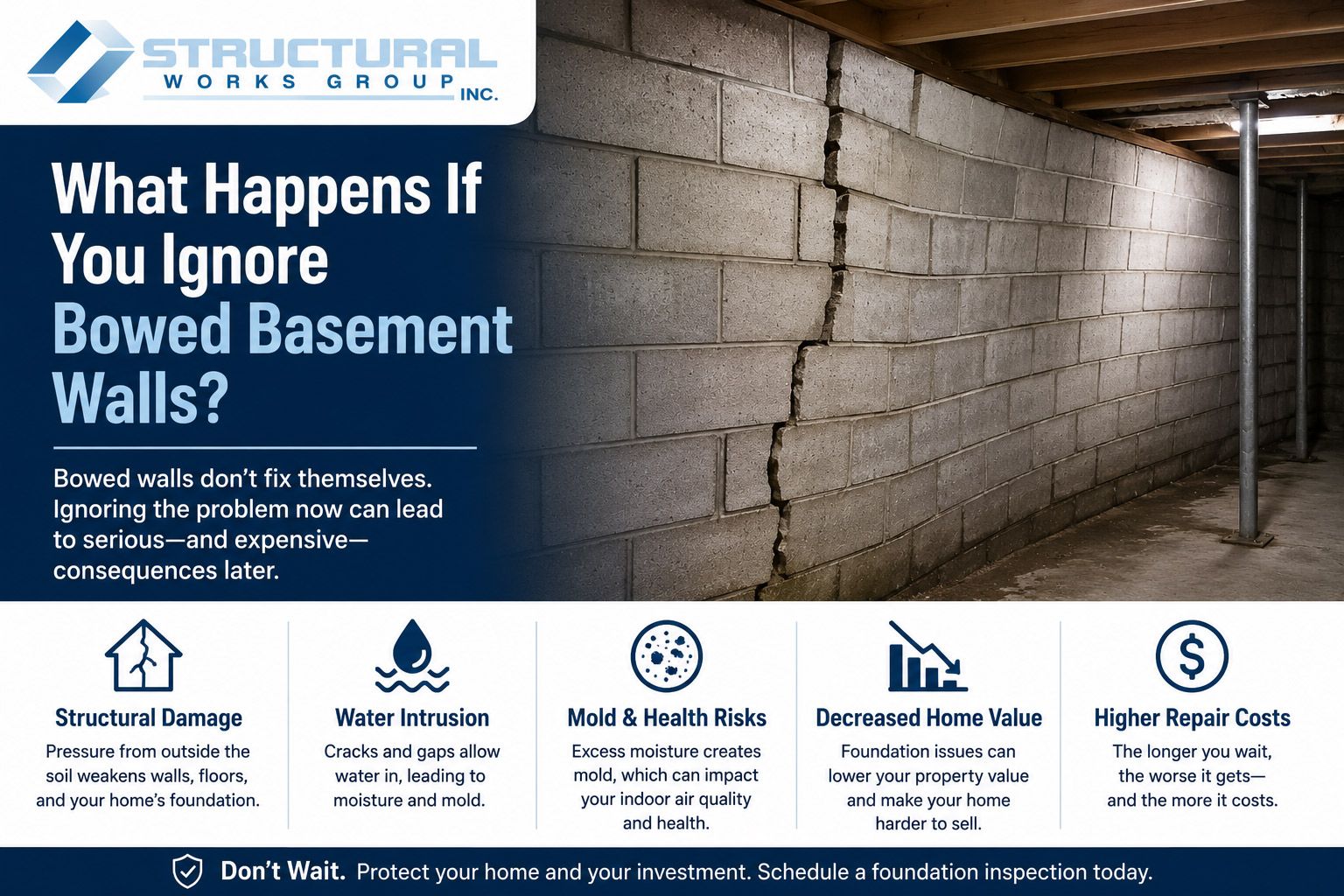
For many homeowners in Charlotte, NC, the real comparison isn't financed repair versus cash repair. It's financed repair now versus a larger, more expensive repair later, once the underlying soil movement has had more time to do damage.
Common Financing Options for Structural Repairs
Homeowners facing a structural repair typically have several financing paths available, each with a different balance of speed, cost, and qualification requirements.
Choosing between them usually comes down to how quickly the repair needs to happen and how much equity or credit history a homeowner already has available.
Contractor-Arranged Financing Plans
Many structural repair companies partner directly with a third-party lender, sometimes offering promotional interest-free periods of six to eighteen months for homeowners who qualify.
Home Equity Lines of Credit
A HELOC uses the home itself as collateral and often carries a lower interest rate than an unsecured loan, though it can take longer to set up than contractor financing.
Personal Loans
Personal loans don't require home equity and can often be approved quickly, but they typically carry higher interest rates and shorter repayment terms than secured options.
Insurance Claims Combined With Financing
In cases where a portion of the damage is covered by a claim, financing can be used to cover only the remaining, uncovered portion of the repair.
How Monthly Payments Compare to Emergency Repair Costs
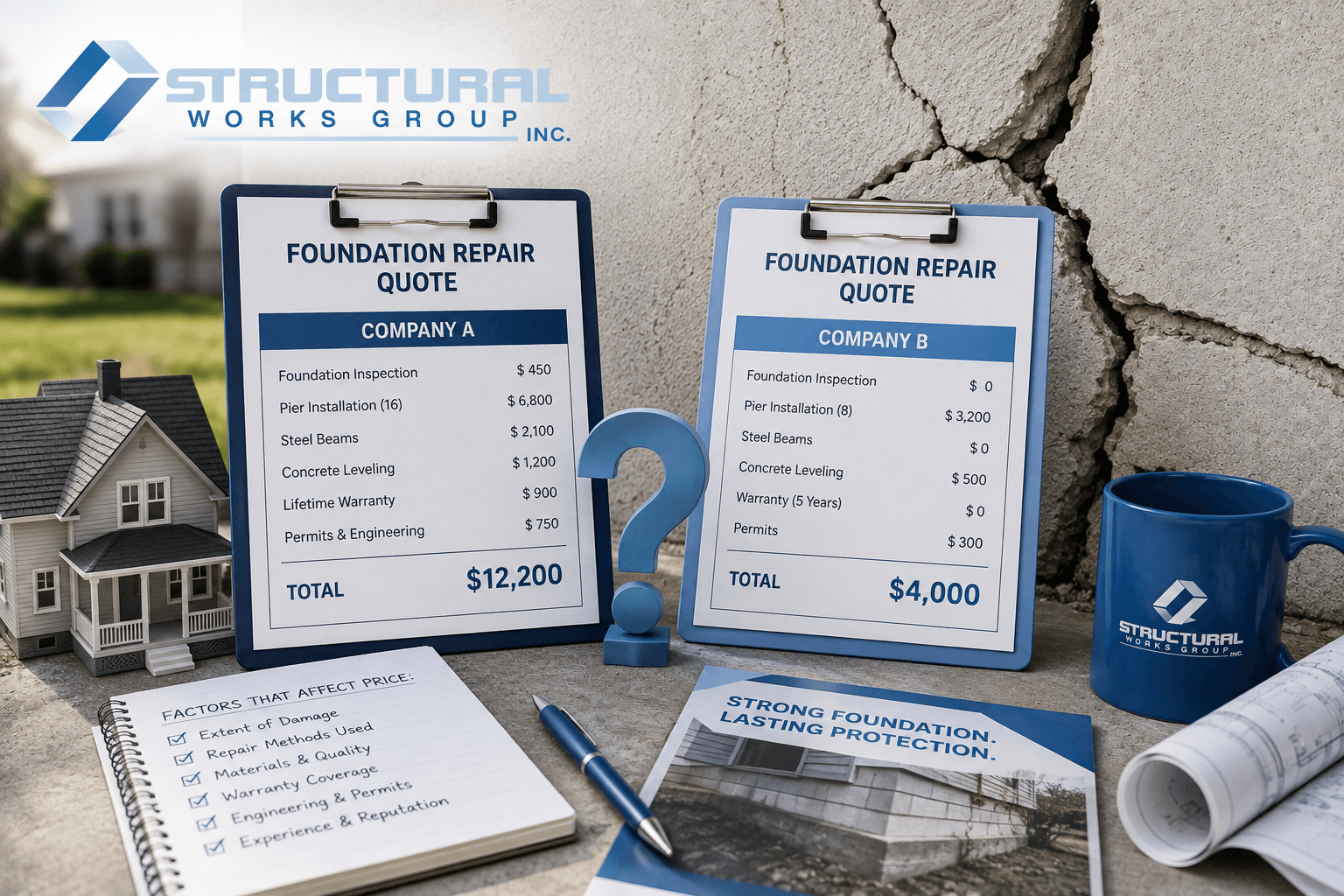
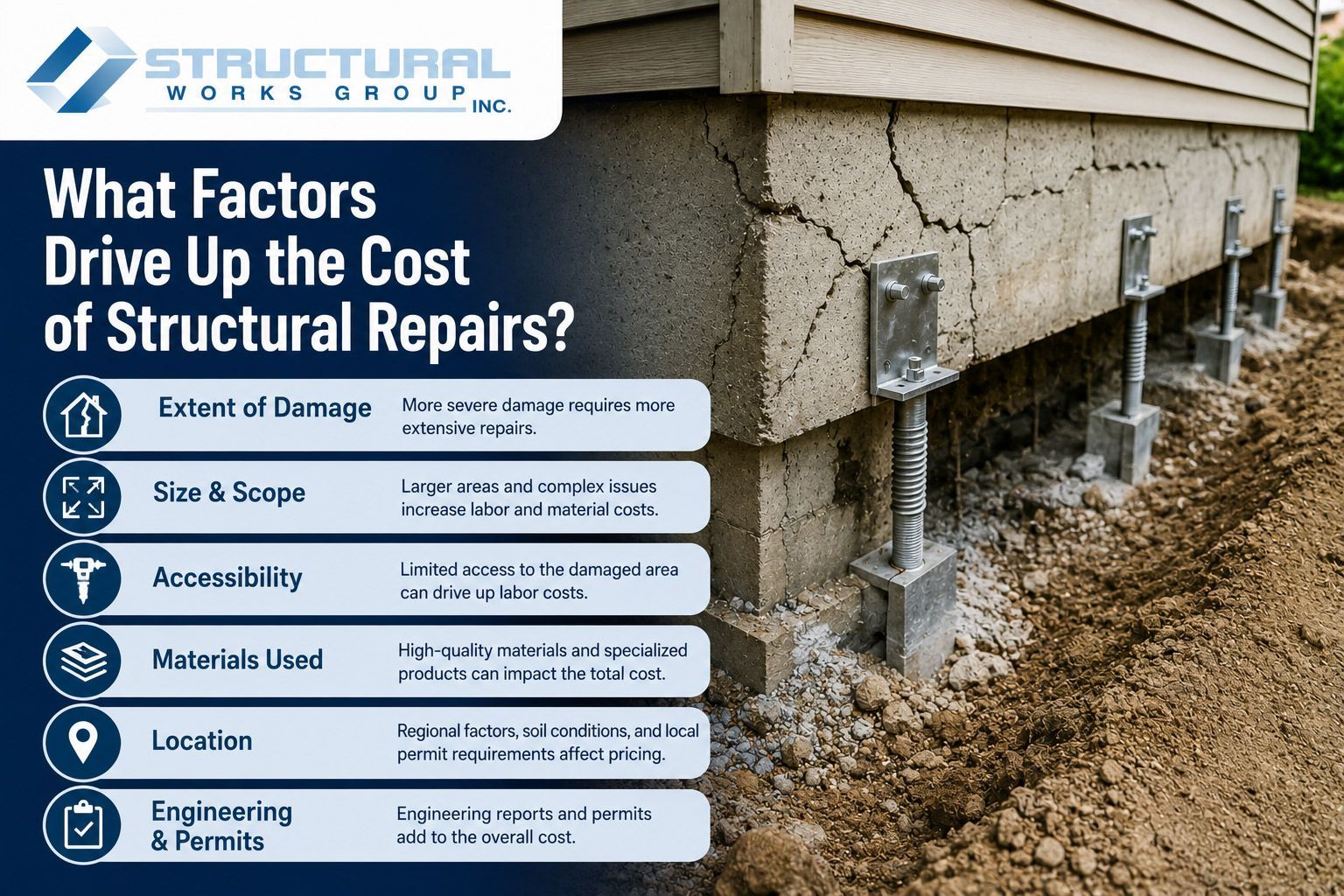
A full foundation stabilization project can run into the tens of thousands of dollars when multiple piers or extensive wall reinforcement are involved, an amount most households don't keep in reserve.
Structured into monthly payments over several years, that same project often becomes comparable to a car payment or a moderate utility bill, which changes the decision from can I afford this at all to can I afford this monthly.
This reframing matters most when a lender or home inspection has created a deadline. Financing the repair and completing it within days, rather than months, can be the difference between keeping a home sale on track and losing it entirely.
It also removes the temptation to choose a cheaper, incomplete fix simply to stay within a cash budget, since a financed project can fund the full, correct scope of repair rather than a partial one.
What Lenders and Contractors Look At Before Approving Financing
Approval for structural repair financing generally comes down to a short list of factors, and contractors who partner with financing companies typically prequalify homeowners the same day as the estimate.
- Credit history and credit score, which affect both approval and the interest rate offered.
- Income verification, to confirm the monthly payment fits the household budget.
- Available home equity, for loan products like HELOCs that use the property as collateral.
- The lender's own underwriting criteria, which vary between contractor financing partners and traditional banks.
Financing Considerations for FHA, VA, and Manufactured Homes in Charlotte, NC
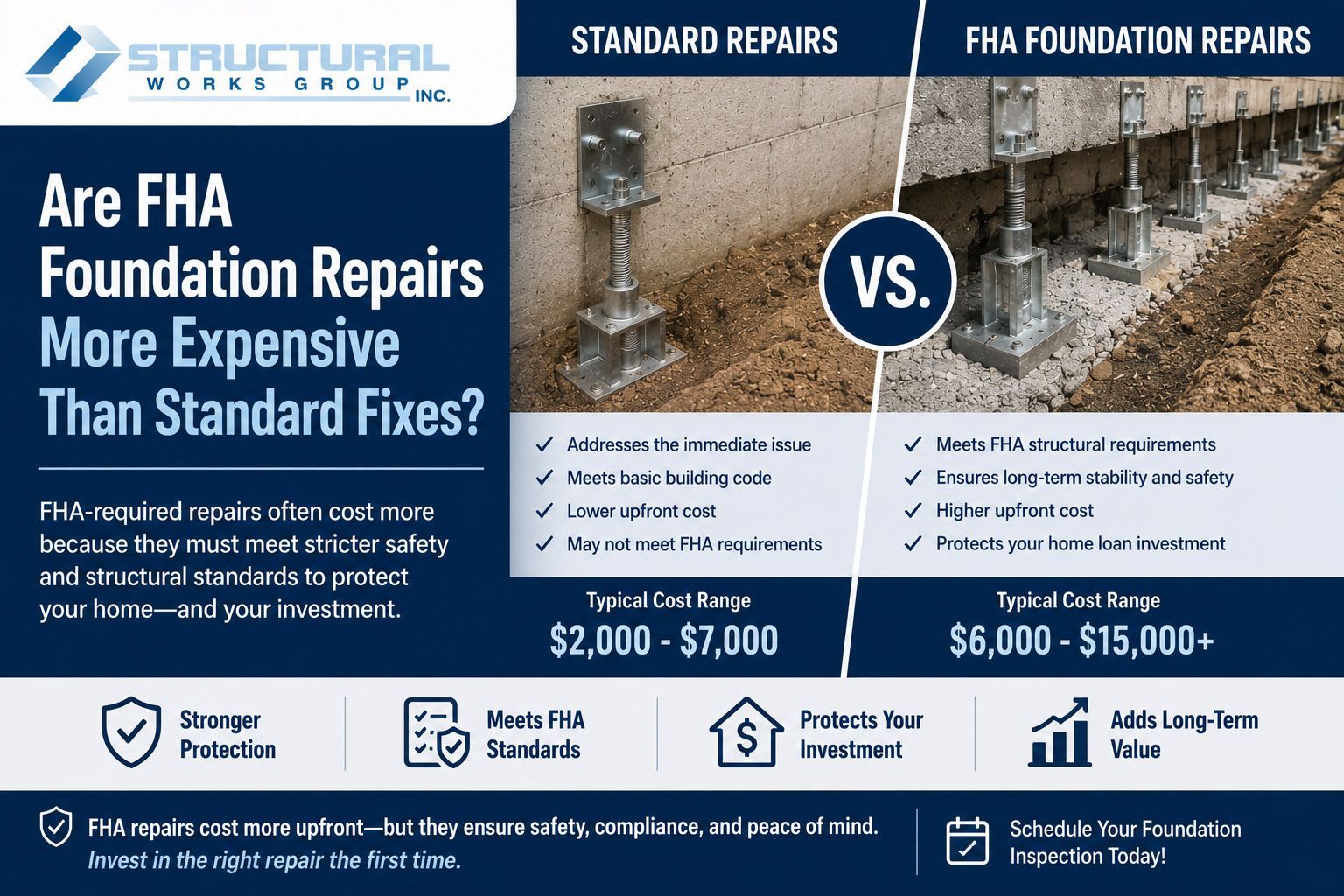
Homeowners with FHA, VA, or USDA-backed mortgages, or those living in manufactured and mobile homes, face an additional layer of consideration.
These loan types often require structural repairs to be completed, documented, and sometimes reinspected before a sale or refinance can close, so financing the repair promptly can directly protect a transaction timeline.
FHA and VA guidelines generally focus on whether the repair is completed and documented, not on how it was paid for, so financing through a personal loan, home equity line, or contractor plan doesn't create any additional underwriting hurdle.
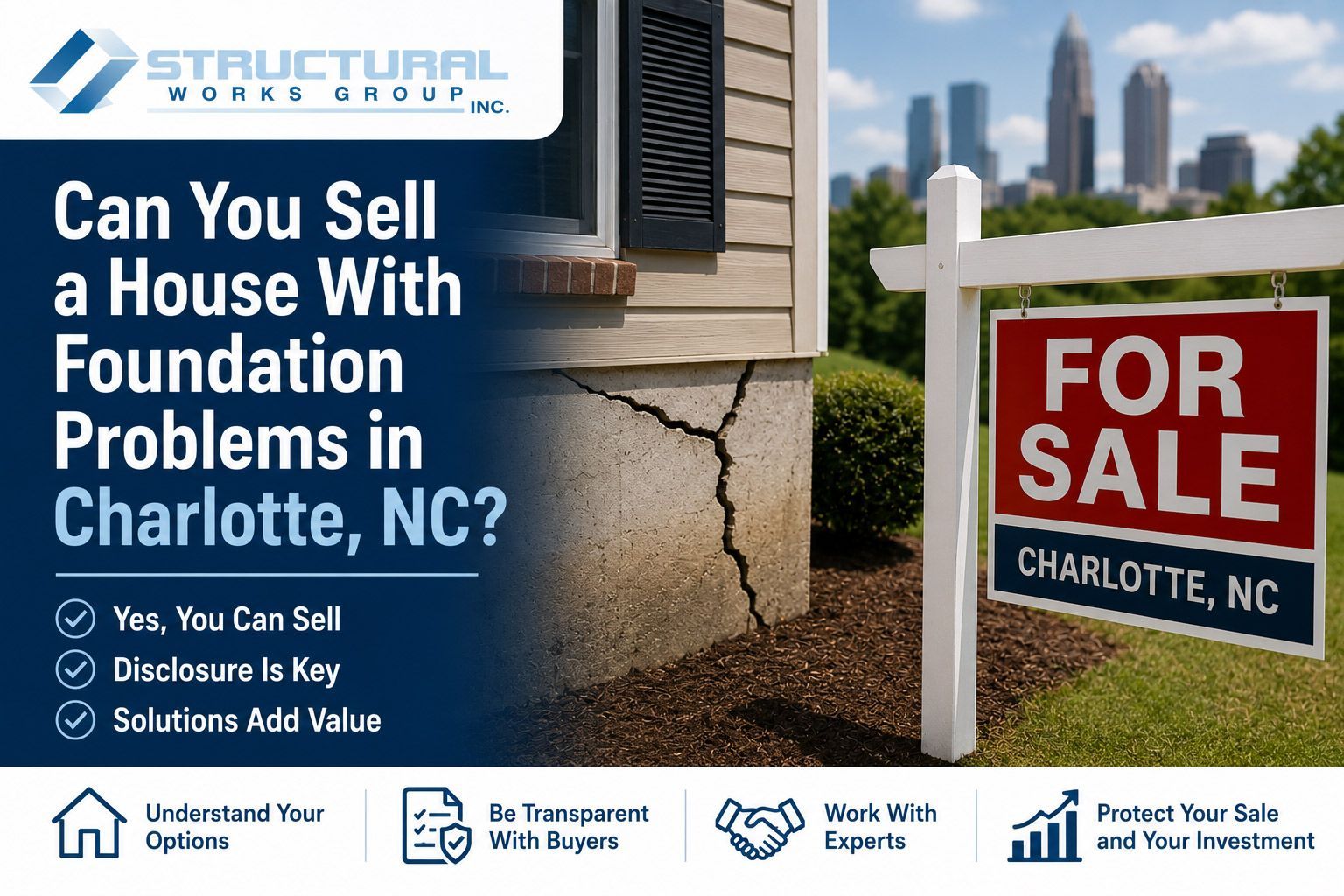
In Charlotte, NC's active real estate market, a homeowner who finances a needed repair early is typically in a stronger position at the time of sale or refinance than one who lets the issue sit unresolved.
Manufactured and mobile home owners specifically should confirm that any financed repair uses systems and materials that meet FHA, VA, or HUD foundation standards, since the wrong repair method can complicate a future loan approval.
Questions Worth Asking Before You Sign
Comparing financing offers is easier when you ask the same set of questions of every lender or contractor partner.
- What is the total cost of the loan, including interest, over its full term?
- Is there a penalty for paying the loan off early?
- Does the promotional rate change after an introductory period ends?
- Is the financing tied to this specific contractor, or can it be used elsewhere?
Frequently Asked Questions
Does financing a structural repair affect what I have to disclose when selling?
No. Disclosure requirements are based on the condition of the property and whether the issue was repaired, not on how the repair was paid for.
Are interest-free financing periods common for structural repair work?
Some contractor financing partners offer promotional no-interest windows, usually six to eighteen months, though terms vary and approval depends on creditworthiness.
Can financing cover a repair that's completed in multiple phases?
Yes, many financing plans can be structured around phased work, such as stabilizing a foundation first and addressing cosmetic repairs later, though this depends on the lender and loan structure.
Does having less-than-perfect credit disqualify me from repair financing?
Not necessarily. Many contractor financing programs work with a range of credit profiles, though the interest rate and approved amount will vary based on credit history.
Can rental property owners finance structural repairs the same way homeowners can?
In many cases yes, though some financing products are limited to owner-occupied primary residences, so it's worth confirming eligibility for investment or rental properties before applying.
Conclusion
Financing doesn't shrink the cost of a structural repair, but it can shrink the barrier to getting it done before a manageable problem becomes an unmanageable one.
Weighing the options above against your own timeline and budget puts you in a stronger position to move forward with confidence, rather than putting off a repair simply because the full cost feels out of reach right now.
Structural Works Group works with homeowners throughout Charlotte, NC to lay out repair options alongside realistic payment paths. Call 980-522-7581 to schedule a free evaluation and ask about financing options that fit your situation.