How Long Does a Typical Structural Repair Take?
January 3, 2025
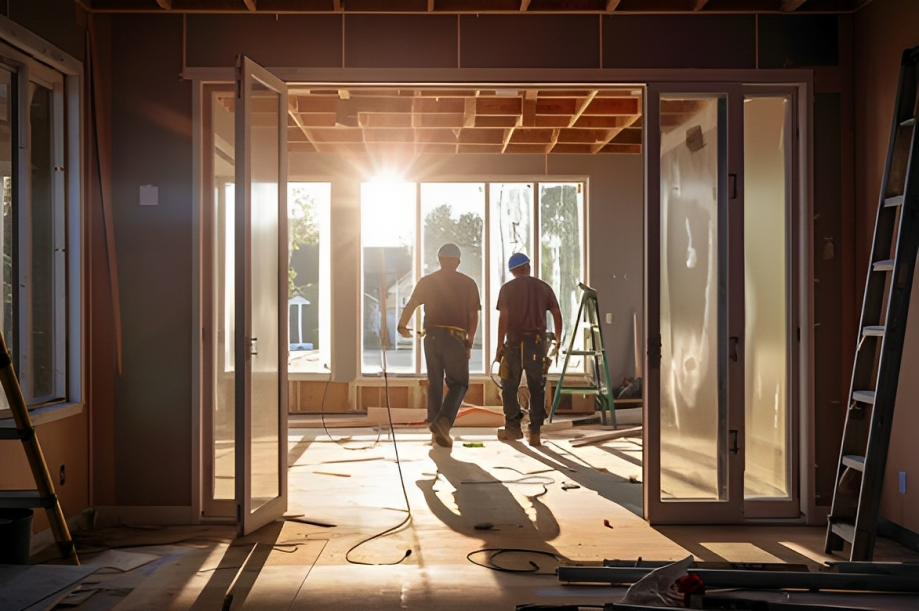
Structural repairs can be a hassle, especially when you’re unsure how long they’ll take. Whether you’re dealing with foundation cracks, sagging beams, or a damaged load-bearing wall, knowing the timeline helps you plan better.
Time isn’t just money—it’s also about safety and peace of mind. Delays or surprises during repairs can throw off your schedule and even increase costs. That’s why it’s crucial to know what to expect from the start.
In this guide, we’ll explain how long structural repairs usually take, what affects the timeline, and the steps involved. By the end, you’ll feel ready to tackle your project and avoid unnecessary delays.
What Affects Structural Repair Timelines?
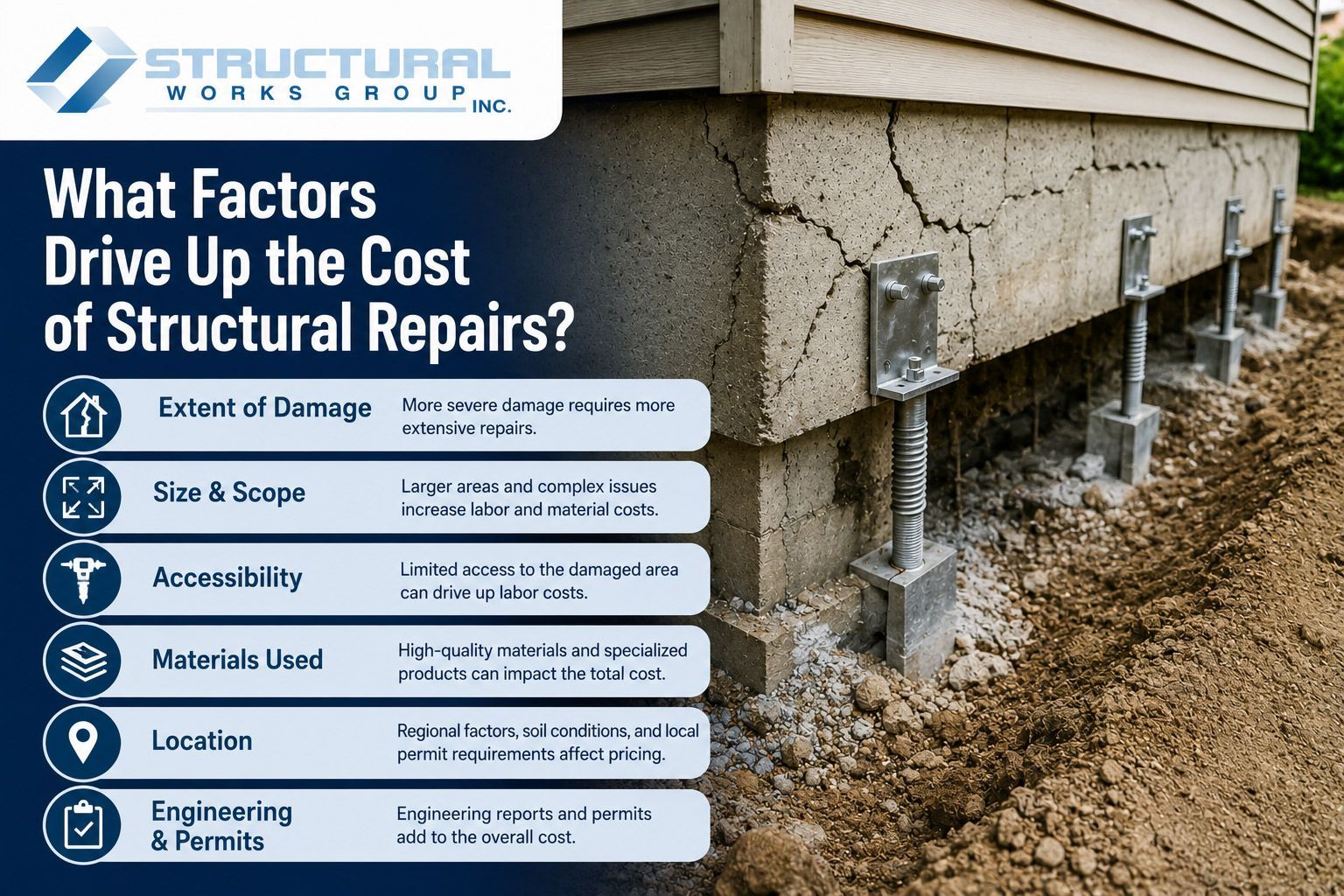
Several factors can influence how long structural repairs take. From the type of damage to the materials used, each element plays a role in determining the overall timeline. Let’s break it down.
Type of Structural Issue
The nature of the problem is one of the biggest factors. Fixing minor foundation cracks takes less time compared to addressing major structural damage like bowing walls or compromised load-bearing beams. Some issues can be resolved in days, while others may take weeks.
Severity of the Damage
The extent of the damage also matters. A small crack might only require quick patching, but widespread damage could mean replacing key structural components. Severe problems often need more inspection, planning, and labor, which stretches the timeline.
Inspection and Permits
Before repairs start, inspections and permits are often required. Local building codes may mandate that licensed professionals assess the damage and approve plans. Depending on your area, this process can take anywhere from a few days to several weeks.
Accessibility
The repair site’s accessibility can speed things up or slow them down. For example, tight crawl spaces or areas with heavy landscaping might require additional prep work. Weather conditions, like heavy rain or snow, can also limit access and delay progress.
Repair Methods and Materials
The techniques and materials used play a significant role in how long repairs take. Traditional methods might take longer, while modern techniques, like carbon fiber reinforcements, can save time. Similarly, the availability of materials can either keep the project on schedule or cause delays.
Typical Timelines for Common Structural Repairs
Not all structural repairs are the same, and the time required depends on the specific issue being addressed. Here’s a breakdown of average timelines for some of the most common types of repairs.
Foundation Repairs
- Timeframe: 1 to 3 weeks
Foundation issues, like settling or cracking, often take the longest to fix. The process may include excavation, installing piers, or pouring concrete, which requires time to cure properly. Inspections and adjustments can also add to the timeline.
Wall Repairs
- Timeframe: 2 to 5 days
Repairing walls with minor cracks or reinforcing bowing walls is usually quicker. Depending on the material and damage, techniques like wall anchors or epoxy injections can reduce repair time.
Roof Structural Repairs
- Timeframe: 1 to 2 weeks
Roof repairs involving trusses or beams typically take longer because they often require extra safety precautions. Weather conditions can also impact how quickly the work progresses.
Beams and Columns
- Timeframe: Varies by complexity
Replacing or reinforcing structural beams and columns can take anywhere from a few days to a couple of weeks. Factors like the size of the structure, material availability, and additional support requirements influence the duration.
By understanding these general timelines, you can better prepare for the scope and schedule of your project.
Steps Involved in Structural Repair (With Time Estimates)
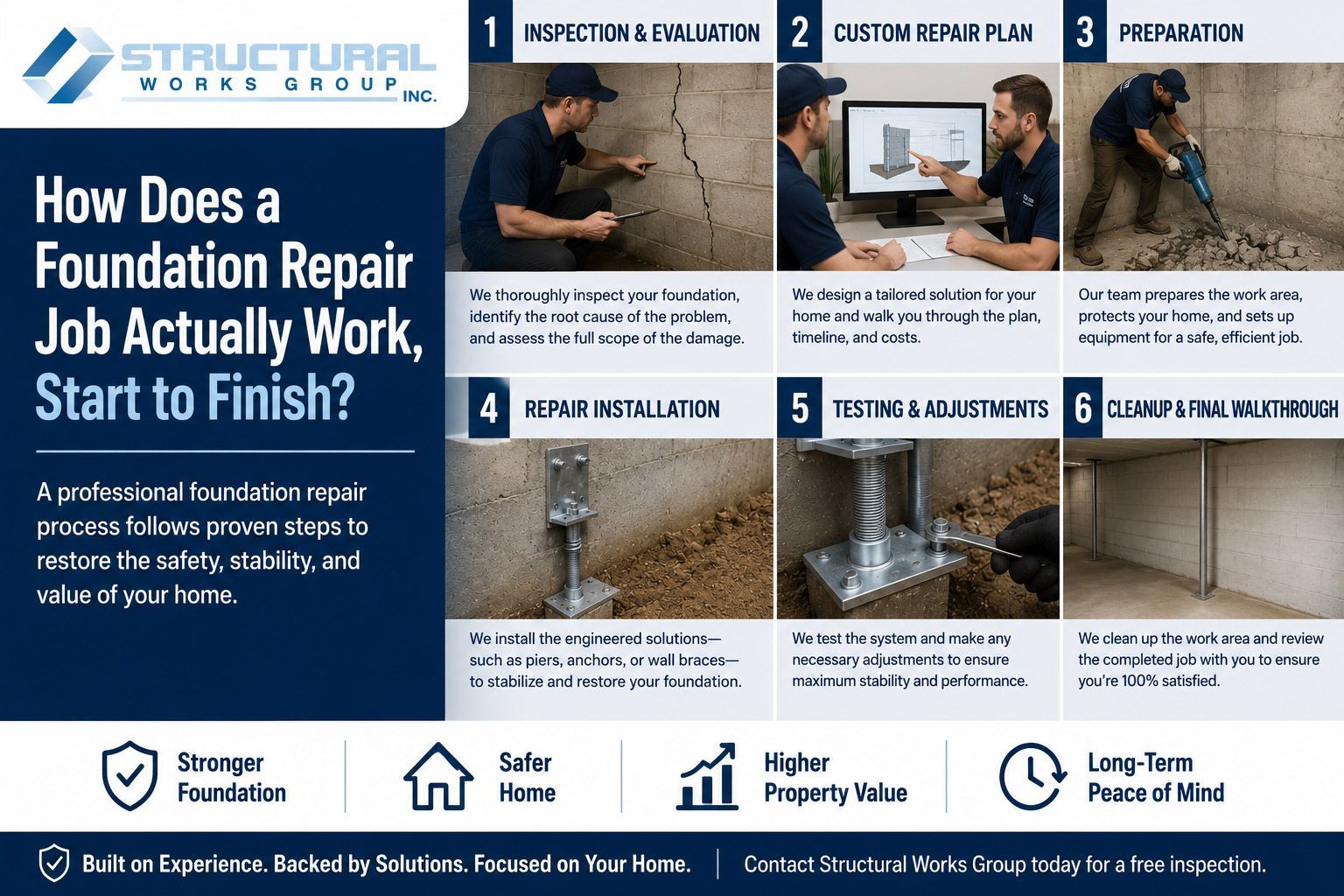
Structural repairs follow a series of steps, each contributing to the overall timeline. While the exact process may vary, here’s a breakdown of the typical phases and how long they might take.
Inspection and Damage Assessment
- Timeframe: 1 to 2 days
Every repair begins with a thorough inspection. Professionals evaluate the damage to determine the root cause and recommend solutions. In some cases, they may use advanced tools like laser levels or moisture meters for a detailed analysis.
Planning and Designing Repairs
- Timeframe: 3 to 7 days
Once the inspection is complete, engineers or contractors develop a repair plan. This includes choosing materials, calculating loads, and preparing for any special requirements. For complex issues, this step may take a little longer.
Permit Approvals
- Timeframe: 1 to 3 weeks (varies by location)
Before repairs begin, many local governments require permits to ensure the work complies with building codes. The time needed for approval depends on your area’s processes and how quickly inspectors review the plans.
Repair Execution
- Timeframe: Varies by repair type
This phase includes everything from prepping the site to carrying out the actual repairs. For example: - Foundation repairs: 1 to 3 weeks
- Wall repairs: 2 to 5 days
- Roof structural repairs: 1 to 2 weeks
The timeline depends on the type and complexity of the work.
Post-Repair Inspections and Cleanup
- Timeframe: 2 to 3 days
Once repairs are finished, a final inspection ensures everything meets safety and quality standards. Contractors also clean up the site, removing debris and restoring your property to its original condition.
By understanding these steps, you’ll know what to expect and how to coordinate with your contractor for a smooth repair process.
Tips for Minimizing Repair Time and Avoiding Delays
Structural repairs can be time-consuming, but with the right approach, you can keep the project on track. Here are some practical tips to help you minimize delays and complete repairs as efficiently as possible.
Hire Experienced Contractors
Choosing the right professionals makes a huge difference. Look for licensed contractors with proven experience in structural repairs. Skilled experts know how to navigate challenges quickly and efficiently, saving you time and money.
Get Permits in Advance
Permits can sometimes cause unexpected delays. Start the application process early, and ensure all necessary documents are ready before work begins. Check with your contractor or local building department to understand what’s required.
Use High-Quality Materials
Cutting corners on materials might seem like a good way to save money, but it can lead to problems down the road. High-quality materials ensure the repairs last longer, reducing the chances of future delays for additional fixes.
Maintain Clear Communication
Stay in regular contact with your contractor throughout the project. Address questions or concerns immediately, so small issues don’t turn into big delays. Being proactive keeps everyone on the same page.
Prepare for Unexpected Challenges
Sometimes, repairs uncover hidden issues, like additional damage or outdated construction methods. Budget extra time and resources to handle surprises without derailing the entire project.
By following these tips, you’ll reduce the chances of delays and ensure your structural repair process goes as smoothly as possible.
Why Structural Repairs Are Worth the Time
Investing time in structural repairs isn’t just about fixing immediate problems—it’s about securing the long-term safety and value of your property. Here’s why it’s worth every minute.
Protects Your Home and Family
Structural damage can compromise the safety of your home. Cracks, unstable beams, or sinking foundations can lead to accidents or further deterioration. Timely repairs ensure your home remains a secure place for your family.
Saves Money in the Long Run
Delaying repairs often makes problems worse and more expensive to fix later. Addressing issues promptly minimizes damage and avoids costly overhauls in the future.
Increases Property Value
A home with a solid structure is far more appealing to buyers. Proper repairs enhance your property’s value and marketability, ensuring you get a good return on your investment.
Meets Building Code Requirements
Repairs that follow local building codes help you avoid fines or legal issues. More importantly, they ensure your property meets safety standards, giving you peace of mind.
Prevents Further Damage
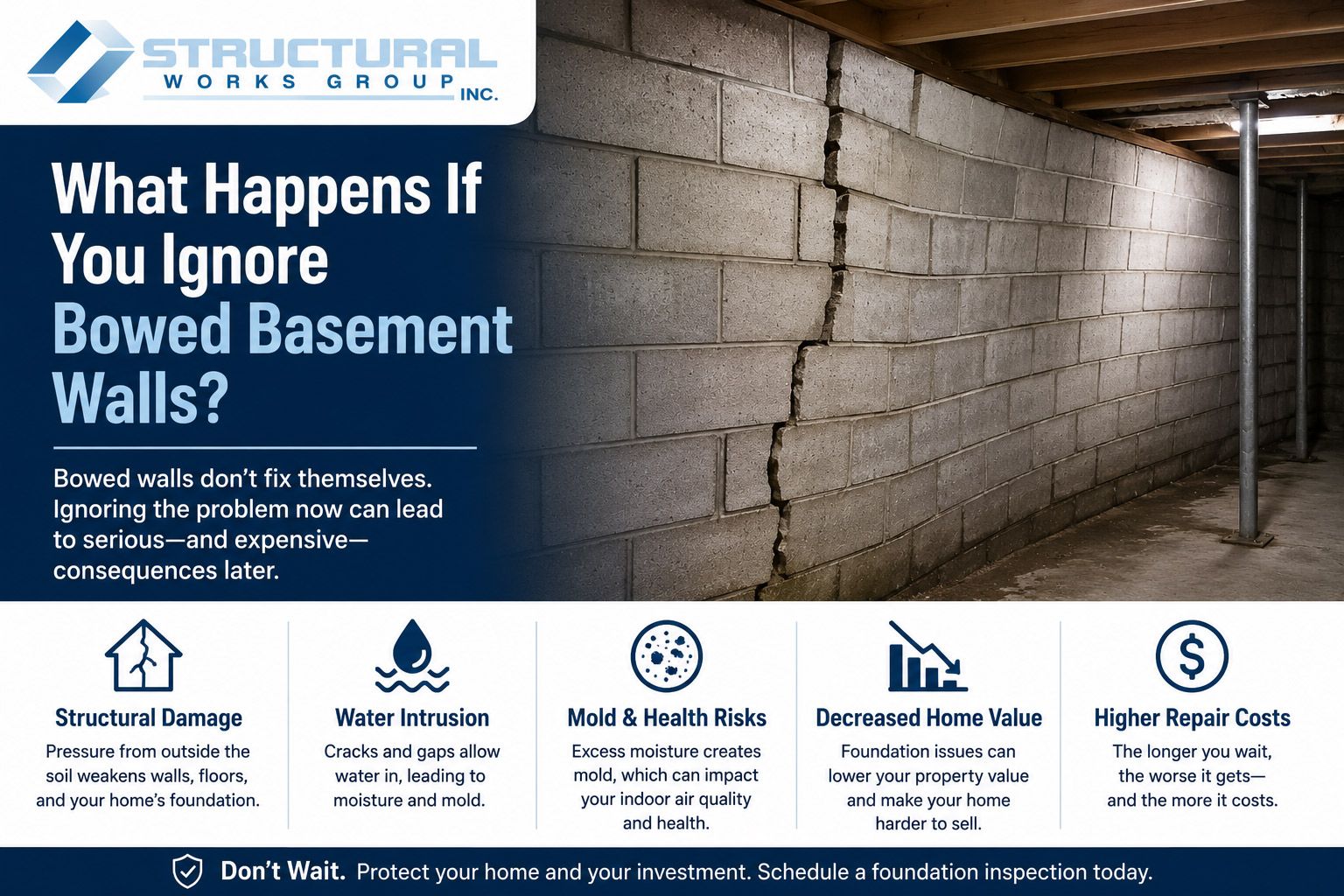
Ignoring structural problems can cause issues to spread. For instance, a small foundation crack could lead to uneven floors or misaligned walls. Repairs stop these problems in their tracks.
Structural repairs may take time, but the benefits far outweigh the inconvenience. In the end, you’re investing in the safety, longevity, and value of your home.
Conclusion
Structural repairs may seem daunting, but understanding the process and timeline helps you take control and make informed decisions. Whether it’s foundation repairs, crawlspace remediation, or fixing basement walls, addressing issues promptly saves you time, money, and stress in the long run. Prioritize safety, work with experienced professionals, and stay proactive to ensure a smooth repair process.
If you’re in Charlotte, Concord, Gastonia, Mooresville, or Shelby and need expert structural repair services, trust Structural Works Group. From foundation and crawlspace repairs to wood deck inspections and FHA, VA, and HUD-approved foundation work, they have the expertise to handle it all.
Contact Structural Works Group today for reliable solutions that restore your home’s safety and value. Don’t wait—schedule your consultation now!