How Structural Problems in Mooresville Can Affect Home Resale Value
September 26, 2025
Reinforcing Decks in Charlotte’s Climate: Best Practices
Introduction
In Mooresville, where lakeside living and suburban charm attract homebuyers year-round, property condition plays a major role in determining value. But even the most beautiful home can lose its appeal — and its price — if structural issues are uncovered during inspection.
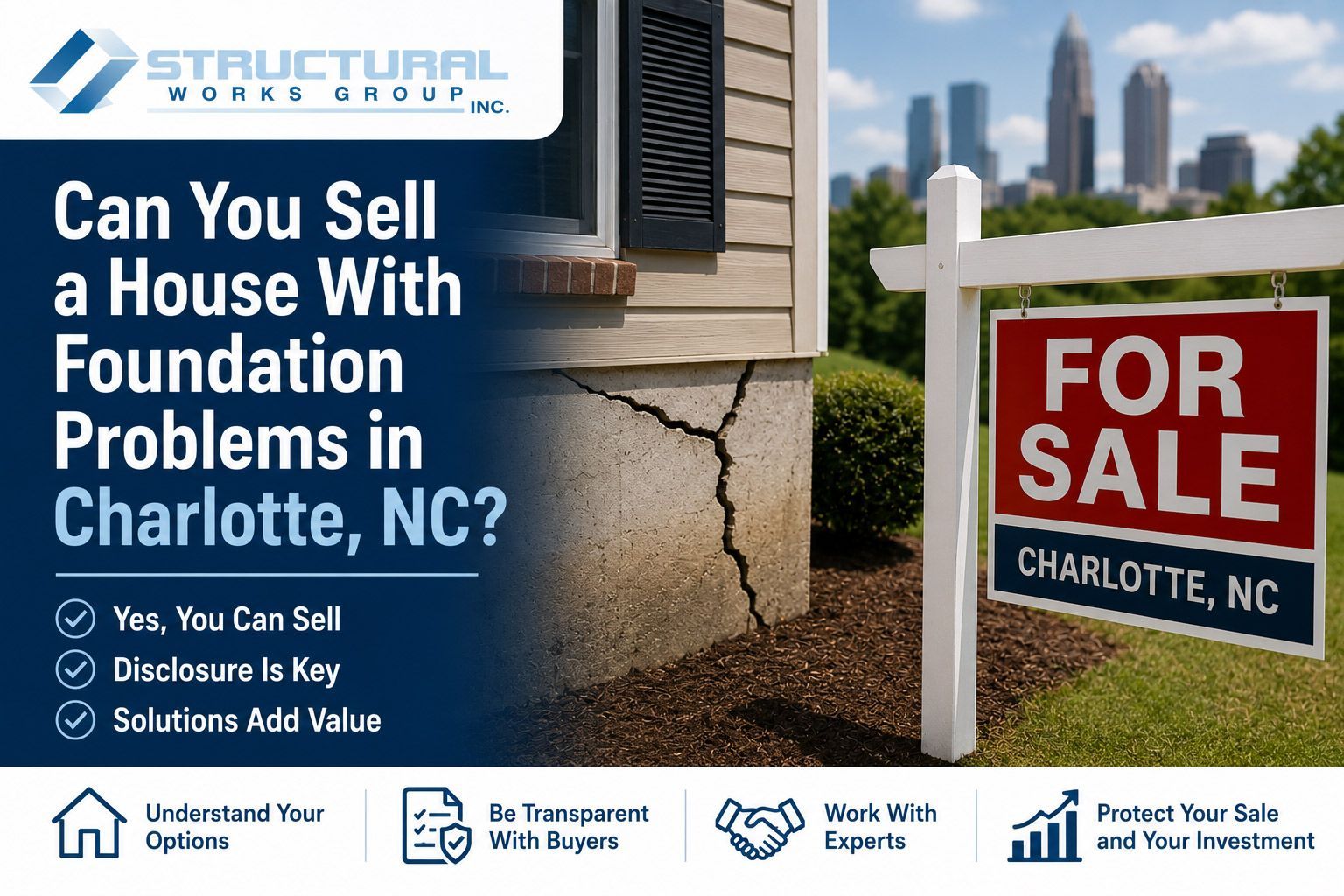
From foundation settling to crawlspace damage, structural problems often start small but grow costly over time. For Mooresville homeowners planning to sell, these hidden issues can reduce resale value, delay transactions, or scare away potential buyers altogether.
This guide explains how structural problems affect home resale value, which warning signs to watch for, and what steps can help you protect your property’s market position before listing.
How Structural Problems Impact Home Value in Mooresville
The Market Reality
Buyers in Mooresville are increasingly cautious — and with good reason. Home inspections have become standard, and even minor structural concerns often prompt renegotiations or lost offers. In competitive neighborhoods near Lake Norman or the expanding downtown corridor, buyers expect well-maintained properties with strong foundations.
When a structural problem appears in a home report, three outcomes are typical:
- Price reduction: Buyers use repair estimates to negotiate lower offers.
- Longer listing times: Homes with visible foundation or framing issues take longer to sell.
- Fewer qualified buyers: Some mortgage lenders hesitate to finance homes with unresolved structural damage.
How Value Declines With Structural Issues
Structural damage doesn’t just affect aesthetics — it changes how buyers and inspectors assess long-term stability. Common ways this impacts resale value include:
- Lower appraisals: Appraisers assign less value to homes requiring major structural work.
- Decreased buyer confidence: Visible cracks, uneven floors, or sagging walls create uncertainty about hidden damage.
- Higher perceived maintenance costs: Buyers anticipate ongoing repair needs, which discourages competitive offers.
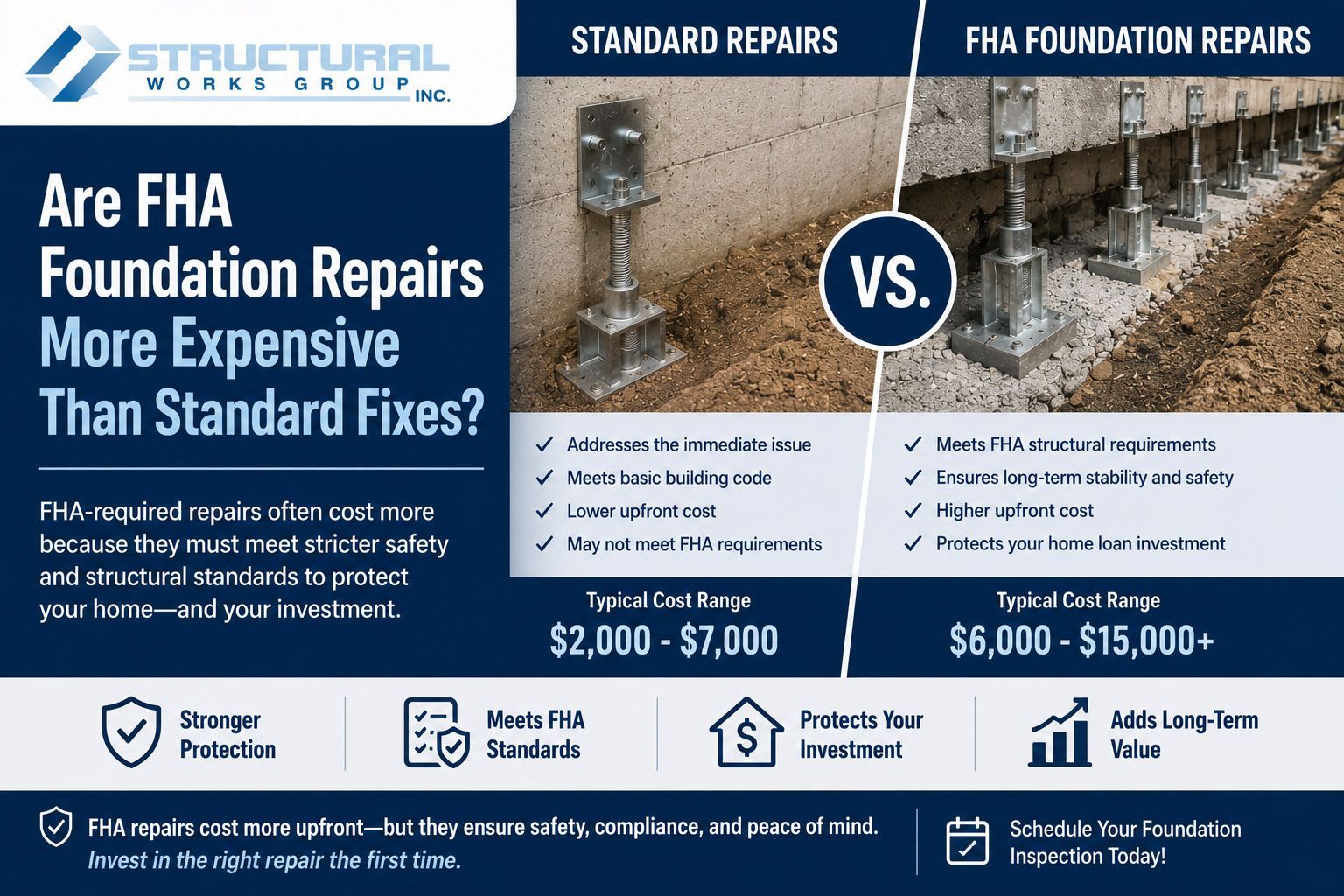
- Reduced financing options: FHA and VA loans may require structural clearance before approval.
Even if repairs are completed, failing to document or certify professional work can still limit resale price potential.
Common Structural Problems in Mooresville Homes
Foundation Movement and Cracking
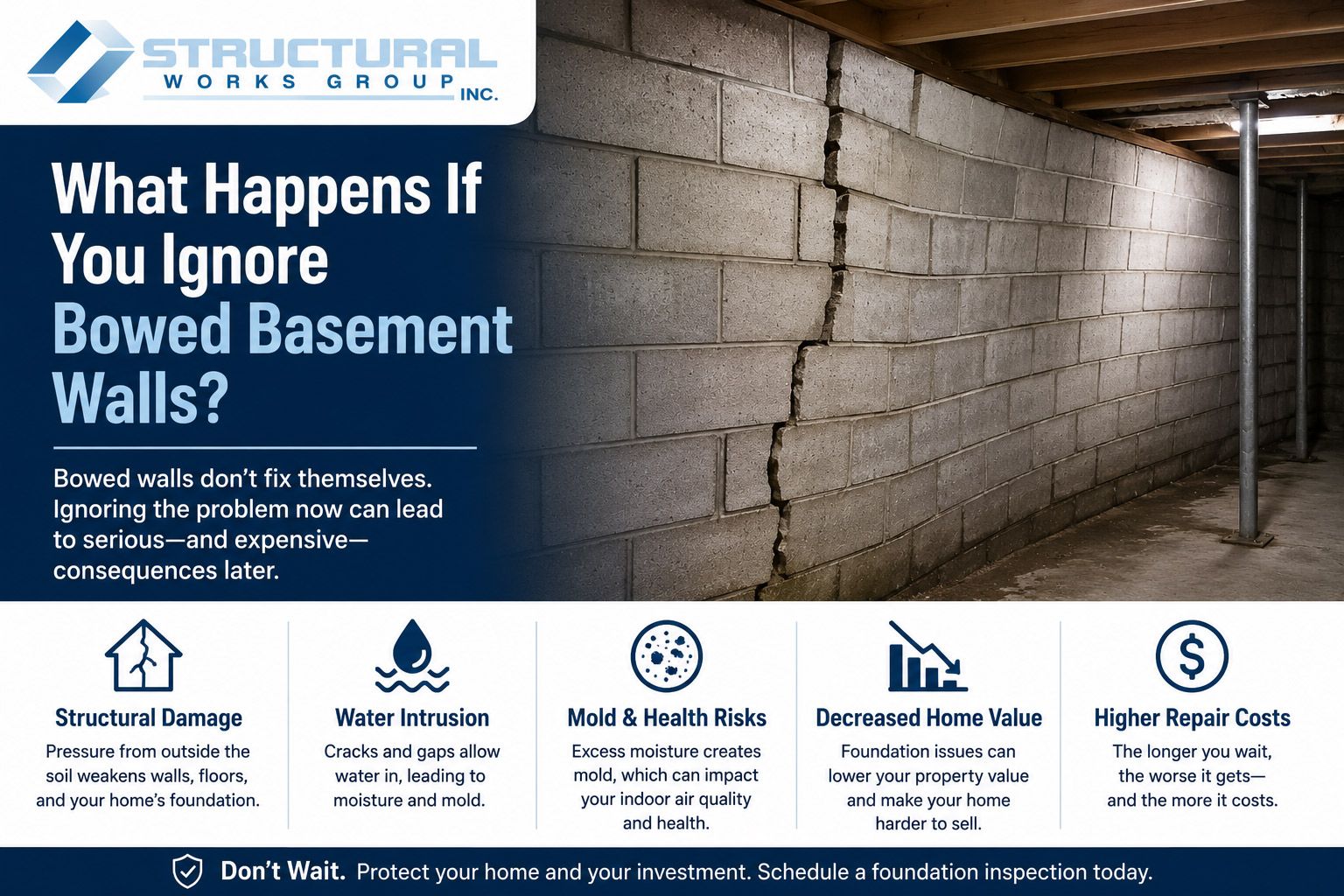
Mooresville’s clay-heavy soil expands when wet and contracts when dry, creating uneven pressure beneath foundations. This often leads to:
- Hairline or stair-step cracks in brick and block walls
- Uneven floors or gaps near baseboards
- Doors or windows sticking out of alignment
These issues are common across Iredell County, particularly in older subdivisions or lakeside homes built on sloped terrain.
Crawlspace Moisture and Wood Rot
Many Mooresville homes feature crawlspaces rather than basements. Unfortunately, high humidity and poor ventilation often lead to:
- Mold growth and musty odors
- Rotted wooden joists or beams
- Sagging floors due to weakened framing
Because crawlspace moisture affects air quality and structural integrity, it’s one of the most common problems discovered during pre-sale inspections.
Water Intrusion and Drainage Problems
Improper grading, clogged gutters, or failing waterproofing systems can allow water to pool near the foundation. Over time, this causes erosion, cracking, and hydrostatic pressure on basement or crawlspace walls — all of which are red flags for buyers.
Aging Decks and Exterior Structures
Outdoor living is a major selling point in Mooresville, but deteriorating decks or leaning porch supports can raise safety concerns. Local buyers often request professional evaluations or replacements before closing.
Preparing for Sale: Structural Repair and Prevention
Step 1: Schedule a Professional Structural Inspection
Before listing your Mooresville home, get ahead of potential buyer concerns by ordering a certified inspection. A structural engineer or repair specialist can identify foundation, crawlspace, or framing issues early — giving you time to address them on your terms.
Step 2: Prioritize High-Impact Repairs
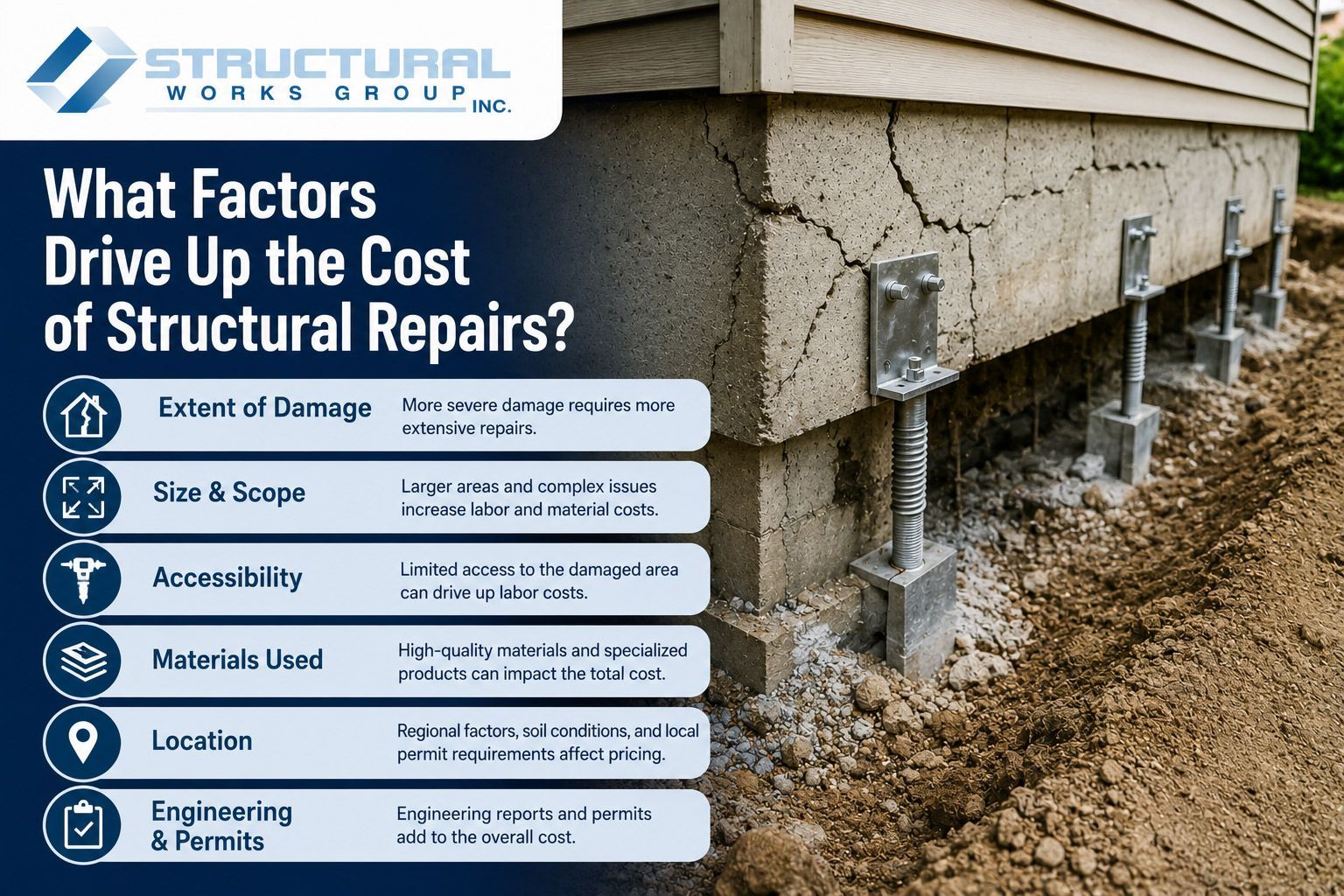
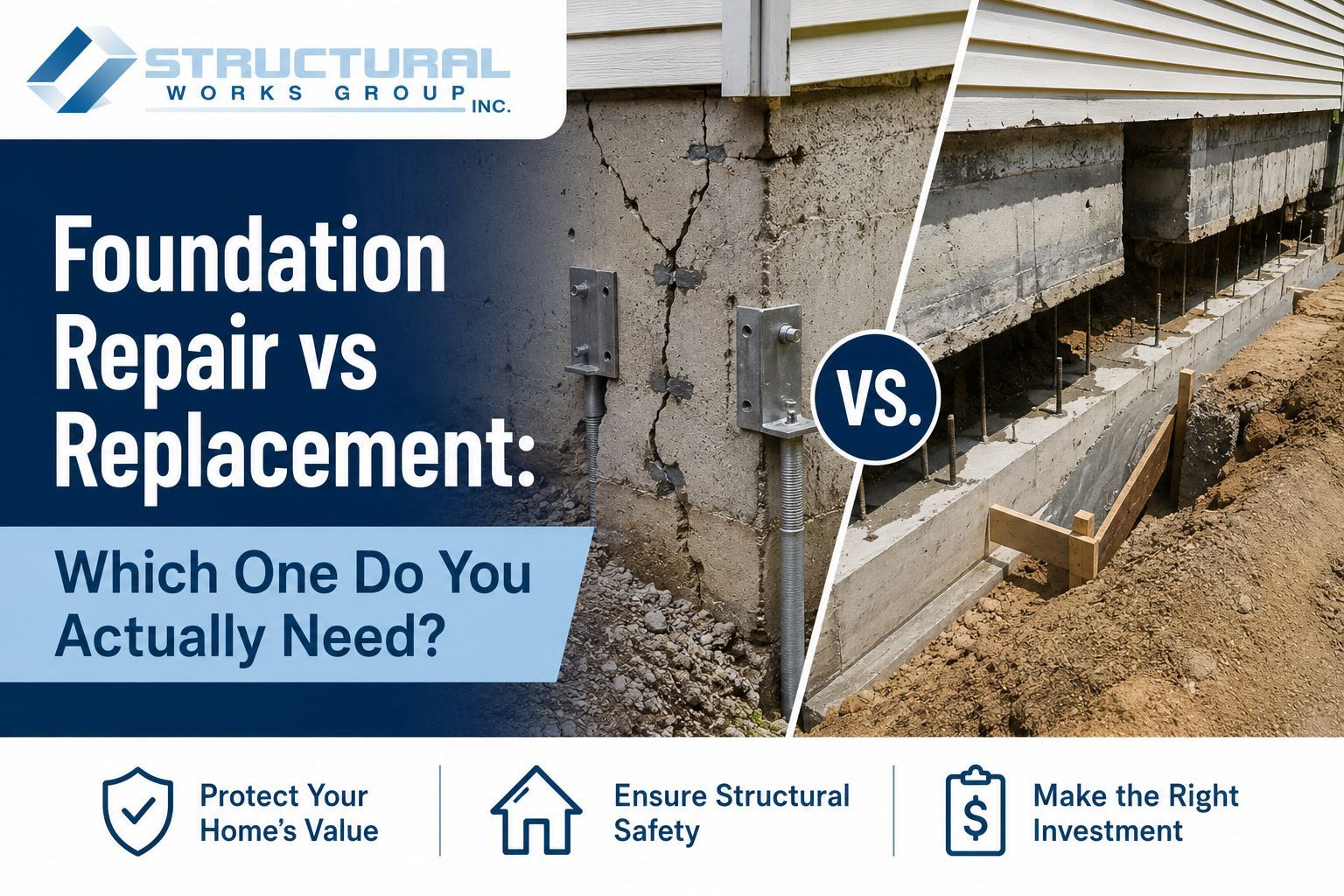
Focus first on repairs that affect both safety and visual perception. Foundation stabilization, crawlspace encapsulation, and deck reinforcement all provide immediate value to potential buyers. Documenting professional repairs also strengthens your disclosure statement and reassures lenders.
Step 3: Improve Drainage and Moisture Control
Simple exterior improvements, such as extending downspouts, correcting yard grading, or adding vapor barriers, prevent future damage and protect your investment. In humid regions like Mooresville, these updates are both practical and marketable.
Step 4: Provide Repair Documentation During Sale
Transparency builds buyer confidence. Keep records of inspections, repair estimates, and contractor certifications. Buyers are far more likely to proceed with confidence when they see structural work has been handled professionally.
Step 5: Work With Local Specialists
Local experts familiar with Mooresville’s soil conditions and building standards can recommend durable, climate-appropriate repair solutions. They also understand regional pricing trends, helping you invest only where repairs truly boost resale value.
FAQs About Structural Problems and Home Value
Do all structural problems reduce resale value?
Not always. Minor issues caught early and professionally repaired may have little to no long-term impact — especially if documented properly.
How much can foundation issues lower home value?
Depending on severity, unresolved foundation problems can reduce resale value by 10–30%. However, certified repairs typically restore much of that lost value.
Should I fix structural issues before selling?
Yes. Homes with open structural concerns stay on the market longer and invite low offers. Repairing before listing typically provides a higher net return.
Can buyers still get financing on a home with structural damage?
It depends on the lender. Conventional loans may proceed with conditions, but FHA and VA loans often require proof of structural stability before approval.
How can I reassure buyers after repairs?
Provide inspection reports, warranties, and photos showing completed work. Buyers appreciate transparency and proof of professional craftsmanship.
Local Insights: Mooresville’s Market and Buyer Expectations
Mooresville’s real estate market has grown steadily thanks to its proximity to Lake Norman and Charlotte. However, with higher property values comes stricter buyer scrutiny.
Homes built in the 1990s and early 2000s often show signs of soil settlement or crawlspace wear, particularly in neighborhoods with dense clay or poor drainage. Local buyers and inspectors are familiar with these issues — and expect sellers to have addressed them responsibly.
Investing in professional foundation or moisture repairs not only preserves your home’s safety but also positions your listing as a low-risk, high-value property in a competitive market.
Conclusion
Structural issues may seem like a hidden problem, but in Mooresville’s active housing market, they can directly impact your home’s value and buyer appeal. From soil-related settling to crawlspace decay, these problems signal risk — unless properly handled before listing.
By scheduling a professional inspection, prioritizing key repairs, and documenting the results, Mooresville homeowners can protect both their property’s integrity and resale potential.
Structural Works, serving Mooresville and the greater Charlotte region, provides expert evaluations, foundation repair, and crawlspace stabilization tailored to North Carolina’s soil and climate conditions. Their specialized approach ensures your home stands strong — and stands out — when it’s time to sell.