How to Find the Best Structural Repair Company in Charlotte, NC

January 10, 2025
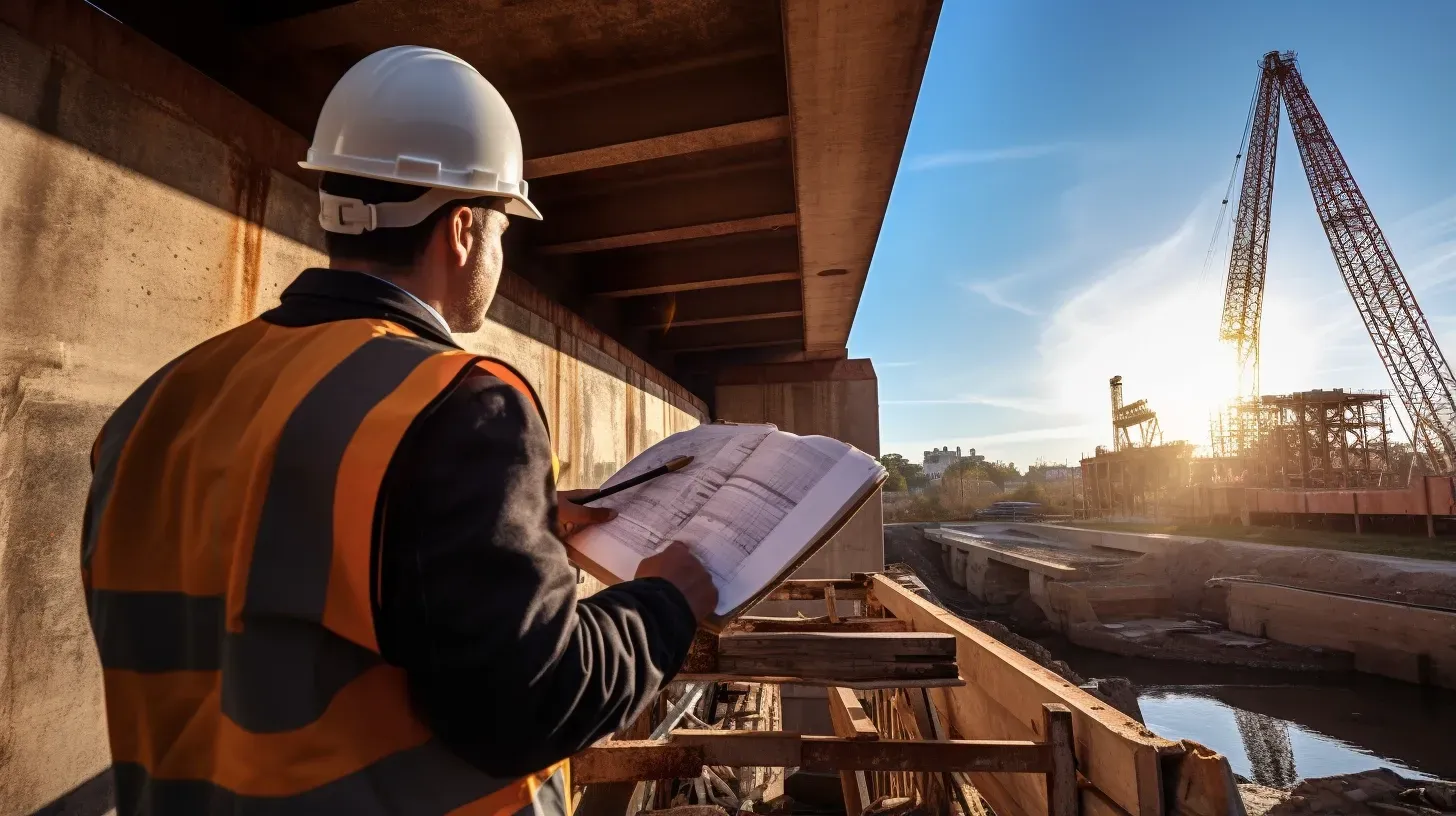
 Good Structural Repair Company in Charlotte

When your home shows signs of foundation cracks, uneven floors, or moisture problems in the crawl space, it’s not just another repair — it’s a matter of structural safety. Choosing the right structural repair company can feel overwhelming, especially with so many options in the Charlotte area.

Your home’s foundation is one of its most important systems, and hiring an inexperienced or unqualified contractor can lead to costly mistakes. This guide walks you through how to find a reputable structural repair company in Charlotte, what questions to ask, and what warning signs to avoid.

Why Choosing the Right Company Matters

Structural repairs are not like cosmetic upgrades. A poorly executed foundation or framing repair can compromise your home’s stability, create safety risks, and reduce its value.


In Charlotte, NC, the soil composition and climate present specific challenges — expansive clay soil that shifts with moisture changes, high humidity, and heavy seasonal rains. These conditions mean that you need a company experienced in diagnosing and repairing local structural problems. Choosing the right professionals ensures your repair is done correctly and will stand the test of time.

What to Look for in a Structural Repair Company

Before hiring anyone, it’s important to know what separates a reliable company from one that could make your problem worse.

Research and Ask for Referrals

Start with recommendations from friends, neighbors, or family members who have dealt with similar issues. Hearing about their experiences provides valuable insight into how the company handles its work, communicates with clients, and follows up after the job.

Licensing, Insurance, and Local Experience

Make sure the company is fully licensed to perform structural work in North Carolina. They should also carry liability insurance and workers’ compensation to protect both you and their team.

Local experience matters. A company based in the Charlotte area understands the region’s soil movement, weather patterns, and typical foundation designs, allowing them to identify root causes more effectively.

In-Depth Inspection and Written Estimate

A trustworthy structural repair company won’t quote you a price over the phone. Instead, they’ll perform an on-site inspection, explain what’s causing the issue, and give you a detailed written estimate. The proposal should clearly outline the work needed, materials, and timeline.

Avoid companies that give vague or rushed estimates — this is often a sign of cutting corners or upselling unnecessary services.

Reviews and References

Customer feedback can reveal a lot about reliability and professionalism. Look for consistent, positive reviews that highlight communication, punctuality, and quality of work.

Don’t hesitate to ask for references from local homeowners. Speaking with someone who’s had similar repairs gives you a realistic idea of what to expect.

Warranties and Guarantees

Structural repairs are long-term investments. A reputable company will offer warranties on both labor and materials, and they’ll explain the terms clearly. Ask whether the warranty transfers to new homeowners — this can increase your property’s resale value.

Professionalism and Communication

How a company communicates says a lot about how they’ll manage your project. Pay attention to how quickly they return calls, how clearly they explain their process, and whether they take time to answer your questions. Professional communication is a strong indicator of a company that values quality and client trust.

Key Questions to Ask Before Hiring

Before signing any contract, make sure you ask the right questions.

  • How long have you been doing structural repair work in the Charlotte area?
  • Are you licensed and insured in North Carolina?
  • What type of structural issues do you specialize in — foundation repair, crawl space work, or both?
  • Can you show examples or photos of similar projects you’ve completed nearby?
  • What does your inspection process include?
  • How long will the repair take, and what happens if unexpected problems arise?
  • What warranty do you provide on your work and materials?
  • How do you protect my home and property during the repair process?

Asking these questions helps you compare companies accurately and ensures you understand what you’re getting.

Red Flags to Watch Out For

Unfortunately, not all contractors operate with the same level of professionalism. Be cautious of:

  • Companies that offer quotes without inspecting your home in person.
  • Extremely low bids that seem too good to be true.
  • High-pressure sales tactics or “limited time” offers.
  • No clear warranty or follow-up policy.
  • Poor communication or evasive answers about licenses and insurance.

Choosing the cheapest option might feel like saving money upfront, but structural repairs done incorrectly often lead to more expensive damage later.


Why Local Expertise Matters in Charlotte

Charlotte’s unique clay soil expands when wet and contracts when dry, creating constant stress on foundations and crawl spaces. A company with local expertise knows how to prevent and repair these problems effectively — not just patch symptoms.


Experienced local professionals understand which repair methods hold up best in North Carolina’s weather patterns, ensuring your solution is both lasting and code-compliant.


Conclusion

Finding a good structural repair company in Charlotte, NC doesn’t have to be overwhelming. Focus on companies with proper licensing, local experience, strong warranties, and honest communication.


Your home deserves expert attention from professionals who understand its structure from the ground up. By doing your research and asking the right questions, you’ll protect your property, your investment, and your peace of mind for years to come.

April 26, 2026
Learn the real structural reasons decks and porches weaken over time—from hidden rot to footing movement—and how small issues turn dangerous.
April 5, 2026
Introduction For many homeowners, a home inspection feels like a formality—something you schedule to move a sale along. But inspections don’t just observe a property. They create a permanent written record. Once a structural issue appears in that report, it stops being optional. Cracks that could once be ignored become “material defects.” Soft floors become “safety concerns.” A leaning pier becomes “structural instability.”  From that moment forward, the house is no longer just aging—it is documented as impaired . Lenders, insurers, buyers, and appraisers treat it differently. This is how inspections quietly turn deferred maintenance into mandatory repair. This blog explains how inspection reports change the rules, which findings typically force action, and why structural issues become non-negotiable once they are officially recorded. What an Inspection Really Does to a Property A home inspection doesn’t fix anything. It changes the status of the home. Before inspection, a crack is just a crack. After inspection, it is a known defect . That distinction matters because: Sellers must legally disclose known defects Buyers can renegotiate or walk away Lenders may withhold financing Insurers may refuse coverage Appraisers can adjust value downward The inspection report becomes part of the transaction history. Even if the deal falls through, that documentation follows the property. Structural findings are treated differently than cosmetic ones. A stained wall might be negotiable. A compromised beam is not. Structural Findings That Trigger Mandatory Action Not every inspection note forces repair. But certain categories almost always do. These findings typically halt or complicate a sale: Foundation movement or active cracking Sagging or uneven floors tied to framing issues Rot in load-bearing beams or joists Leaning support piers in crawlspaces Bowed basement walls Termite damage affecting structure Evidence of ongoing settlement These are not “maintenance items.” They are flagged as: Safety hazards Structural deficiencies Material defects Once those terms appear in an inspection, the house becomes non-compliant in the eyes of lenders and underwriters. Why Lenders Enforce Structural Repairs Most buyers rely on financing. And most lenders will not fund a mortgage on a home with unresolved structural defects. From a lender’s perspective: The house is the collateral Structural instability threatens that collateral The risk is not theoretical—it’s documented That’s why loans such as FHA, VA, and USDA often require: Proof of professional structural repair Engineering letters Reinspection clearance Repair completion before closing Conventional lenders are more flexible, but major defects still trigger conditions. The sale may proceed only if repairs are completed or escrowed. This is when “recommended” repairs become “required” repairs. How Sellers Lose Leverage After Inspection Before an inspection, sellers can say: “The house is priced accordingly.” “It’s normal for a home this age.” “It’s never been a problem.” After inspection, those arguments disappear. Once a report states: “Active foundation movement observed” “Structural components compromised” “Further evaluation by a licensed contractor recommended” The seller must either: Repair the issue Reduce the price significantly Offer repair credits Lose the buyer Even if the buyer walks, the seller must disclose the same issue to the next one. This is why many homeowners are surprised by how “sudden” a structural repair becomes urgent. The house didn’t change. The paperwork did. The Chain Reaction Inspections Create A single structural note can trigger multiple consequences: Inspector flags a defect Buyer requests repair or credit Lender conditions the loan Appraiser adjusts valuation Insurer questions coverage Seller must act or relist At that point, repair is no longer about preference. It’s about viability. Homes with unresolved structural findings often: Sit on the market longer Lose negotiating power Attract lower offers Fail multiple contracts The cost of delay compounds with every failed deal. Why “It’s Always Been Like That” Doesn’t Work Many structural issues develop slowly. Homeowners adapt. You stop noticing the slope You learn which door sticks You repaint over cracks You avoid that soft spot But inspectors are trained to look past normalcy. They document condition, not comfort. A house that “feels fine” can still fail: Minimum property standards Safety thresholds Structural tolerance limits Once written, that assessment becomes objective truth in the transaction. FAQ
March 29, 2026
Learn the earliest signs of hidden structural damage—like trim gaps, sticky doors, and uneven floors—before they turn into expensive repairs.
March 1, 2026
Explore real foundation repair costs in Charlotte, NC based on local soil, home type, and repair method—plus pricing ranges and cost factors.
February 22, 2026
Find out when structural damage qualifies for insurance coverage and when you’re responsible for repairs based on cause, timeline, and policy exclusions.
February 1, 2026
Learn how crawlspace repairs impact your home's value, energy efficiency, and long-term maintenance costs—before small issues become major expenses.
January 25, 2026
Compare foundation stabilization and replacement to learn which option truly costs less long term and how to choose the right repair for your home.
January 5, 2026
Learn what truly affects structural repair costs in older homes, from soil movement to aging materials, and how early action can prevent costly damage.
September 26, 2025
Discover how structural issues impact home resale value in Mooresville. Learn what buyers look for, how to repair damage, and how to protect your property’s worth. Primary Keyword: structural problems Mooresville NC
September 22, 2025
Learn how to reinforce and maintain decks in Charlotte’s humid climate. Discover best practices for moisture protection, stability, and long-term safety.