What Really Drives the Cost of Structural Repairs in Older Homes?
January 5, 2026
Introduction
Older homes offer charm, craftsmanship, and character that newer builds often can’t match. But beneath that appeal can be hidden problems—sloping floors, cracked walls, shifting foundations, and weakened supports. Many homeowners are surprised when what looks like a cosmetic issue turns into a structural concern with a serious price tag.
If you own—or are considering buying—an older home, one question usually comes up: Why do structural repair costs vary so much? Two homes built in the same decade can receive drastically different estimates. Understanding what actually drives those numbers helps you plan, budget, and make informed decisions.
This guide explains the real factors behind structural repair pricing, how these issues develop over time, and what homeowners in Dallas should understand before small problems become major ones.
What Structural Repair Really Means in Older Homes
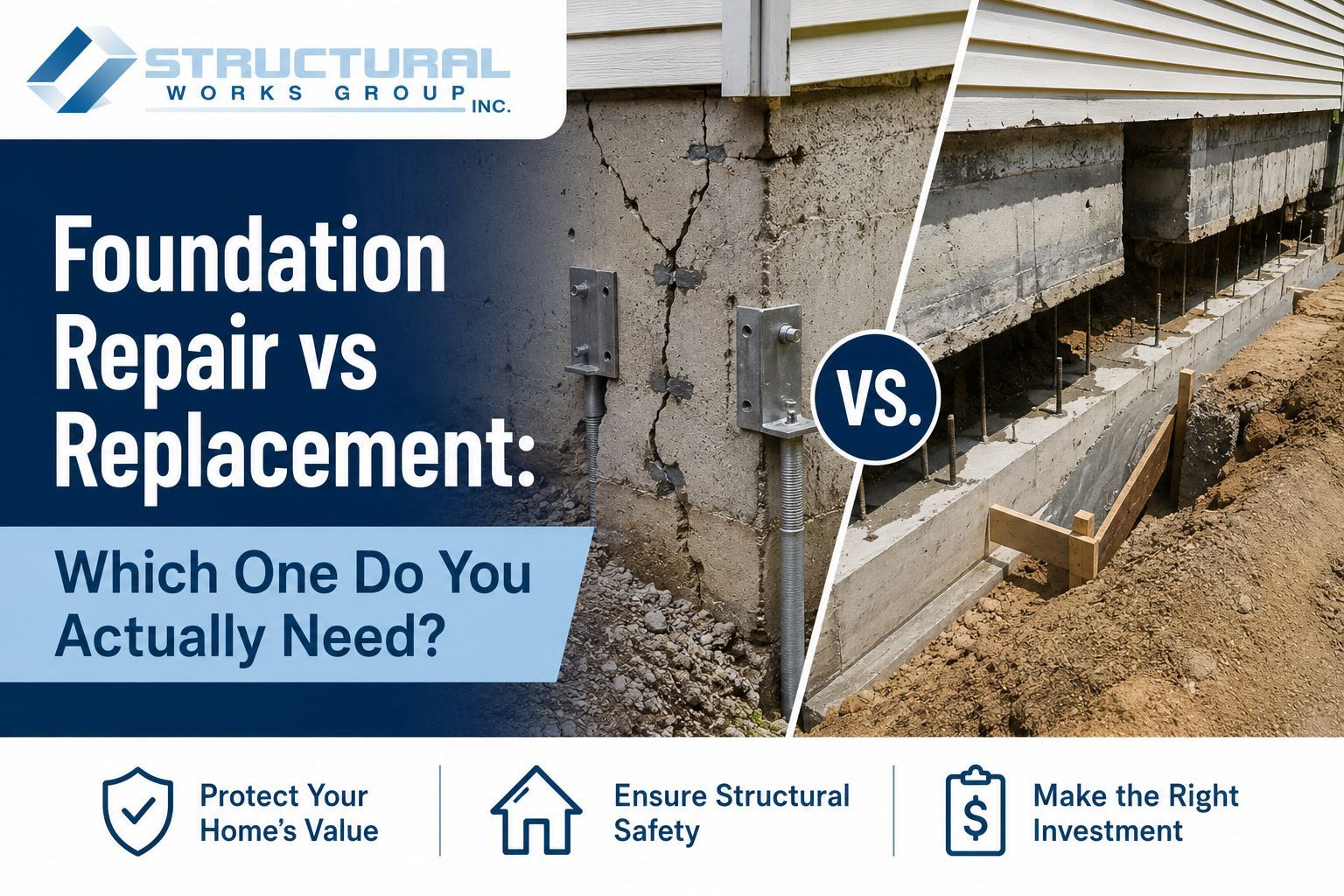
Structural repair is not a single service. It includes stabilizing foundations, reinforcing floor systems, correcting wall movement, and replacing compromised framing. In older homes, these issues typically come from:
- Long-term soil movement beneath the home
- Aging materials that no longer meet load demands
- Moisture exposure in crawlspaces or basements
- Outdated construction methods
- Previous surface-level “patch” repairs
Unlike cosmetic fixes, structural work addresses how a house carries weight and transfers loads to the ground. Every home settles. The difference is whether that settlement stabilizes or continues.
In Dallas, expansive clay soils intensify this process. Seasonal moisture changes cause the ground to swell and shrink, placing constant stress on foundations and framing. Over decades, that movement compounds.
Structural repair costs rise because contractors are correcting instability and load failure, not just fixing cracks.
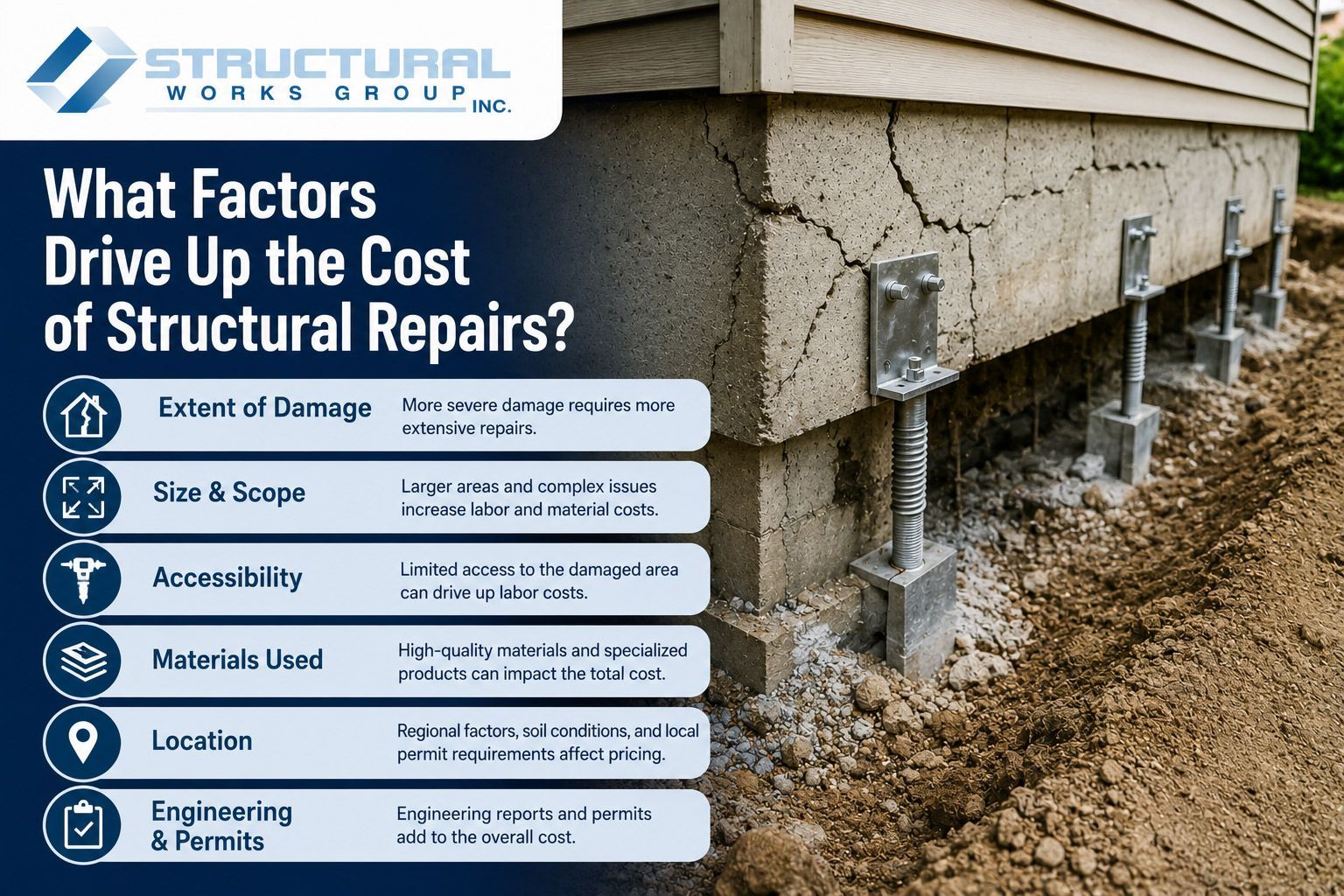
The Real Cost Drivers in Older Homes
Several connected factors determine how much a structural repair project will cost.
Severity of Movement
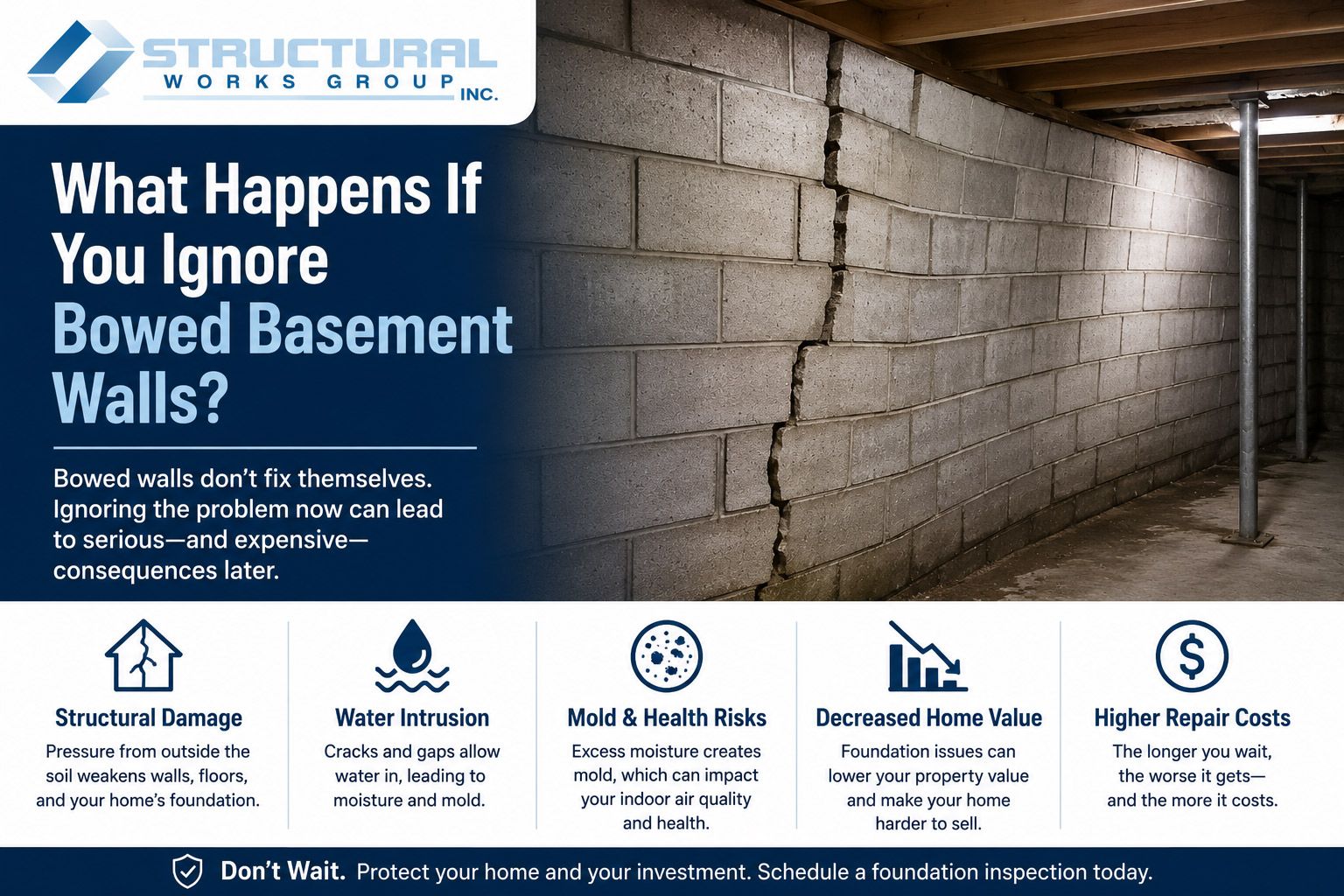
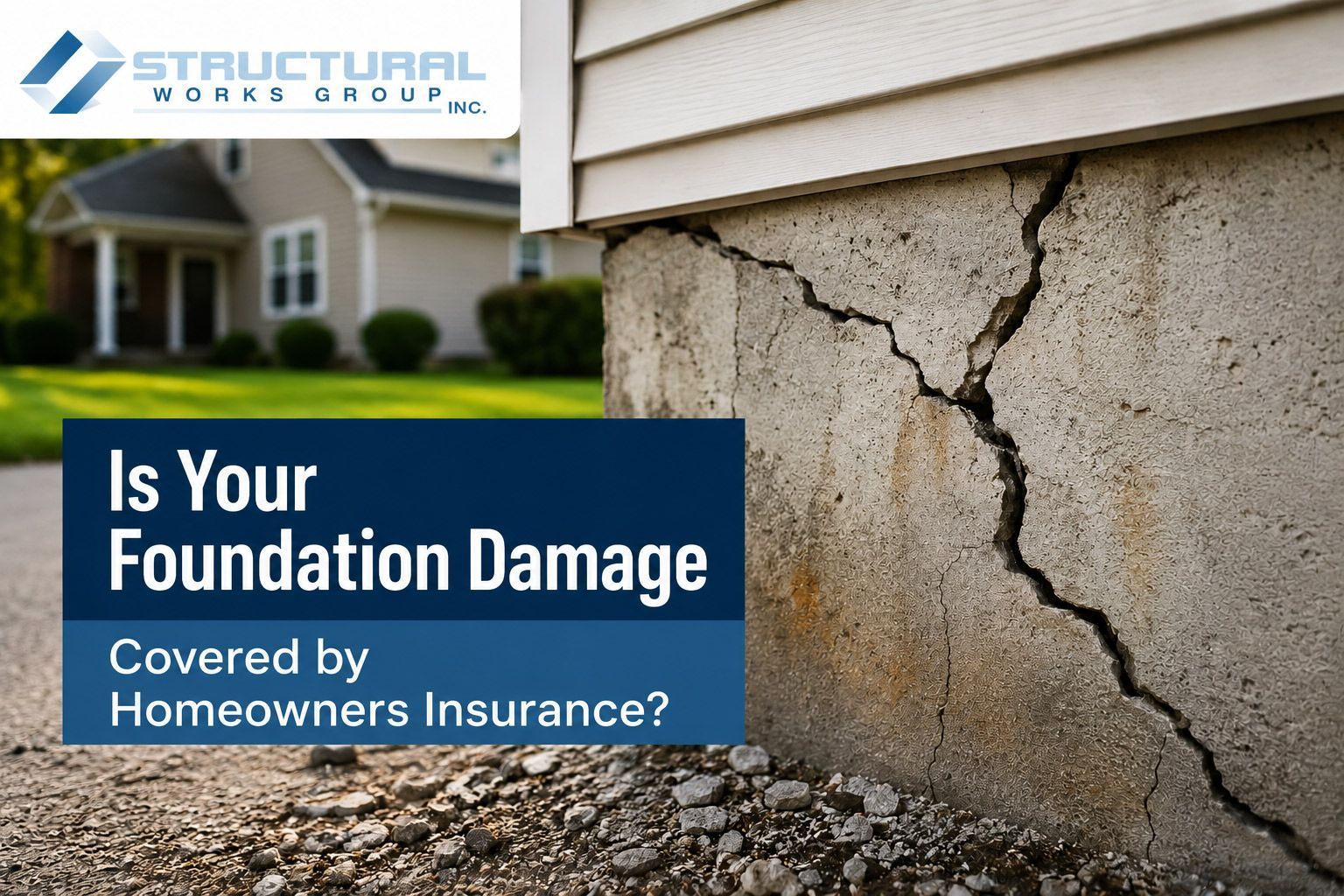
Hairline cracks or slight floor slopes often indicate early-stage movement. These may be resolved with targeted reinforcement.
Advanced movement includes:
- Doors and windows that no longer close
- Stair-step cracking in masonry
- Floors that visibly dip or bounce
- Walls that lean or separate
The more a structure has shifted, the more extensive the correction must be. Early intervention typically limits the scope and cost.
Foundation Type and Depth
Older Dallas homes may sit on:
- Pier-and-beam foundations
- Shallow concrete slabs
- Hybrid systems
Each responds differently to soil movement.
Pier-and-beam repairs often involve:
- Beam reinforcement or replacement
- New support piers
- Crawlspace leveling
Slab foundation repairs may require:
- Steel piers driven to stable soil
- Sectional lifting
- Soil stabilization
Deeper, engineered solutions require specialized equipment and labor, increasing cost.
Access and Layout
Working beneath a tightly enclosed crawlspace is very different from an open foundation area. Limited clearance requires:
- Manual excavation
- Specialized low-profile equipment
- Longer labor time
- Additional safety measures
Multi-story homes and additions complicate load paths, often requiring custom repair designs.
Moisture and Secondary Damage
Structural issues rarely stand alone. Moisture accelerates deterioration, leading to:
- Rotting joists
- Mold in crawlspaces
- Rusted metal supports
- Compromised sill plates
When moisture damage is present, repairs must address both structure and environment, expanding the project’s scope.
Age of Materials
Many older homes contain:
- Undersized beams
- Non-treated wood in damp areas
- Unreinforced masonry
Repairs often require upgrading these systems to meet modern safety standards. That means replacing, not just restoring, components.
How Costs Escalate Over Time
Structural problems are progressive. They do not correct themselves.
A small floor dip may reflect:
- Soil movement beneath a pier
- Gradual beam deflection
- Load redistribution
- Wall stress
- Roofline distortion
What starts as a localized issue spreads through the structure. Delaying repair often transforms a minor fix into a system-wide project.
Early-stage repair might involve:
- Installing a single pier
- Reinforcing a short beam section
Later-stage correction may require:
- Multiple piers
- Floor system replacement
- Wall stabilization
- Door and window realignment
Time is one of the most powerful cost multipliers in structural work.
Decision Guide: When Costs Are Likely to Rise
These conditions usually signal accelerating risk:
- Cracks that widen over time
- Floors that continue to slope
- Repeated drywall repairs in the same areas
- Water pooling near the foundation
- New gaps between walls and ceilings
When these appear together, they often indicate active movement. At this stage, repairs typically require integrated solutions rather than isolated fixes.
A professional inspection can determine whether movement is historical and stable or active and progressing.
FAQs About Structural Repair Costs
Why do similar homes receive different estimates?
Because soil conditions, movement patterns, access, and structural layouts vary. Surface similarities often hide very different underlying problems.
Is foundation repair always expensive?
Not always. Early-stage stabilization is often far less costly than full system correction.
Do cosmetic repairs reduce future costs?
No. They hide symptoms but do not stop movement, often increasing the eventual scope.
Can inspections prevent major repair costs?
Yes. Early detection allows targeted stabilization before damage spreads.
Does soil type really matter?
Yes. In Dallas, expansive clay soil is a primary driver of long-term movement and cost.
Why Older Homes Require a Different Approach
Modern homes are built with engineered systems designed for predictable loads. Older homes were constructed before soil behavior and moisture control were well understood.
Repairs often involve:
- Re-engineering load paths
- Introducing modern materials
- Correcting decades of stress
Structural repair in older homes is about restoring equilibrium, not patching visible damage.
Conclusion
The cost of structural repair in older homes is driven by time, movement, materials, and access—not just visible cracks. What looks minor today may represent years of stress beneath the surface.
Homeowners who understand these drivers can act earlier, budget realistically, avoid compounding damage, and protect long-term value.
If your home shows signs of movement, a professional evaluation is the first step toward clarity. Structural repair specialists in Dallas provide engineered solutions designed for long-term stability.
Addressing the root cause now is almost always less expensive than repairing the consequences later.