The Ultimate Guide to Structural And Foundation Repair in Charlotte, NC
December 10, 2024

Your home’s foundation and structure keep everything standing. But over time, shifting soil, moisture, and wear can cause cracks, sagging floors, and unstable walls. Ignoring these problems can lead to serious damage and expensive repairs.
If you live in Charlotte, Concord, Gastonia, Mooresville, or Shelby, you need to know how to spot early warning signs, what repair solutions work best, and why acting fast saves you money.
This guide breaks down everything you need to know about foundation repair, crawlspace fixes, home inspection repairs, and more. By the end, you'll know exactly how to protect your home, prevent bigger issues, and find the right professionals to get the job done right.
1. Understanding Structural and Foundation Issues
Your home’s structure is only as strong as its foundation. Over time, weather, soil movement, moisture, and aging materials can cause cracks, shifting, and weakening. The sooner you spot a problem, the easier and cheaper it is to fix.
1.1 Signs Your Home Needs Structural Repair
Some foundation issues are easy to miss at first. But small warning signs can quickly turn into serious damage. Look for:
- Cracks in walls or ceilings – Small hairline cracks may not be a problem, but wide or growing cracks could mean your home is shifting.
- Uneven or sagging floors – Floors that slope or feel bouncy can be a sign of a weak foundation or damaged floor joists.
- Doors and windows sticking – When doors or windows don’t open or close properly, your house may be settling unevenly.
- Gaps between walls and ceilings – If you notice separation between walls, ceilings, or floors, your home’s structure could be shifting.
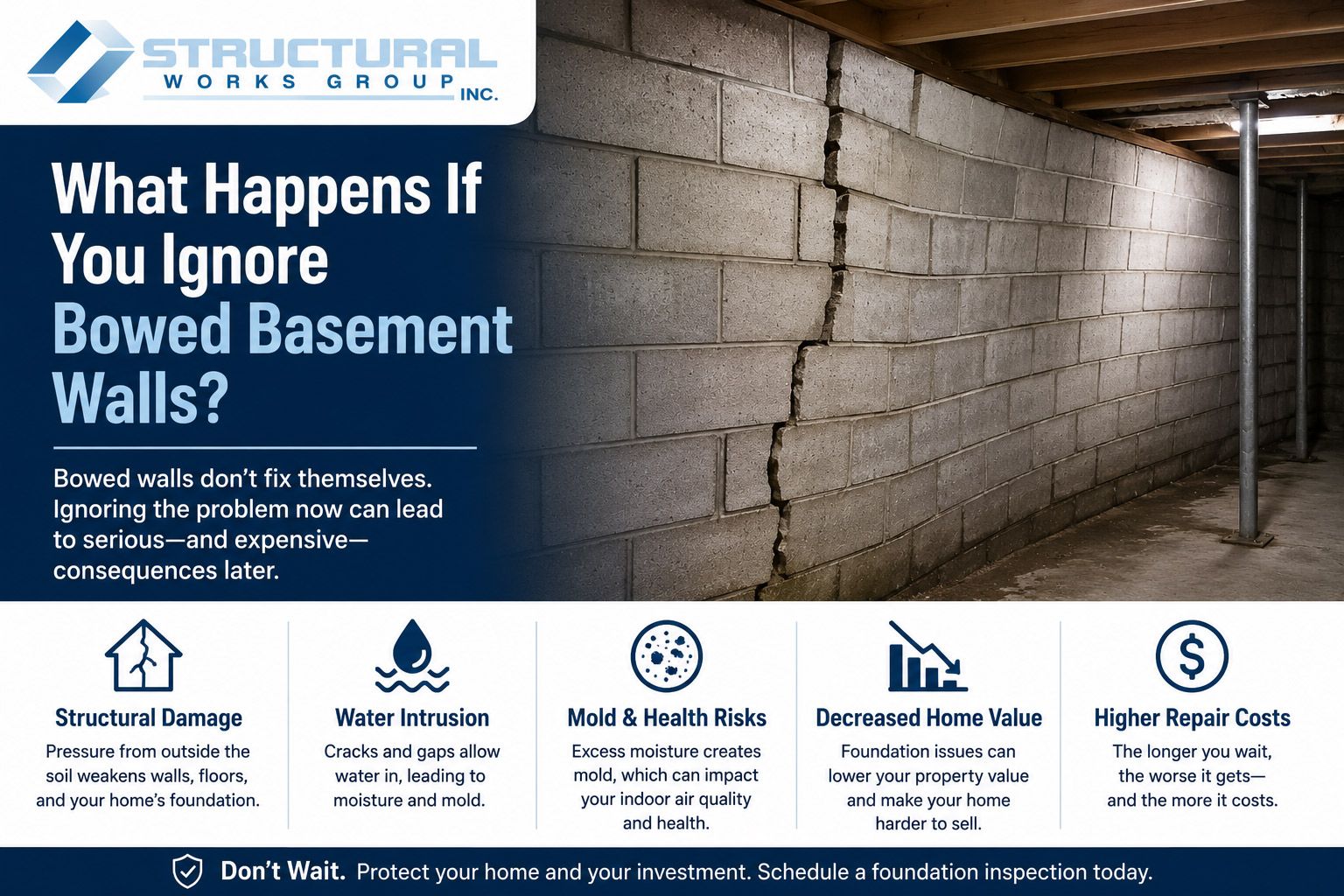
- Bowing basement walls – Walls that lean inward or bulge signal pressure from soil and moisture outside.
Ignoring these signs can lead to major repairs. If you notice any of them, a professional inspection is the best next step.
1.2 The Consequences of Ignoring Foundation Problems
Foundation issues don’t fix themselves. The longer they go unchecked, the more damage they cause.
- Lower property value – Homes with foundation problems lose value fast, making them harder to sell.
- Expensive repairs later – A small crack today could turn into a costly foundation overhaul in a few years.
- Water damage and mold – Cracks let in moisture, which leads to mold, rot, and costly interior repairs.
- Safety risks – In severe cases, structural damage can make your home unsafe to live in.
Catching problems early saves money and keeps your home safe.
2. Expert Structural Repair Solutions
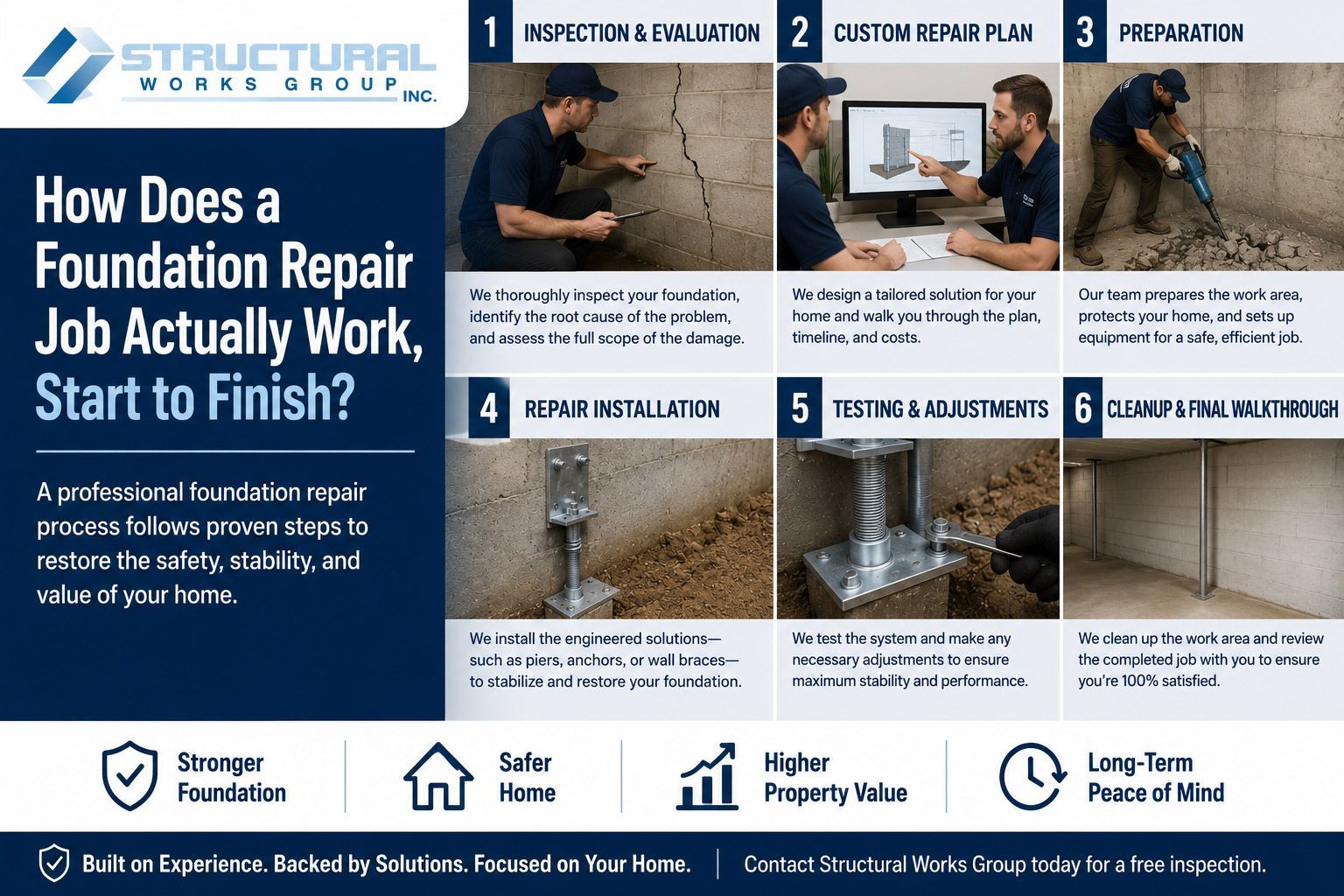
Structural issues can seem overwhelming, but the right repair methods restore stability and prevent further damage. Whether it's a failing foundation, a damaged crawlspace, or a cracked basement wall, professionals use proven techniques to reinforce your home and protect its value.
2.1 Foundation Repair: Strengthening the Core of Your Home
Your foundation holds everything together. When it weakens, your entire home is at risk. Common foundation problems in Charlotte, Concord, Gastonia, Mooresville, and Shelby include:
- Settling or sinking foundations – Often caused by shifting soil or poor drainage.
- Foundation cracks – Can be minor or a sign of major structural damage.
- Slab upheaval – When moisture causes the foundation to rise unevenly.
How Professionals Fix Foundation Issues
Experts use different methods depending on the damage:
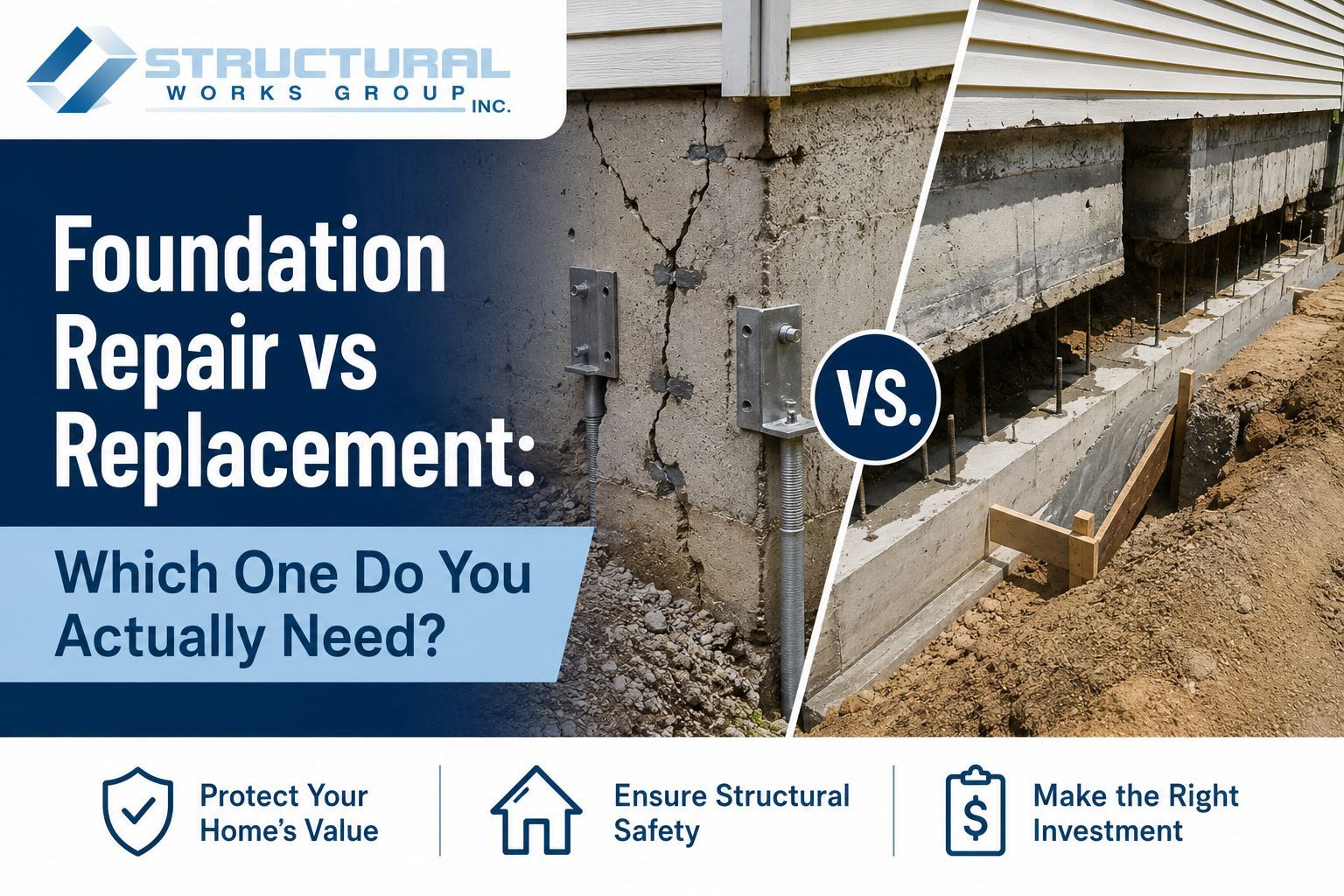
- Piering (or underpinning) – Steel or concrete piers are inserted deep into the ground to support a sinking foundation.
- Slab jacking (mudjacking or foam injection) – A specialized material is injected under the slab to lift and level it.
- Epoxy and polyurethane injections – Used to seal foundation cracks and prevent moisture intrusion.
Ignoring foundation issues only makes them worse. Early repairs prevent costly structural failures.
2.2 Crawlspace Remediation: Preventing Moisture Damage
A neglected crawlspace can lead to mold growth, pest infestations, and structural weakening. Because Charlotte and nearby areas have high humidity and heavy rainfall, crawlspace issues are common.
Signs Your Crawlspace Needs Attention
- Musty odors inside your home
- Excessive moisture or standing water
- Mold or mildew on wood beams
- Soft or rotting floorboards above the crawlspace
Effective Crawlspace Repair and Protection Methods
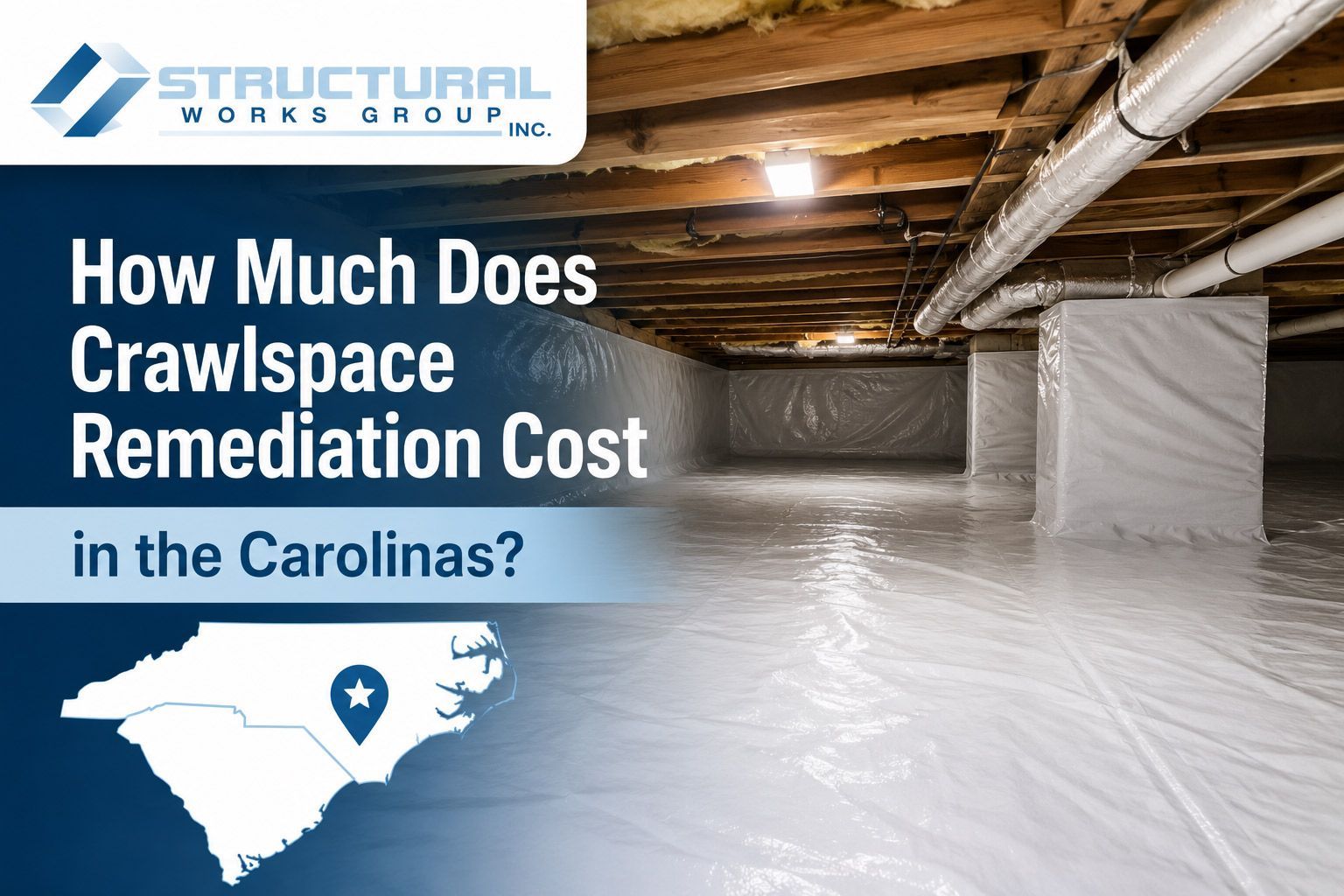
- Encapsulation – Seals off the crawlspace with a vapor barrier to block moisture.
- Dehumidifiers – Controls humidity and prevents mold growth.
- Structural reinforcement – Strengthens weakened floor joists and beams.
Crawlspace repairs improve air quality, prevent damage, and protect your home’s structure.
2.3 Basement Wall and Concrete Slab Repairs
Cracked or bowing basement walls don’t just look bad—they signal serious structural stress. Common causes include soil pressure, water infiltration, and poor drainage.
How Basement Wall Repairs Work
- Carbon fiber reinforcements – A non-invasive, strong solution to prevent bowing.
- Wall anchors – Heavy-duty anchors stabilize walls by pulling them back into position.
- Epoxy injections – Seal cracks to prevent further splitting and moisture damage.
For concrete slab issues, professionals use slab jacking, grinding, or replacement depending on the severity. Fixing these problems early prevents water damage and major structural failures.
2.4 Home Inspection Repairs: Addressing Issues Before They Escalate
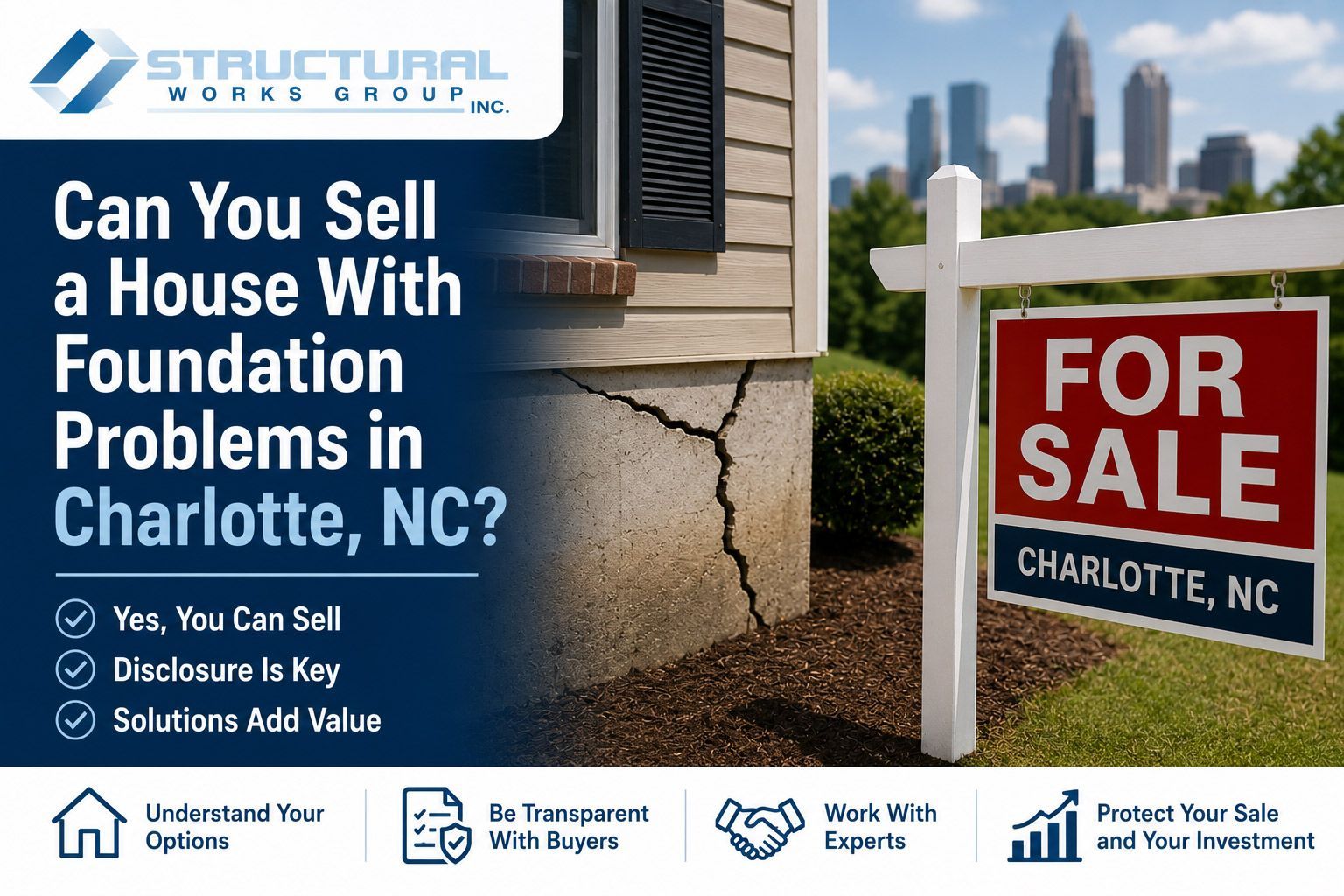
Home inspections uncover hidden structural issues that homeowners might not notice until it’s too late. If you’re buying or selling a home, getting structural repairs done before closing is crucial.
- Common Home Inspection Repairs
- Fixing foundation cracks and shifting
- Reinforcing crawlspaces and basements
- Replacing rotted wood or weakened supports
- Repairing moisture damage
Buyers and lenders often require foundation and structural repairs before approving a sale. Addressing these issues upfront helps secure deals and prevents surprises later.
3. Specialized Services for Long-Term Property Protection
Some structural problems go beyond just the foundation. Issues with wood decks, government loan requirements, and overall home stability require specialized solutions. These repairs not only fix existing damage but also protect your home from future issues.
3.1 Wood Deck Inspection and Repair
A wood deck adds value to a home, but over time, weather, moisture, and daily use take a toll. If not maintained, a deck can become unsafe.
Signs Your Deck Needs Repairs
- Rotting or splintering wood – Weakened boards can break under pressure.
- Loose or unstable railings – A major safety hazard, especially for families.
- Sagging or uneven boards – Could mean hidden structural damage.
- Rusting hardware or fasteners – Weak connections can lead to collapse.
How Professionals Repair and Reinforce Decks
- Replacing damaged or rotting boards – Prevents further deterioration.
- Reinforcing support posts and beams – Strengthens the deck’s overall stability.
- Tightening or replacing fasteners – Ensures a secure, long-lasting structure.
A well-maintained deck increases safety, boosts curb appeal, and extends its lifespan.
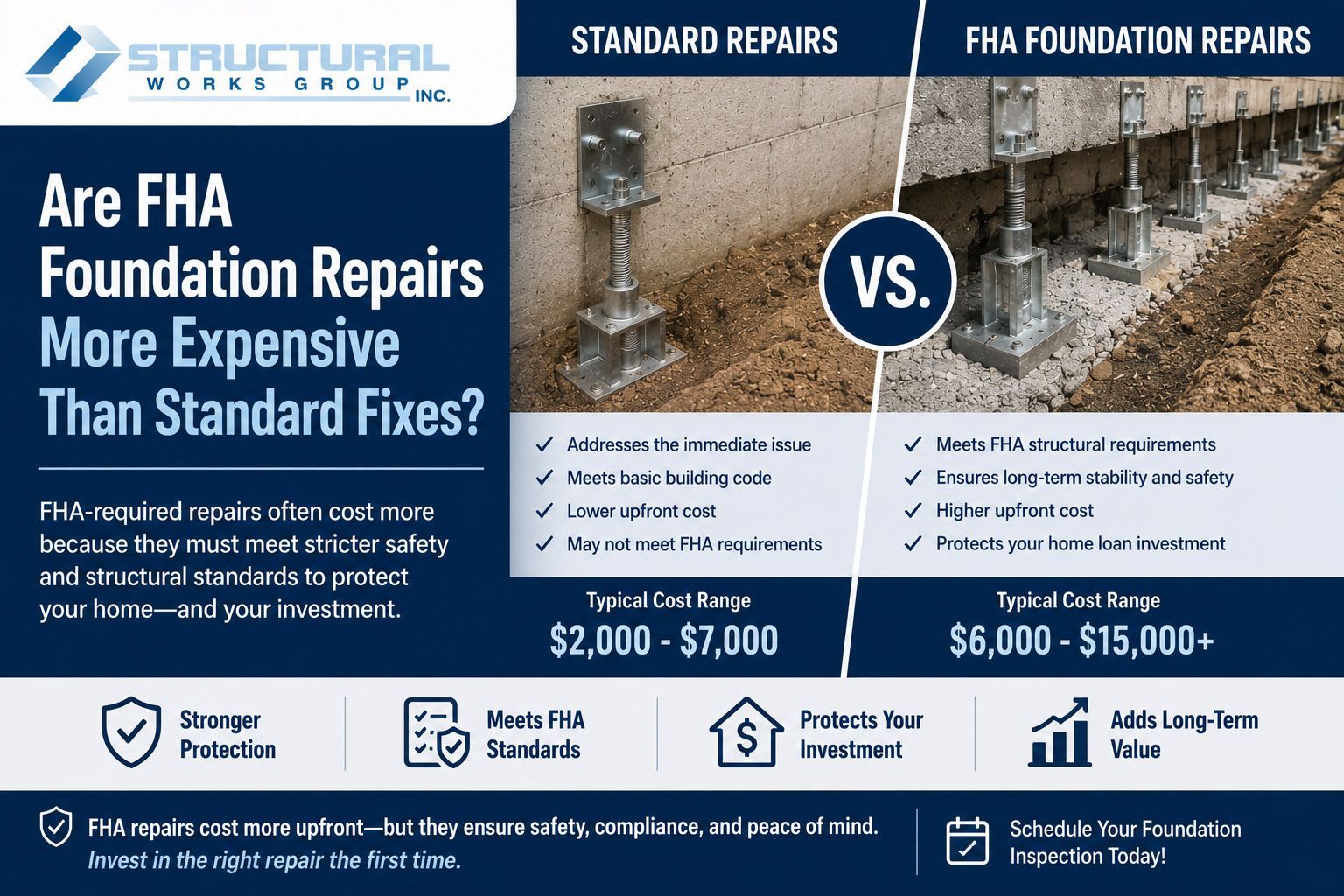
3.2 FHA, VA, and HUD Foundation Repairs
If you’re buying or selling a home using an FHA, VA, or HUD loan, the foundation must meet specific standards. These loans require homes to be structurally sound and free from major defects.
What Inspectors Look For in Government-Backed Loans
- No foundation cracks wider than ⅛ inch
- Stable, level floors without excessive sloping
- No signs of water damage or mold in crawlspaces and basements
- Secure, structurally sound decks, stairs, and porches
How to Ensure Compliance
- Foundation reinforcement – Strengthens weak or settling foundations.
- Crawlspace remediation – Fixes moisture issues that could cause long-term damage.
- Concrete slab and basement wall repair – Addresses cracks and structural weaknesses.
Meeting these repair standards prevents loan approval delays and makes home transactions smoother.
4. Why Choose a Local Expert in Charlotte & Surrounding Areas?
Choosing the right structural repair company is just as important as fixing the damage itself. Local expertise matters because soil conditions, climate, and building codes vary by region. A contractor who understands the unique challenges of homes in Charlotte, Concord, Gastonia, Mooresville, and Shelby can provide better, longer-lasting repairs.
4.1 The Advantage of Local Knowledge
Charlotte and its surrounding areas experience high humidity, heavy rains, and expansive clay soils—all of which impact your home’s foundation.
- Soil shifting and expansion – The local clay-rich soil expands when wet and shrinks when dry, putting stress on foundations.
- Frequent moisture issues – High humidity and heavy rainfall lead to basement leaks, crawlspace moisture, and wood rot.
- Temperature changes – Seasonal freezing and thawing cause concrete slabs to crack and shift.
Hiring a local contractor means working with someone who knows how to handle these conditions and can recommend the best repair methods for long-term stability.
4.2 What Sets Our Structural Repair Services Apart?
Not all structural repair companies are the same. A trusted, experienced professional provides:
- Licensed and insured services – Protects your investment and ensures high-quality work.
- Proven repair techniques – Uses industry-approved solutions like piering, slab jacking, and crawlspace encapsulation.
- Customized solutions – Tailors repairs to your home’s specific needs rather than offering one-size-fits-all fixes.
When it comes to foundation and structural repairs, cutting corners leads to bigger problems later. That’s why working with a qualified, local expert is the best way to protect your home.
Protect Your Home with Expert Structural Repairs
Foundation and structural issues don’t fix themselves—they only get worse over time. Cracks, sagging floors, water damage, and unstable decks can threaten your home’s safety and value. The good news? Early repairs save you money, prevent bigger problems, and keep your home secure for years to come.
If you’ve noticed signs of foundation trouble, don’t wait until it’s too late. Structural Works Group specializes in foundation repair, crawlspace remediation, home inspection repairs, and more. Their team of licensed professionals understands the unique challenges homes in Charlotte, Concord, Gastonia, Mooresville, and Shelby face and provides solutions designed for long-term stability.
📞 Schedule a free inspection today and get expert advice on the best repair options for your home. Contact Structural Works Group now to protect your investment and restore your home’s strength.