Post-Inspection Repairs: What Gastonia Buyers Should Budget For
September 19, 2025
Introduction
Buying a home in Gastonia can be exciting—but it often comes with surprises once the home inspection report arrives. From minor fixes to major structural concerns, post-inspection repairs can significantly influence your final budget and negotiation strategy.
Many Gastonia buyers underestimate the true cost of these repairs, especially when structural issues are involved. Knowing what to expect, how to prioritize, and when to bring in experts can help you avoid financial stress after closing.
This article explains the most common post-inspection repairs in Gastonia homes, how to assess their severity, and what costs to plan for before signing on the dotted line.
Common Post-Inspection Repairs in Gastonia Homes
Why Structural Issues Are Common in Gastonia
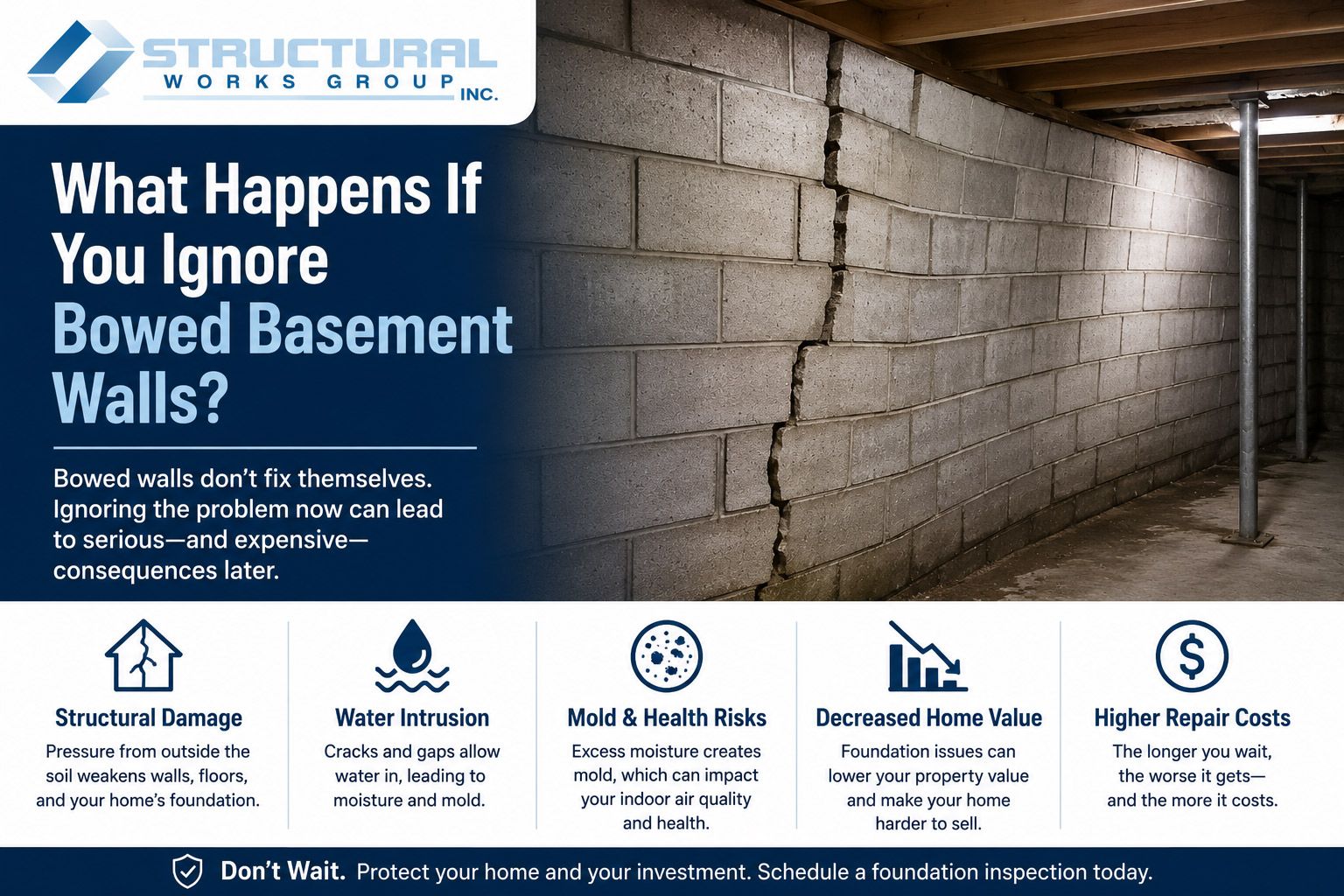
Gastonia’s climate and soil composition make it a hotspot for foundation and structural wear. The region’s red clay soil expands when wet and contracts when dry, creating movement beneath homes. Over time, this leads to uneven settling, cracks, and water intrusion—issues frequently revealed during home inspections.
In addition, many older Gastonia properties feature crawlspaces and wood-framed structures, which are more vulnerable to humidity, moisture buildup, and wood rot. These environmental factors, combined with age, often lead to inspection findings that require professional attention.
The Most Frequent Repair Categories
After an inspection, Gastonia buyers typically face a combination of cosmetic, mechanical, and structural concerns. While some are minor, others can affect a home’s safety or resale value.
Here are the most common repair areas to expect:
- Foundation cracks and settling: Often caused by soil movement or poor drainage.
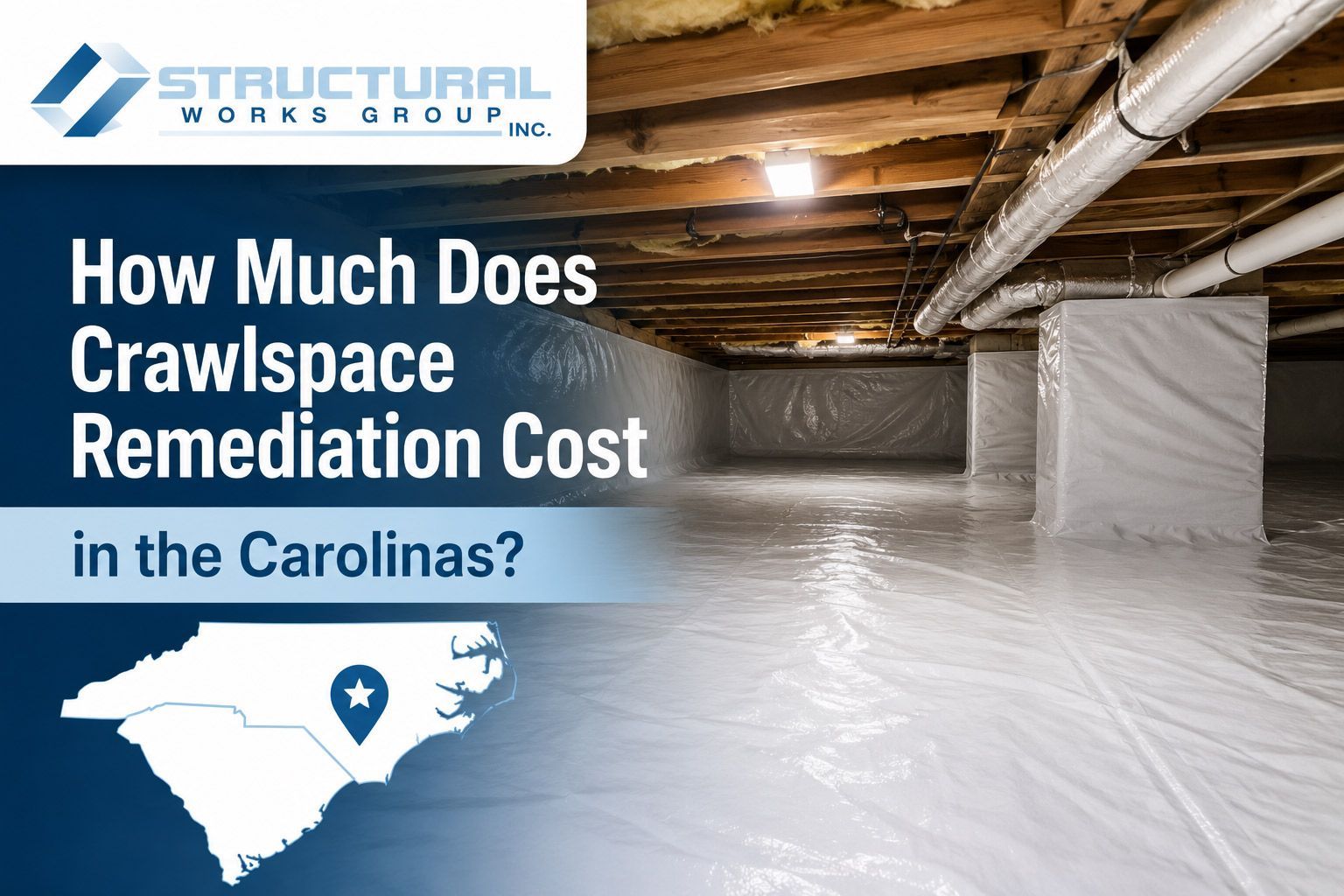
- Crawlspace moisture and mold: Persistent humidity that weakens structural framing.
- Rotten wood or termite damage: Common in floor joists and beams.
- Basement water intrusion: Indicated by damp walls or efflorescence.
- Roof and gutter problems: Leading to leaks that contribute to foundation stress.
- Plumbing leaks and poor drainage: Hidden causes of soil erosion and interior damage.
While not all findings are severe, buyers should treat structural and moisture-related issues as top priorities when budgeting for repairs.
Planning and Budgeting for Post-Inspection Repairs
Step 1: Review the Inspection Report in Detail
Begin by separating “cosmetic” items from “structural” ones. Small issues like chipped paint or loose hardware can wait. Larger problems—such as cracks in foundation walls or water in the crawlspace—require immediate attention.
Look for specific wording in the report that signals risk, including phrases like “structural concern,” “possible movement,” or “further evaluation recommended.” These indicate that an expert inspection, such as from a structural repair specialist, is necessary before finalizing your offer.
Step 2: Get Specialized Repair Estimates
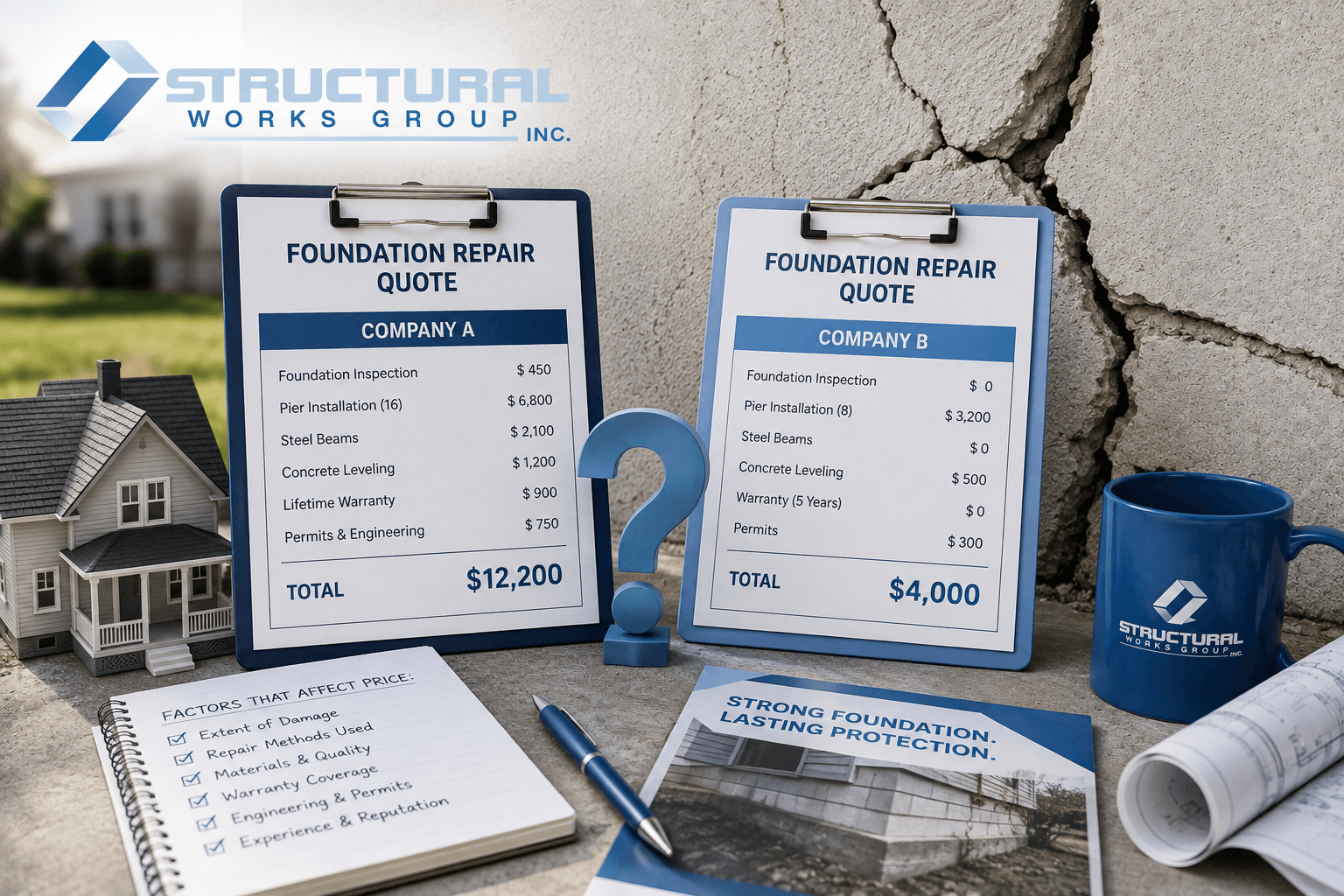
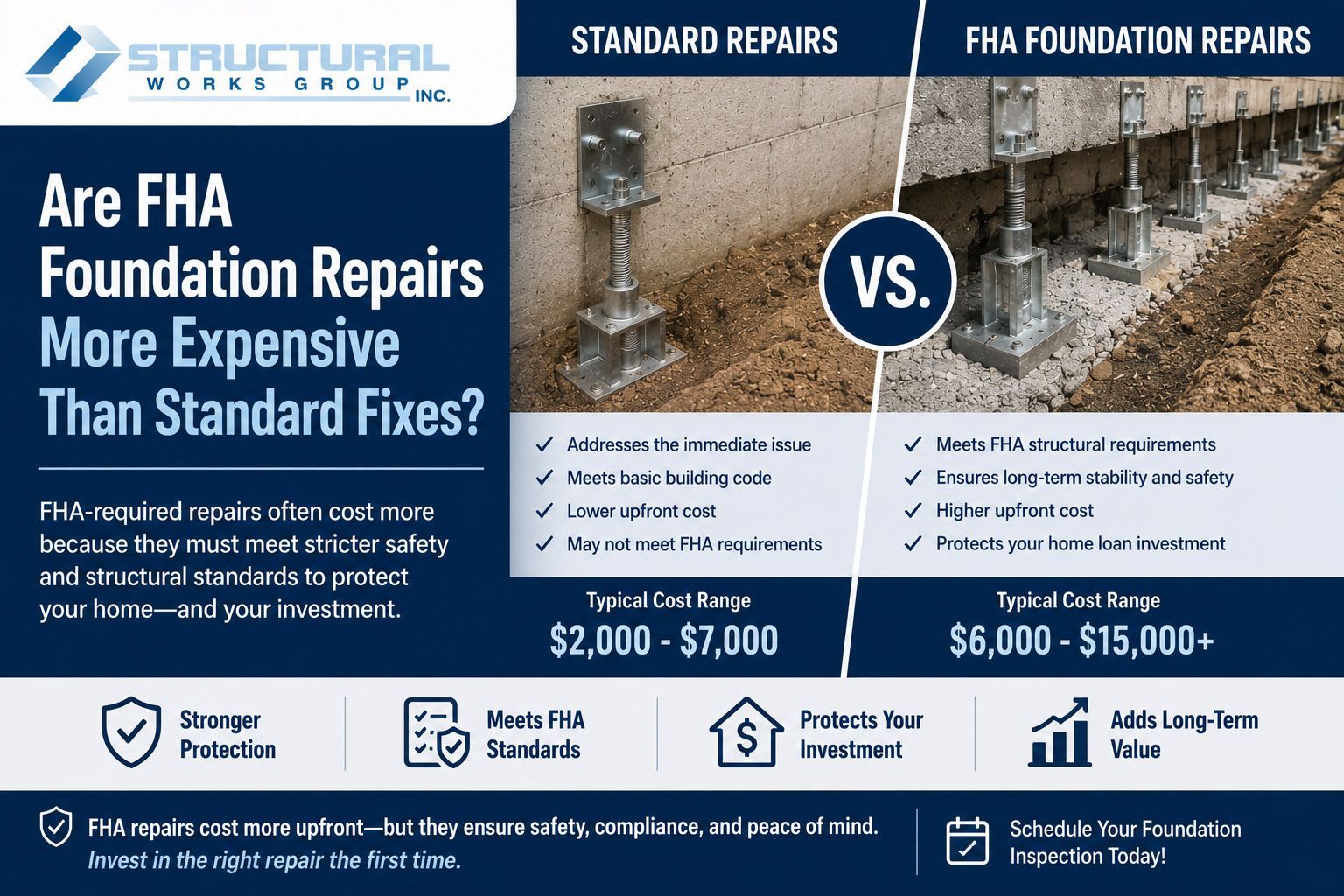
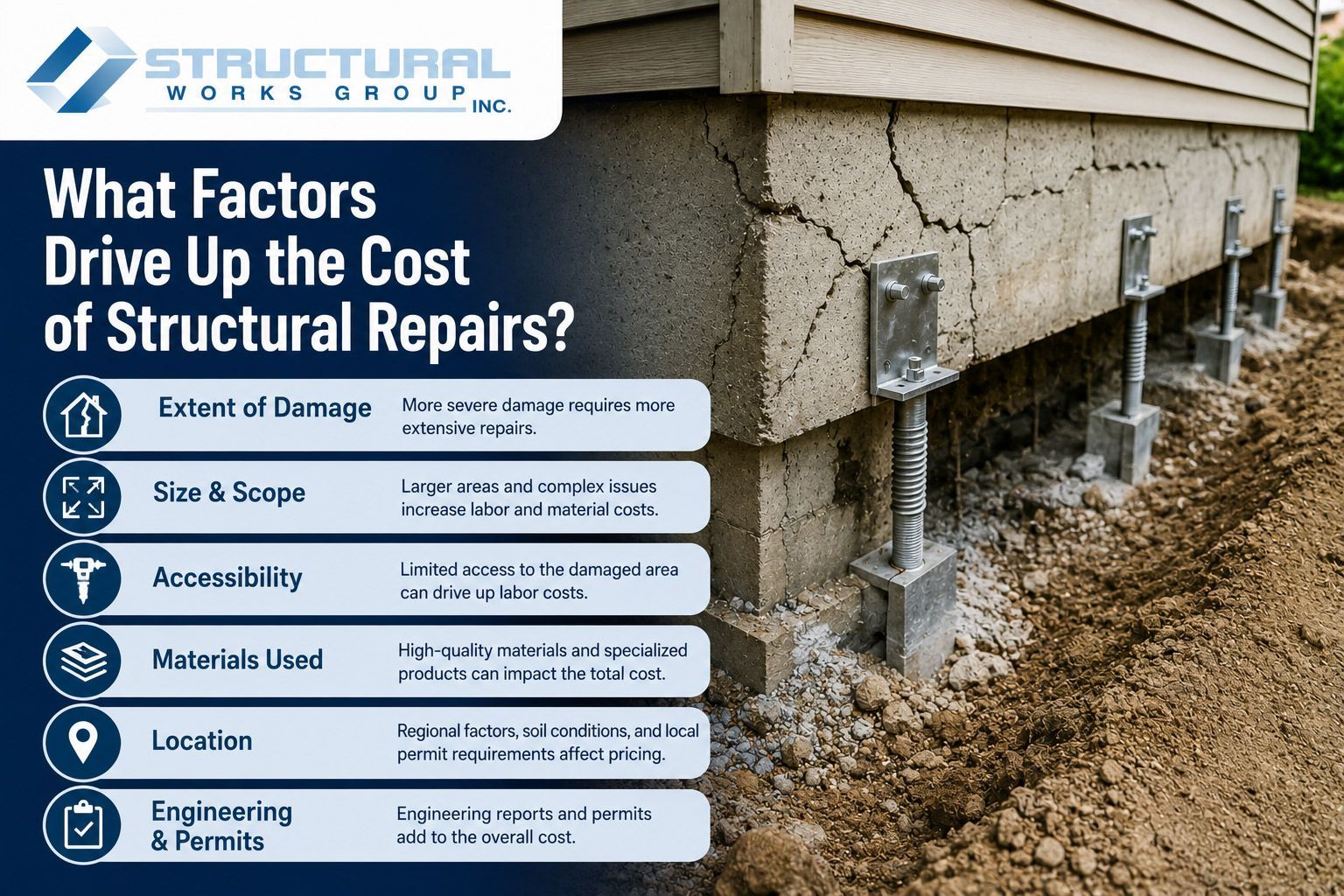
Once serious issues are identified, bring in licensed professionals for accurate repair quotes. Foundation or structural repairs can vary widely in cost depending on the type of damage. Getting a local expert familiar with Gastonia’s soil and building conditions ensures that repair recommendations are appropriate and realistic.
Step 3: Negotiate With the Seller
Most post-inspection negotiations fall into three categories:
- Seller repairs: The seller agrees to fix certain issues before closing.
- Price reduction: The buyer receives a credit to handle repairs after purchase.
- Repair allowance: The seller provides a lump-sum concession at closing.
Knowing estimated repair costs allows you to negotiate fairly and avoid unexpected expenses once you move in.
Step 4: Prioritize Essential Structural Work
Some issues can safely wait, while others must be addressed immediately to prevent further damage. In Gastonia’s humid climate, moisture and foundation problems worsen quickly if ignored. Prioritize:
- Crawlspace encapsulation and dehumidification
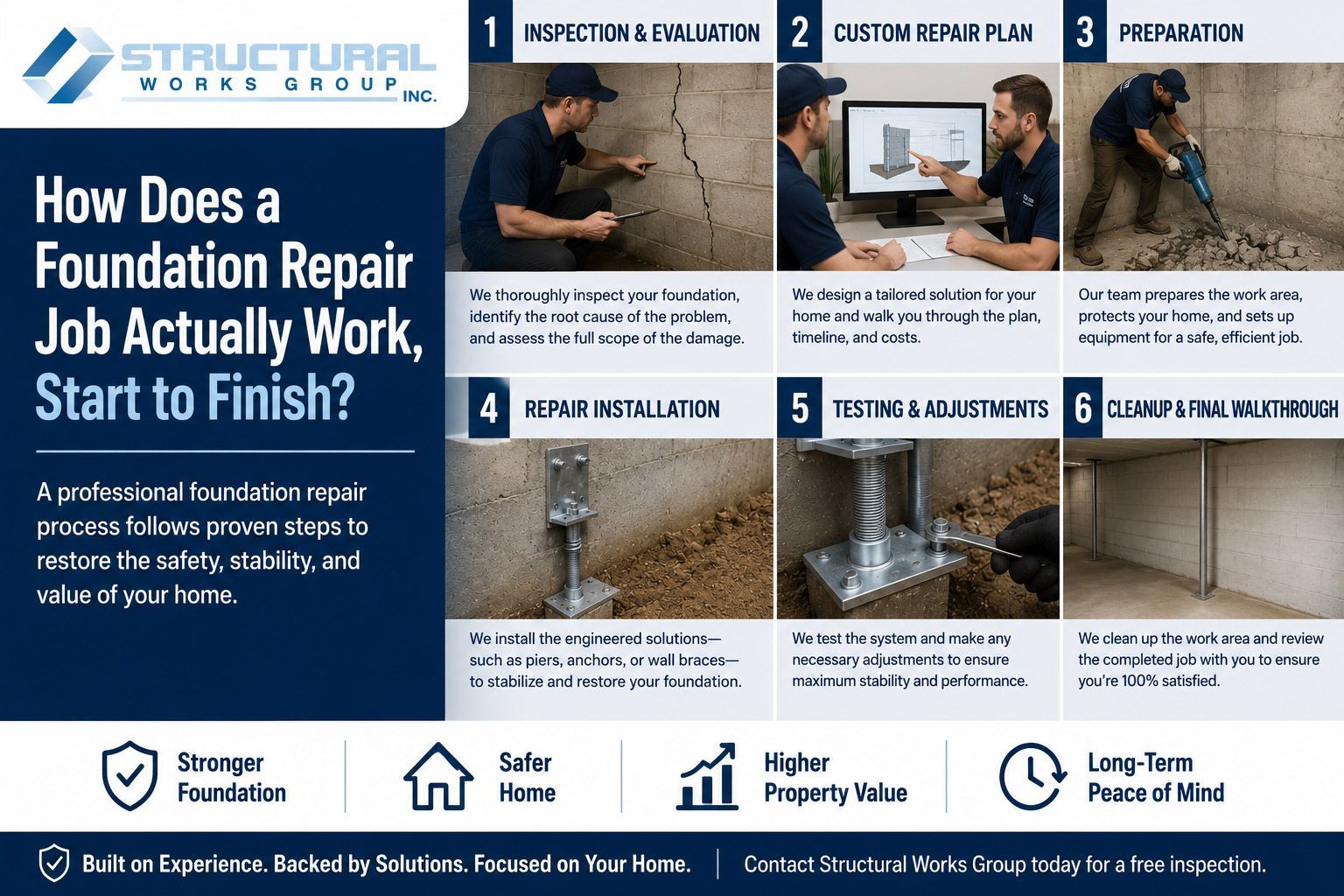
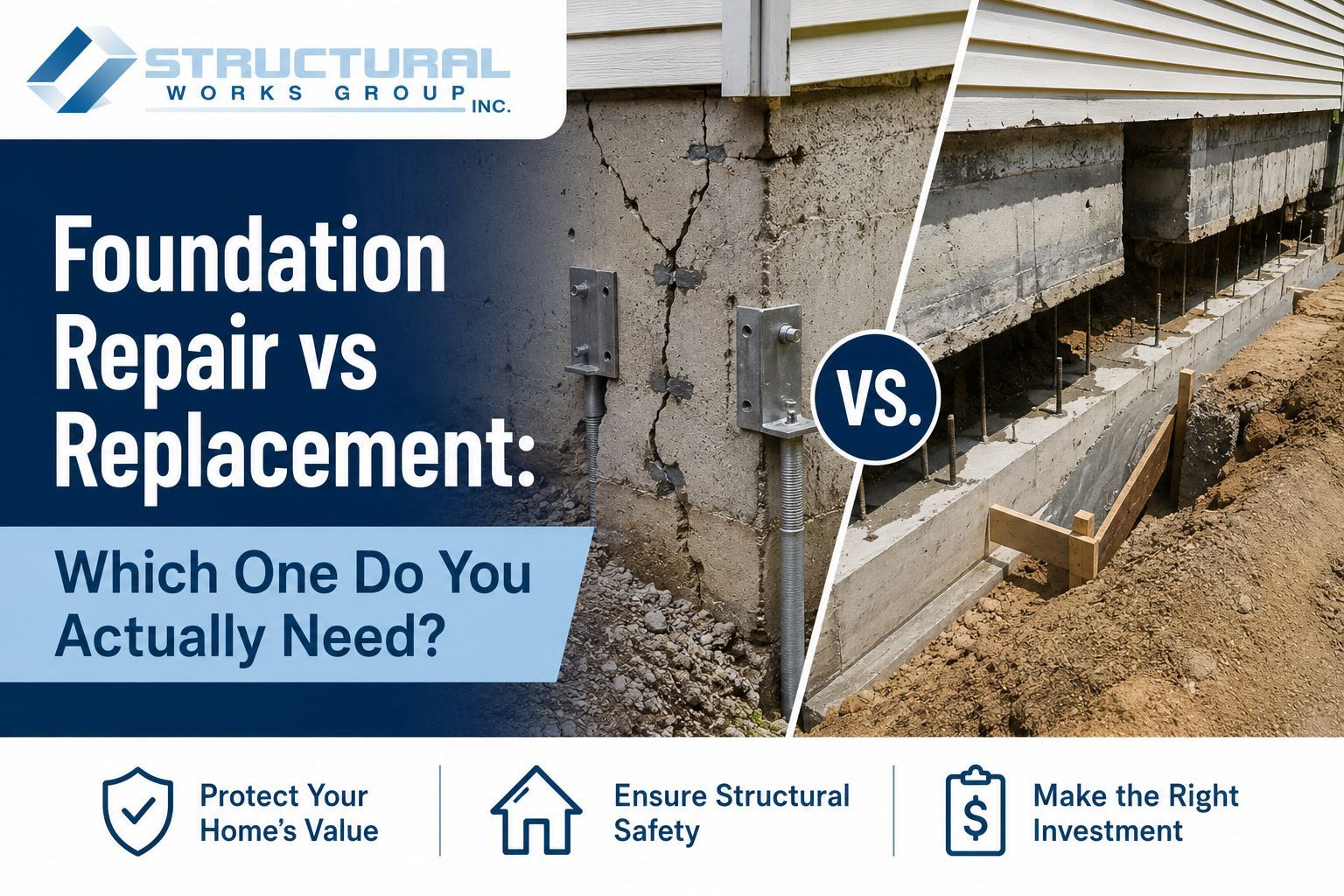
- Foundation stabilization or piering
- Structural beam or joist replacement
- Drainage and grading improvements
These repairs not only protect your investment but also improve long-term home health and resale potential.
Step 5: Plan for Preventive Maintenance
Once repairs are complete, ongoing maintenance ensures your home remains structurally sound. Maintain consistent soil moisture, clean gutters, and inspect your foundation after heavy rain. Proactive care reduces the likelihood of another costly repair cycle later.
FAQs About Post-Inspection Repairs
What are the most expensive inspection-related repairs in Gastonia?
Foundation stabilization and crawlspace encapsulation tend to be among the costliest but also the most critical. Roof replacement and major plumbing repairs may also fall into higher price ranges.
Can I back out of a purchase after a bad inspection?
Yes, if your contract includes an inspection contingency. It allows you to renegotiate or withdraw from the deal based on repair findings.
Should I hire my own structural engineer after the inspection?
If your inspector flags foundation cracks, sagging floors, or water intrusion, it’s wise to bring in a structural expert for a detailed assessment and repair plan.
How much should I budget for post-inspection repairs?
While every home is different, setting aside one to three percent of the home’s purchase price for repairs is a good rule of thumb—more if the inspection reveals structural or moisture-related issues.
Do sellers in Gastonia have to fix everything found in an inspection?
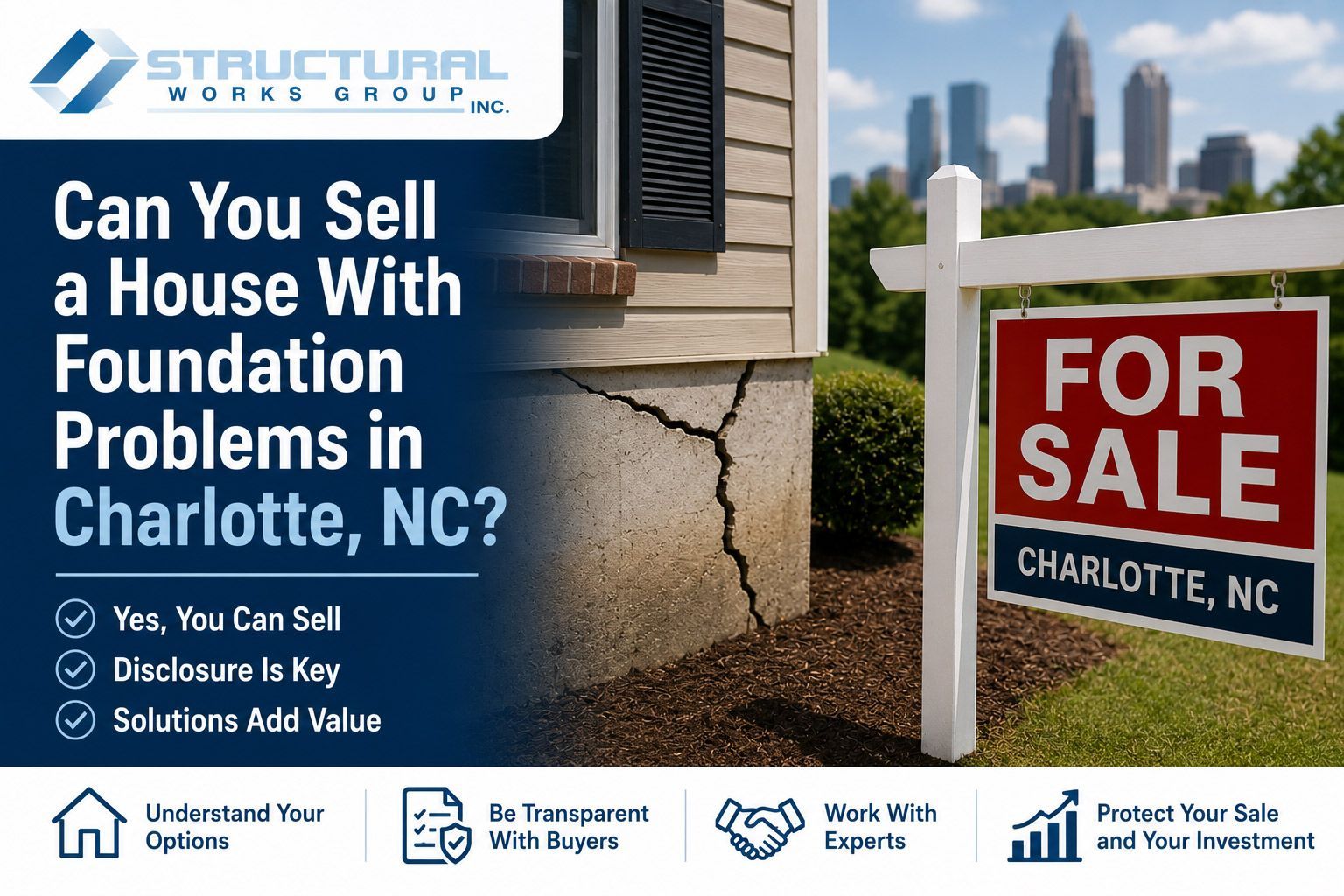
No, sellers aren’t legally required to fix every item, but serious structural or safety issues often become negotiation points to ensure the sale proceeds smoothly.
Local Insights: Why Gastonia Buyers Should Pay Attention
Gastonia’s blend of historic homes and expanding neighborhoods means buyers encounter a range of structural conditions. Older homes near downtown may reveal aged wood framing or deteriorating crawlspaces, while newer developments sometimes show early settling from unbalanced grading.
Given the region’s fluctuating weather and clay-heavy soil, even small foundation or moisture problems can worsen rapidly. Working with a local repair company familiar with Gastonia’s environment helps ensure accurate inspections and long-term solutions that preserve both safety and property value.
Conclusion
Home inspections are designed to reveal the truth—and sometimes that truth includes hidden repairs that impact your budget. For buyers in Gastonia, understanding which repairs are essential, how to estimate costs, and when to call in a structural expert can make all the difference in a successful purchase.
Post-inspection findings aren’t deal-breakers; they’re opportunities to make informed decisions and protect your investment. By budgeting wisely and addressing foundation or moisture issues early, you’ll move into your new Gastonia home with confidence and peace of mind.
Structural Works, serving the Gastonia and greater Charlotte area, specializes in structural evaluations, foundation stabilization, and crawlspace remediation. Their local expertise ensures every repair plan aligns with North Carolina’s unique soil and climate conditions for lasting results.