Why Mooresville Homeowners Should Prioritize Crawlspace Moisture Control
September 8, 2025
Introduction
Mooresville, North Carolina, is known for its scenic lakefront living, mild climate, and charming homes—but it also faces a common hidden issue beneath the surface: moisture accumulation in crawlspaces.
Many homeowners assume a crawlspace is “out of sight, out of mind.” However, unchecked moisture can lead to mold growth, wood rot, poor indoor air quality, and even structural damage over time. In Mooresville’s humid environment, this isn’t a rare problem—it’s a predictable one.
This article breaks down why crawlspace moisture control is essential for Mooresville homeowners, how it protects your home’s structure and health, and the best methods to prevent long-term damage.
Understanding Crawlspace Moisture in Mooresville
Why Crawlspaces Are Vulnerable
Most homes in Mooresville are built with crawlspaces rather than full basements, primarily due to the region’s soil type and fluctuating groundwater levels. Unfortunately, these spaces are highly susceptible to moisture for several reasons:
- High humidity levels: Mooresville’s proximity to Lake Norman and the Catawba River contributes to year-round humidity.
- Poor ventilation: Traditional vented crawlspaces allow humid air to enter, condense, and stay trapped.
- Drainage issues: Inadequate grading or downspout placement often channels rainwater toward the foundation.
- Unsealed soil floors: Exposed earth releases ground moisture directly into the crawlspace.
Over time, trapped humidity in these conditions doesn’t just create a musty smell—it starts to impact your home’s structural integrity.
The Hidden Dangers of Excess Moisture
When moisture levels in a crawlspace stay elevated, several issues can develop:
- Wood rot and framing decay: The wooden support structures can weaken, leading to sagging floors.
- Mold and mildew growth: These thrive in dark, damp environments and release airborne spores.
- Pest infestations: Termites and other insects are drawn to moisture and soft wood.
- Reduced air quality: Nearly half of the air inside your home originates from the crawlspace, spreading allergens and odors.
- Energy inefficiency: Humid air increases the strain on HVAC systems, raising utility bills.
The combination of North Carolina’s humidity and seasonal rainfall makes Mooresville homes particularly vulnerable without preventive moisture control.
Moisture Control Methods and Best Practices
Step 1: Identify the Source of Moisture
Before any solution can work, the source must be identified. This may include surface water drainage, groundwater seepage, plumbing leaks, or airborne humidity. A detailed inspection helps determine whether the problem originates from poor grading, a broken vapor barrier, or missing insulation.
Step 2: Improve Drainage and Grading
Ensuring that rainwater flows away from your foundation is one of the most effective ways to prevent crawlspace flooding. Redirect downspouts, adjust soil grading, and install French drains if necessary. Consistent water management outside reduces moisture buildup inside.
Step 3: Encapsulate the Crawlspace
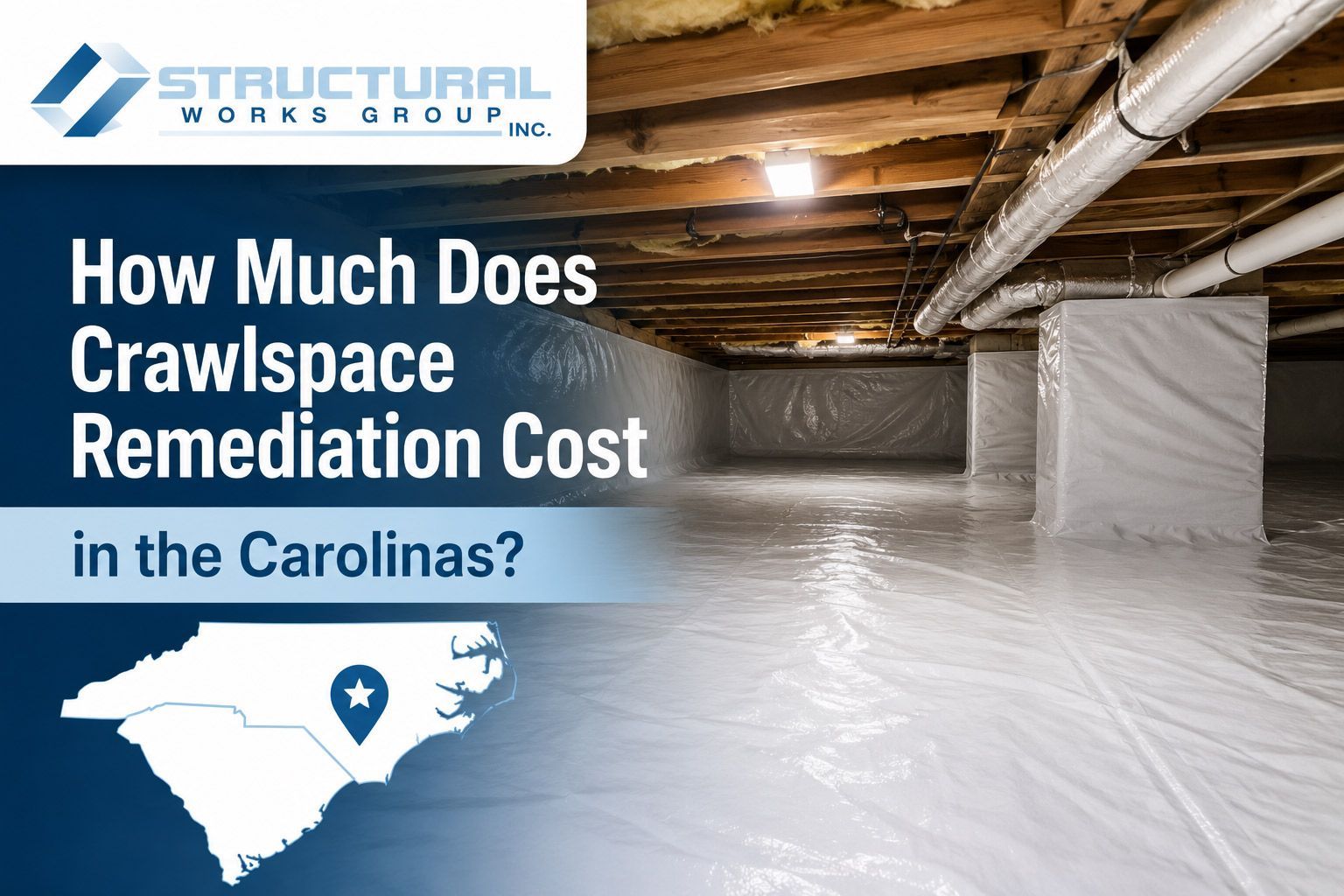
Encapsulation is one of the most reliable long-term moisture solutions. It involves sealing the crawlspace with a durable vapor barrier across the floor and walls, then conditioning the air inside to prevent condensation. This creates a controlled environment that protects against mold, pests, and humidity-related damage.
Step 4: Install a Dehumidifier
Once sealed, maintaining a consistent humidity level—typically around 50%—is essential. A crawlspace dehumidifier helps regulate this balance and prevents moisture rebound. This equipment runs quietly and automatically, keeping the space dry year-round.
Step 5: Repair or Reinforce Structural Components
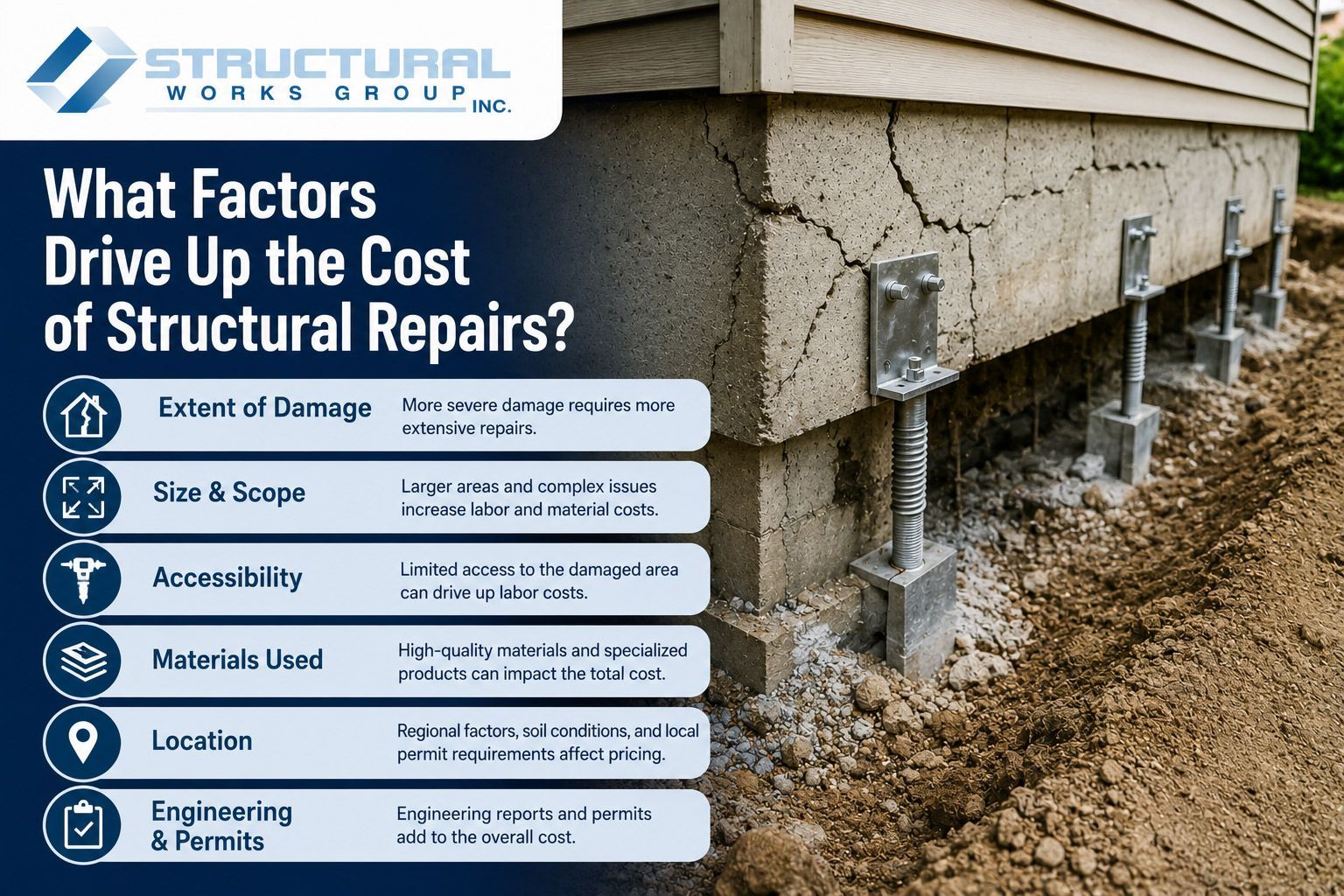
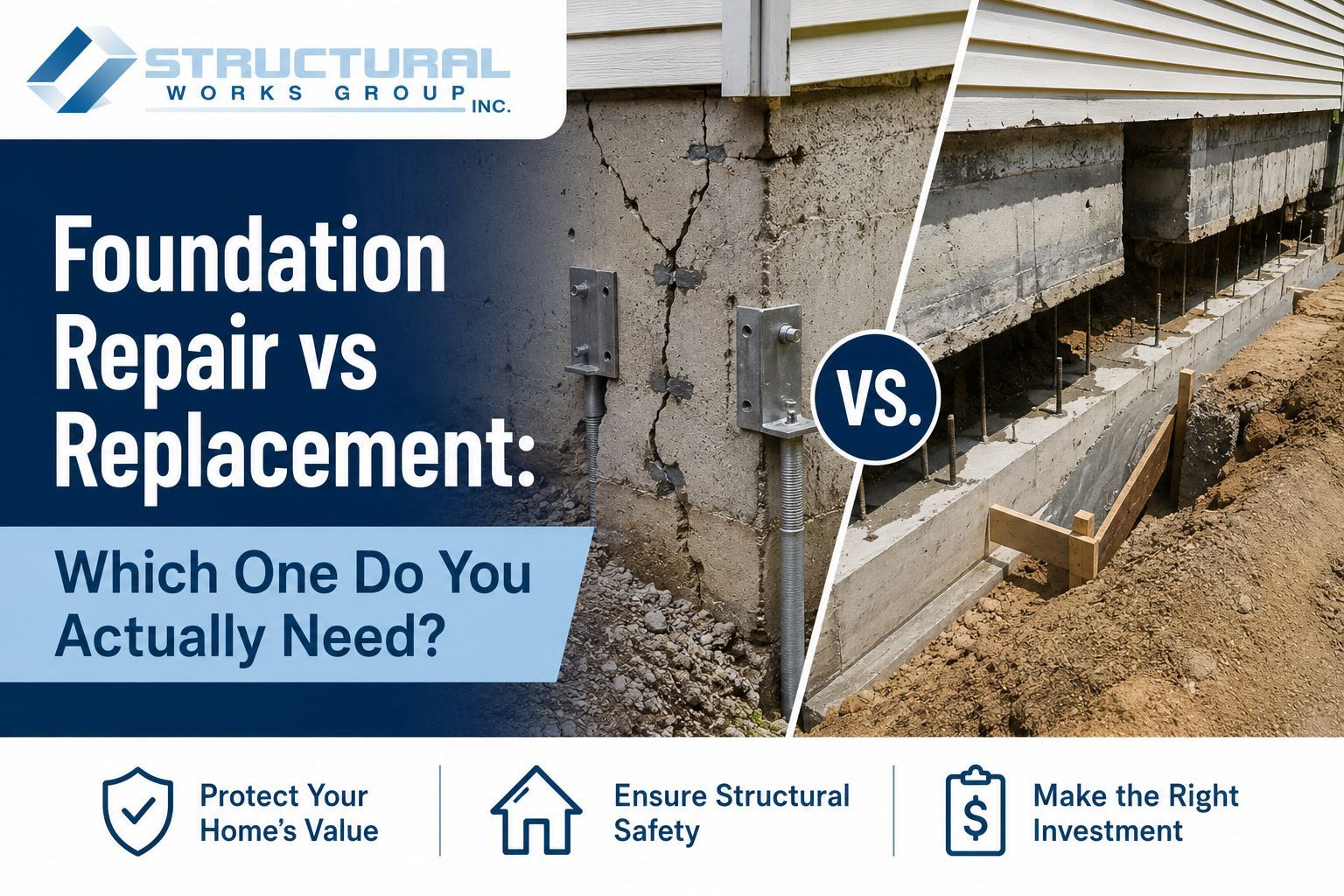
If damage has already occurred, structural reinforcements may be needed. Replacing rotted wood beams, stabilizing piers, or addressing settlement issues ensures that the crawlspace remains strong and safe after moisture control measures are installed.
FAQs About Crawlspace Moisture Control in Mooresville
How can I tell if my crawlspace has a moisture problem?
Signs include musty odors, condensation on HVAC ducts, soft or sagging floors, visible mold, or pest activity. Annual inspections can catch these early before major damage develops.
Is encapsulation really necessary in Mooresville?
Yes. The humid climate makes encapsulation a practical long-term investment. It prevents recurring mold and wood decay that are otherwise inevitable in vented crawlspaces.
Will a vapor barrier alone solve the issue?
Not always. While vapor barriers help, without sealing vents, managing drainage, and controlling humidity, moisture can still infiltrate. Encapsulation provides comprehensive protection.
How much does crawlspace moisture control cost?
Costs vary depending on size, condition, and chosen materials, but prevention is always less expensive than repairing structural damage later.
Can moisture in the crawlspace affect my home’s value?
Absolutely. Moisture issues can reduce appraisal value and deter buyers during inspections. Proper control demonstrates proactive home maintenance and boosts buyer confidence.
Local Insights: Why Moisture Control Matters in Mooresville
Mooresville’s lake proximity and clay-heavy soil make it prone to high ground moisture and humidity retention. Even in newer subdivisions, crawlspace dampness is a leading cause of premature floor settling and structural shifts.
Homes closer to Lake Norman often experience fluctuating groundwater levels during rainy seasons, increasing hydrostatic pressure on foundations. Proper moisture control is not just a comfort upgrade—it’s a critical structural defense for maintaining your home’s longevity and indoor air quality.
Conclusion
Ignoring crawlspace moisture may seem harmless at first, but over time, it can lead to expensive structural repairs, unhealthy air, and declining property value. Proactive prevention through drainage correction, encapsulation, and humidity control keeps your Mooresville home stable, safe, and energy-efficient.
Structural Works, serving Mooresville and the greater Charlotte area, provides specialized solutions for moisture management and crawlspace repair. Their expertise in local soil and climate conditions ensures that homeowners get lasting results tailored to their property’s unique needs.